hotelvak.eu
EN

Platform on hotelmanagement, interiordesign and design in the Netherlands
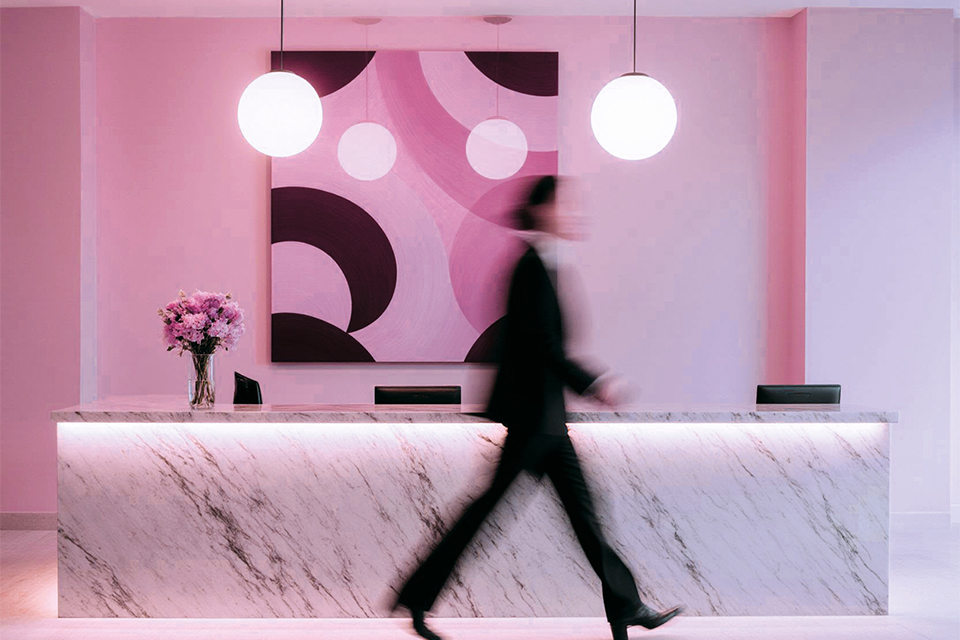
The pressure on the hospitality market is increasing. Large chains are professionalising their branding, while guests are becoming more discerning and sharing their experiences faster. In that playing field, brand strategy is increasingly used as the foundation of the overall guest experience. For Mocha Branding & Identity, this prompted them to broaden their role: from executive branding agency to strategic advisor at the intersection of brand, guest and operation.
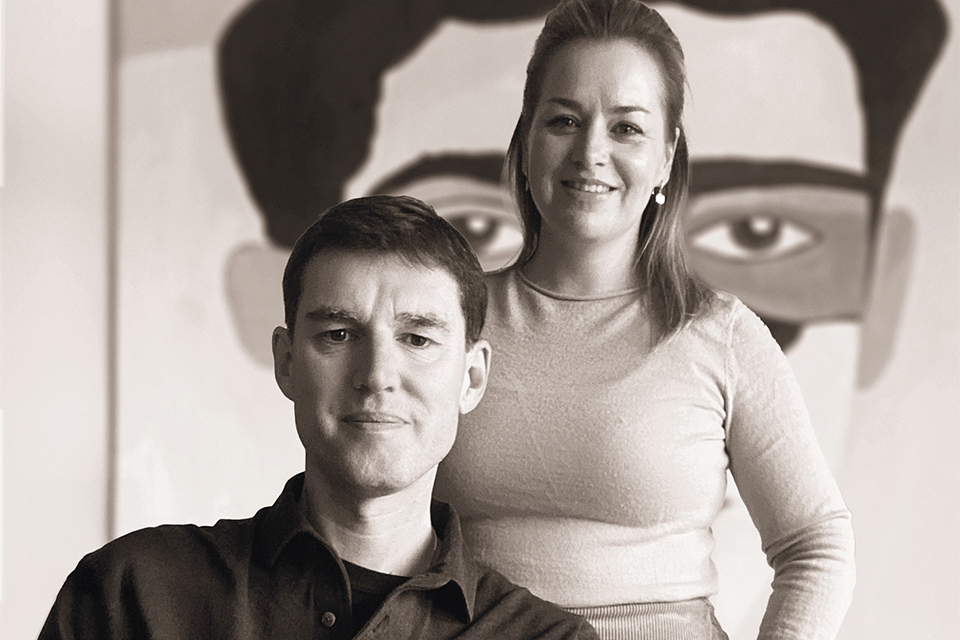
“We have been around in the hospitality industry for a while and therefore quickly recognised recurring problems,” says Maurits van Bokhoven. “We saw the same patterns emerging again and again. We wanted to do something structural with that.” According to Linda de Kleijne, executive work has always required a strategic basis, but the bigger picture of the guest experience often appeared underexposed. “That is why we have now made a clear dichotomy: executive and advisory. With more attention to the overall picture.”
According to Mocha Branding, not only the competition is changing, but also the guest's outlook. “Competition from big brands is getting tougher for independent hotels,” De Kleijne argues. “At the same time, guest knowledge has increased. They look more critically at the overall experience and register faster when something is not right. Moreover, that is shared immediately.” This development makes hotels more vulnerable: an inconsistent experience can more quickly lead to a negative rating.
That experience, according to Mocha, has long since ceased to be limited to the stay itself. “Guests need, in most cases, to see something of a hotel several times before they book,” says De Kleijne. “During that longer orientation phase, an image is already forming, including through social media. After that, the live experience has to deliver on that promise.” Van Bokhoven adds: “It's about consistency. The story you tell has to match what the guest experiences.”
That consistency is also about, seemingly, small details. A menu that does not match the concept, the wrong music or distracting smells can detract from the experience. Experience also plays a role after the stay. “When checking out, it makes a difference whether you put the keycard in a tray or say goodbye in person,” says De Kleijne. “And whether you keep in touch afterwards. By addressing feedback immediately, you avoid negative reviews.”
Mocha Branding's branding and perception process starts with a mystery visit and sensory analysis. In doing so, they test whether the online presentation matches reality. “Is the expectation you create correct,” says Van Bokhoven. “And does it match the target group and location?” According to De Kleijne, the gain is often in details: forms of address, signing or the way spaces are presented. “We find that the signing is unclear in eighty to ninety per cent of cases. This is something that employees themselves no longer notice.”
The analysis culminates in a single brand and experience recommendation. That document serves as a guide for marketing, communications and day-to-day operations. “We bring together tone of voice, image and choices,” says Van Bokhoven. “Often consistency in image and story is lacking.” De Kleijne calls it a practical tool: “It offers concrete tools to move forward with. A hotel can then get to work itself, or hire us for the practical implementation.”
What will change varies from hotel to hotel. Sometimes it requires radical choices, sometimes small adjustments. “The core is looking again: who are we, who are we doing this for and what does that mean in concrete terms?” says De Kleijne. “That process makes both management and staff think again about the hotel's identity.” According to Van Bokhoven, it is ultimately about loyalty. “You want to build a community of guests who keep coming back. That's where brand strategy can play a decisive role.”
 Nederlands Nederlands
  English (UK)