hotelvak.eu
EN

Platform on hotelmanagement, interiordesign and design in the Netherlands
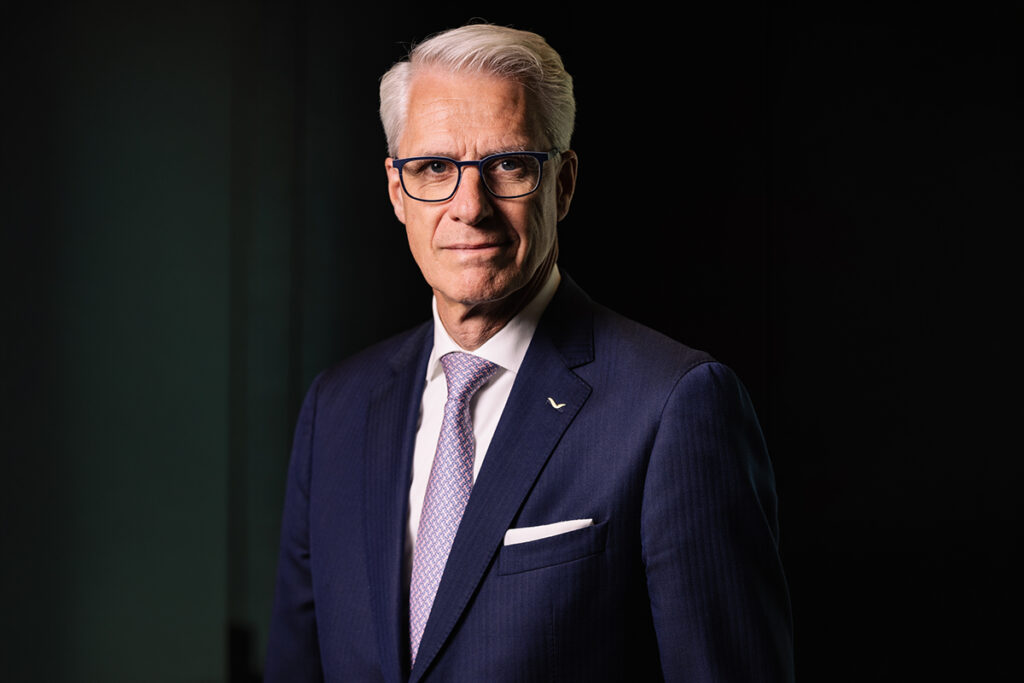
“An angry guest can still ruin my day.” Remco Groenhuijzen says this without hesitation. After all, he knows better than anyone what hospitality does to you when you take it seriously. Anyone in charge of a hotel also has to deal with the moods of guests, staff and unexpected phone calls.
Groenhuijzen is General Manager of the Mövenpick Hotel Amsterdam City Centre. He is in his early sixties, born and raised in Amsterdam-Noord, with a career that began with cooking, serving and working night shifts, and has led him to work in major hotels, oversee refurbishments, manage emergencies and advocate for the sector in a city where tourism is never just about tourism.
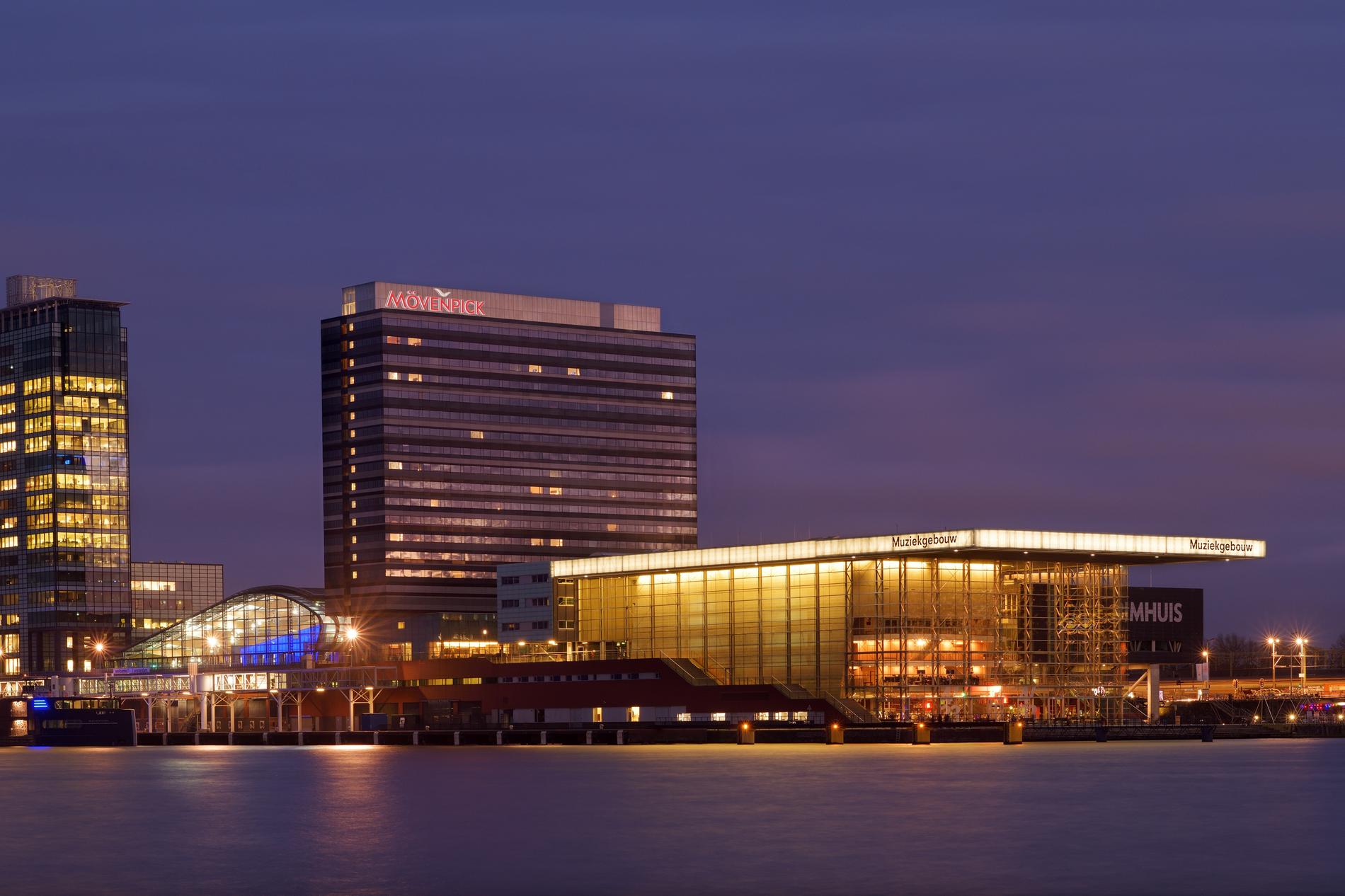
Groenhuijzen is someone who always sees the next step, learns from whatever comes his way and has consistently chosen places where he could discover something new. He once wanted to go abroad via an international chain. Thirty years later, he is still in Amsterdam. But he is now in a hotel where cruise ships dock, conference guests walk through the corridors and wheeled suitcases bring an international atmosphere inside every day.
His story is therefore not one of missed opportunities. It is the story of a passionate hotelier who has always kept moving with the times, even when that movement remained closer to home than he could ever have imagined. A hotelier who loves to learn, loves to build and, above all, understands that leadership does not begin with a job title, but with how you enter a room, how you look at people and how you act when everyone is watching you.
Remco Groenhuijzen is from Amsterdam-Noord. You can still tell, he says. His parents were also from Amsterdam. His father worked at Stork; his mother was a housewife. A career in the hospitality industry wasn’t the obvious family path. Yet he chose to do vocational training from a young age. At the age of twelve, he had to choose a direction, and his mother felt it was important that he learnt a trade.
Cooking appealed to him. That is how he ended up on the General Consumer Training course in Amsterdam-Noord, better known as the ship’s cook training course. There, he learnt not only cooking and serving, but also butchery, pastry-making, bread-baking, product knowledge, drinks knowledge and kitchen theory.
Looking back, he still finds it strange that he had to make such a choice at the age of twelve. But he did it. And he did it well. Groenhuijzen describes himself from that time as a go-getter. Someone who wanted to be the top pupil in the class. He succeeded. He breezed through the course and was sixteen when he finished.
After that, he could have gone to sea, as some of his friends did. But you had to be eighteen to work on ocean-going vessels. A cookery teacher recognised his talent, whilst a service instructor saw something else in him too. Eventually, the advice came: go to the secondary hotel school in Amsterdam, which had just opened. That way, you’ll have a qualification under your belt and you can always choose what to do afterwards.
His parents were fine with that, as long as he finished the course. His father made it clear enough in his Amsterdam accent: “You won’t pull that one on me again.” His sister had previously dropped out of a course after a year. Remco had to see it through. That suited him just fine.
Whilst studying, Groenhuijzen worked in the hospitality industry. At Crêperie Pan Pan on Kalverstraat, part of Albert’s Corner, he worked as a waiter. There, he discovered not only that he enjoyed looking after guests, but also that he took pleasure in organising the restaurant floor.
He had a sector. A number of tables for which he was responsible. The worst section was at the back. That’s where you started. Then you worked your way round to the front. Remco eventually ended up at the front because he ran his section well. That meant not just smiling at the tables, but ensuring guests were served quickly, tables were cleared on time and the whole flow ran smoothly.
Even in those early years in the hospitality industry, you could already see many of the traits of the hotelier he would later become. For him, it was all about the guests, but also about keeping track of things. About making a connection, but also about speed. About atmosphere, but also about profitability. And, of course, tips were important. “If you do a good job, the tips will come naturally,” he says.
More important than that tip was the lesson that you need to be able to connect with people. You have to be open to interaction, show an interest, and not be too quick to judge. In the hospitality industry, you meet people you might not normally come into contact with. That includes difficult guests, or guests who are angry. That’s exactly where you learn the trade. “You need to have the drive to welcome guests and make sure they have a good time.”
Groenhuijzen saw how a complaint could turn into loyalty. Guests who started out angry sometimes became regulars because a good rapport was established and the problem was resolved. That is why he still believes it would be good for everyone to work in the hospitality industry for a while. You learn to communicate. You learn to listen. You learn that showing an interest can make the difference between a transaction and genuine connection.

After completing his secondary hotel school education, he undertook work placements and part-time jobs. Groenhuijzen worked at the Marriott in Amsterdam, undertook work placements at the American Hotel and the Amstel Hotel, and ended up working in the kitchen there too. However, he gradually realised that he did not want to stay in the kitchen. He was drawn to food and beverage, but specifically to management.
A key learning experience came out of the blue. The warehouse manager went on holiday for six weeks and Remco was asked to run the warehouse. At first he thought: what on earth does that involve? But that’s precisely where he learnt a great deal: ordering, purchasing, stock-taking, stock management. The behind-the-scenes side of the business. Things you learn in theory at school, but only really understand when you see them in practice.
Later, whilst he was working at Marriott, the post of night auditor became vacant. Back then, if you’d just graduated from hotel school, you were expected to have held certain roles. Stewarding or night shifts, to get to know the behind-the-scenes side of things better. Groenhuijzen chose the night shift and worked night shifts for a year and a half.
Those were the days before computers. With 400 rooms, the bills had to be entered manually. Room rate by room rate, bill by bill. If the trial balance didn’t add up, you’d have to keep searching until you found the mistake. So a night shift like that wasn’t exactly a quiet affair. But it was certainly an educational one.
Those early years at Marriott, Sonesta and the Amstel Hotel gave him a broad insight into the industry. French-style, American-style organisation, with streamlined processes. He learnt how hotels are run, how departments work together and how important it is to understand not only the front of house but also the back office of an operation.
At the age of 23, Groenhuijzen was a restaurant manager at Sonesta. He had, as he himself puts it, ‘made it’. Yet he wanted to go further. An F&B manager knew someone on Sint Maarten who ran a restaurant and bar. Perhaps some experience abroad would do him good. There was no FaceTime, no quick video call. A phone call, a letter, and eventually he boarded a plane.
He wasn’t quite sure what to expect. His girlfriend – who had been his wife for years by then – stayed behind in the Netherlands at first. They lived in Wittenburg, Amsterdam, and didn’t want to give everything up straight away. Remco wanted to see within six weeks whether it was going to work out. He calls it ‘building in a bit of security’. He was 24, but even back then he wasn’t the sort of person to take a leap of faith without having a safety net in place.
Sint Maarten wasn’t just a brief adventure. He stayed for almost six years. The island had a French and a Dutch part, lots of American visitors and a different way of life. Groenhuijzen worked at a restaurant at the airport, a restaurant in town, a bar and a bar behind customs. Long days, six days a week. He had to be there by ten o’clock in the morning and sometimes didn’t get home until one or two o’clock in the morning.
There, he learnt to look at service in a new light. In America, it is normal for a plate to be cleared away as soon as someone has finished, even if the other person is still eating. In the Netherlands, that can quickly come across as rude. In America, placing a bill on the table is seen as good service; in the Netherlands, people think you want them to leave. He found such differences interesting.
Working with local staff was just as important. People had a different outlook on life. When you’re young, he says, you find your way through it all. You learn to be open to
r how others live and work. Don’t be too quick to judge. You can have an opinion on something, but you need to understand what you’re seeing first.
Actually, after St Martin’s Day, Groenhuijzen wanted to move abroad. America appealed to him, but during the Gulf War it was difficult to get in. Obtaining a green card proved difficult. Applying for jobs from an island was a slow process. By the time a letter arrived, the post had already been filled.
Eventually, he packed his things and returned to the Netherlands. He wanted a job, wanted to get back into the swing of things, and started as an assistant manager at Van der Valk in De Bilt. There, he learnt a great deal once again. On Sundays, 900 guests would dine à la carte. It was a non-stop operation. Operationally, it was strong, but at a certain point, Groenhuijzen wanted more.
In his view, there was also a limitation to pursuing a career at Van der Valk. If you really wanted to get ahead there, you had to marry someone from Van der Valk. He was already married, so that was going to be tricky.
He wanted another management role at a different level and was once again considering a move abroad. An international chain seemed the logical choice. That’s how he ended up at Novotel, part of Accor. The idea was: by joining an international chain, I might be posted abroad at a later date. Things turned out differently. Thirty years on, he is still based in Amsterdam.
That’s not a disappointment. He kept moving up the ranks within Accor. Restaurant and conference manager, operations manager, director at the opening of ibis Amsterdam Stopera, director of ibis Amsterdam Airport, the opening of Etap, regional director of fifteen economy hotels, back to Novotel for a major refurbishment, later The Grand and then Mövenpick.
At every stage, he looked at the product and considered what he could learn from it. That is perhaps the common thread running through his career: not necessarily the location, but the development. Not the map of the world, but the substance of the assignment.
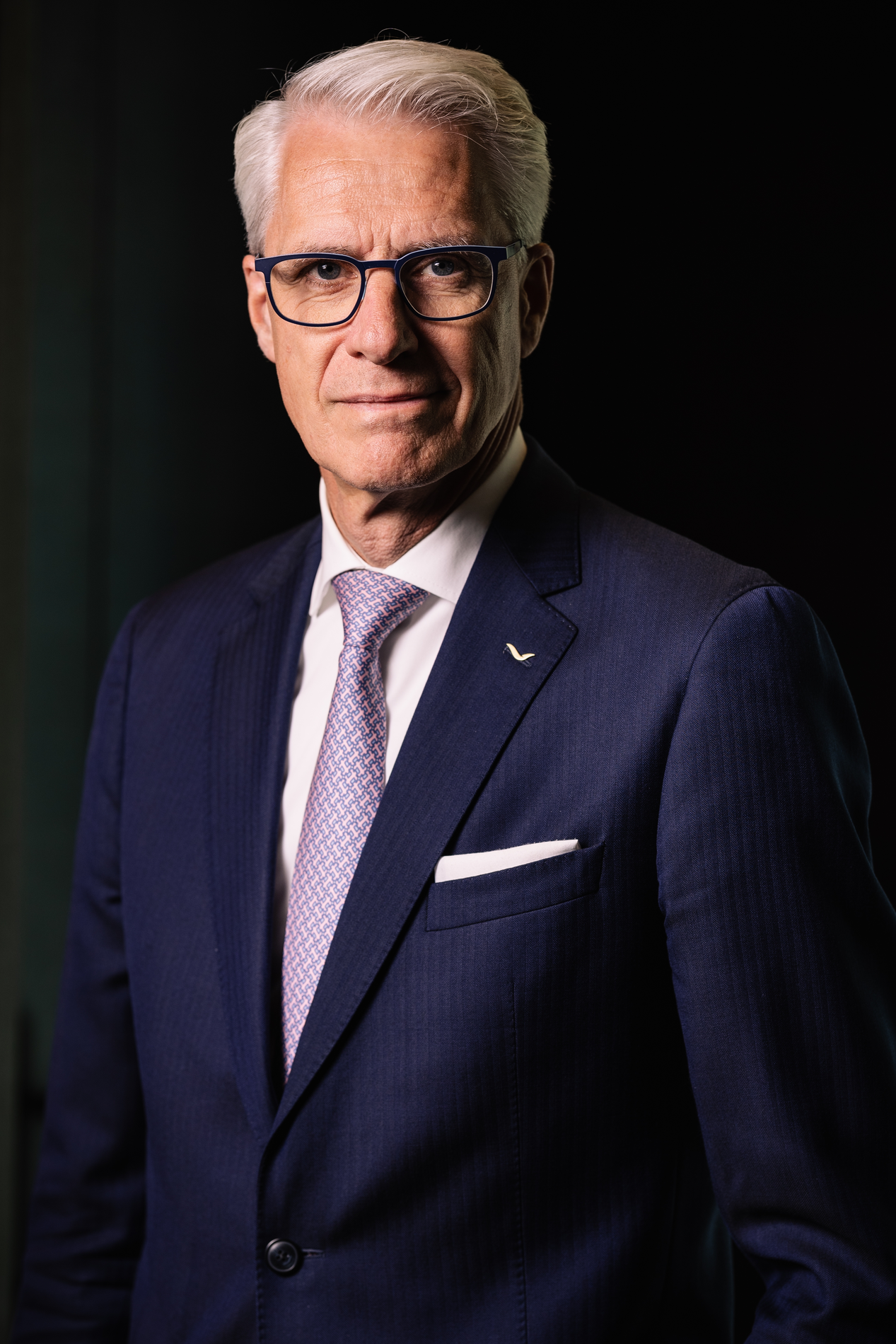
Large hotels come with great responsibility. Groenhuijzen isn’t daunted by this. But it does sometimes keep him awake at night. He has a strong sense of responsibility and sometimes worries too much about things. What could be improved? What needs to be put right? Incidents, in particular, tend to stick in his mind.
During the refurbishment of the Novotel, he was faced with an asbestos contamination incident. The hotel had to be evacuated. That makes it hard to sleep at night. The team is watching you. What do you do? What steps do you take? Do you stay calm?
At times like that, you can’t just be the warm, caring manager walking around. You have to make decisions and react quickly. The same was true during a fire, shortly after the Novotel’s refurbishment. Due to a temporary fix in the extractor system, grease had built up. The flames shot up from the pan and spread to the ceiling.
Groenhuijzen was out when he received a call. At first he pressed ‘reject’. Then he did so again. When the phone rang four times, he finally answered it. A trembling voice came from the other end: ‘The hotel’s on fire.’.
Then the blood drains from your face for a moment. You drive there without knowing what you’ll find. There are members of the press, the fire brigade and staff. Everyone is looking at you. Safety comes first. You have to make sure everyone is safe. Only then can you start to analyse the situation. What happened? Could we have prevented it?
It is at times like these that leadership becomes tangible. Not through words, not through a vision presentation, but through one’s demeanour. Keeping a cool head. Communicating. Not shying away. People need to feel that there is openness and that nothing is being hidden.
Groenhuijzen isn’t the sort of person who walks into a new hotel and immediately starts telling everyone what needs to be improved. When he moved from Novotel to The Grand, he gave careful thought to his role. The same applied when he joined Mövenpick. Bringing in a new manager is always exciting – for the organisation, for the staff and also for the manager himself.
He believes in observing before taking action. Spend the first hundred days observing, having conversations, and understanding what’s going on. Of course, there are things that can be improved. But you don’t start by saying that everything is worse than where you came from. You establish your position, build trust and ensure that you can move forward together with the team.
His door is always open. Not as a management cliché, but as a way of working. Trust is important. So is projecting a sense of calm. Especially in a hotel, where anything can happen any day and where staff can sense, down to the last detail, whether a manager practises what he preaches.
That’s where his third lesson, mentioned later in the conversation, comes from: leading by example. How do you move about a hotel? Do you use the staff entrance yourself? Do you follow the house rules? Do you eat in the canteen? If, as a director, you flout the rules, people notice it straight away.
‘Practise what you preach,’ says Groenhuijzen. It may sound simple, but in a hotel, leadership is put to the test every day. Not by a board of directors, but by staff who see how you walk in, how you speak, how you walk and what you do when no one is formally watching.
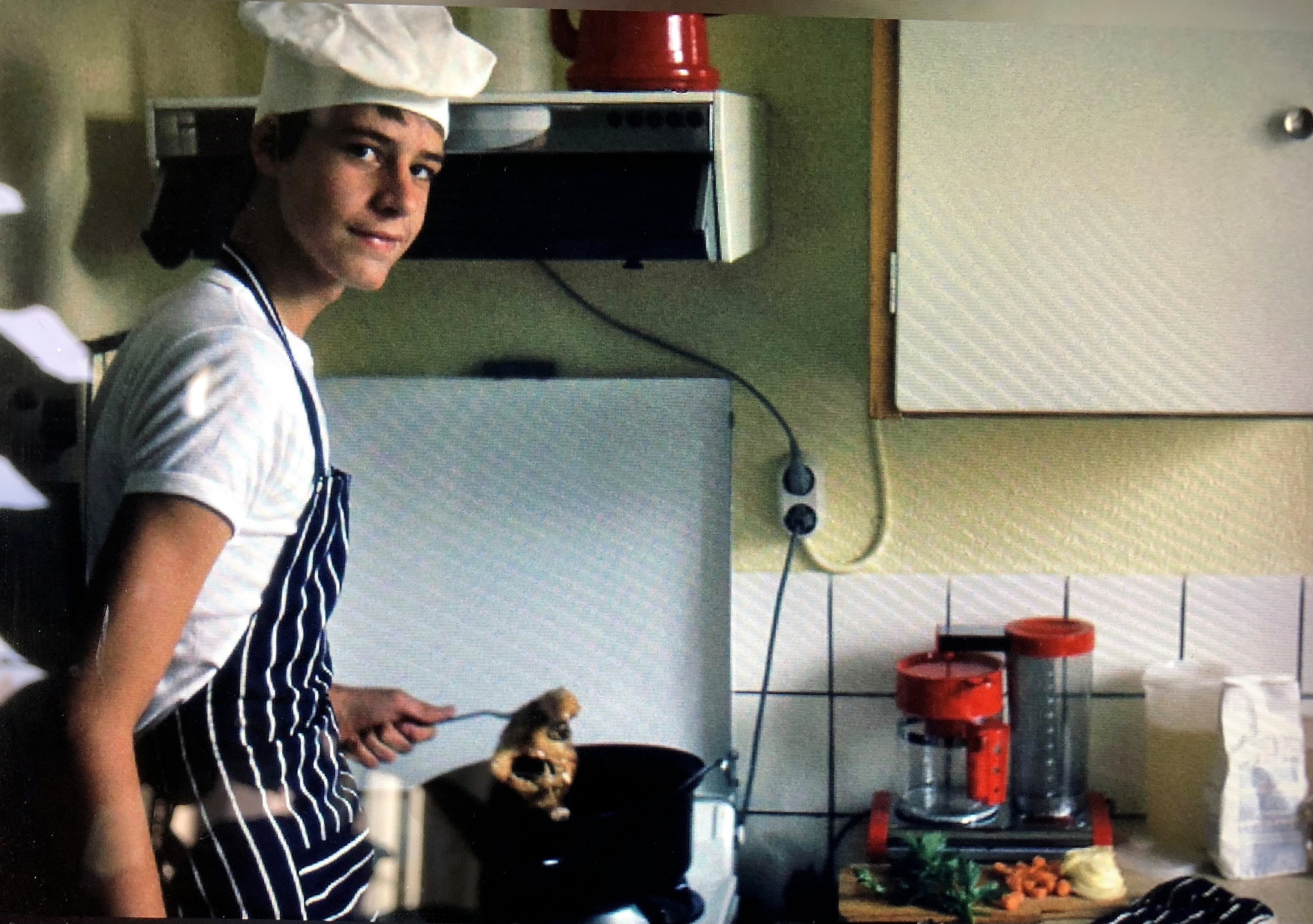
As well as his work at the hotel, Groenhuijzen is committed to the city and the industry. He served as chairman of Luxury Hotels of Amsterdam for ten years. In his view, this has become increasingly necessary in recent years. In a city where tourism is regularly under pressure, he believes that hoteliers need to explain just how important the visitor economy is.
He does not see the tourist tax as a cash cow that the council uses to fund nice things on a whim. That is why he is seeking dialogue with political parties. Not just to complain, but to explain. Not just from the perspective of a single hotel, but from that of the city as a whole.
This commitment is in line with a broader conviction. Groenhuijzen believes in the Circle of Influence. He says he has got to where he is today because he has always gone the extra mile. If there was an F&B working group, he’d get involved. When the Association of Food & Beverage Management was looking for someone to join the board, he stepped up. He was a board member of the Red Cross and now sits on the board of a theatre in his home town.
He therefore has a clear message for young people: build a network. And not just by adding someone on LinkedIn. Go to events. Join associations. Pop into a meeting. In Amsterdam, he often sees the same faces at meetings. New hotel managers should be the ones turning up there. Competitors are also colleagues. Together, you sell Amsterdam first. After that, the guest will choose which hotel to stay in.
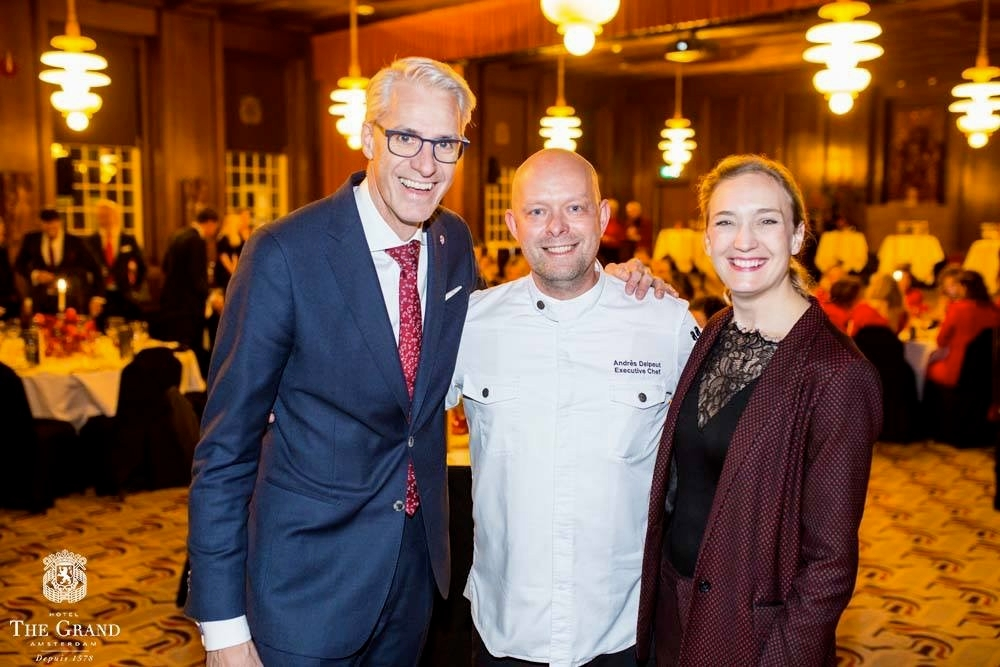
At the end of the interview, Groenhuijzen looks back on his career with gratitude. He has been given many opportunities within Accor. And you have to be given opportunities, he says. When he was 23 and became a restaurant manager at Sonesta, in hindsight he was perhaps “a cheeky little rascal”. He still sometimes thinks of the people who gave him those opportunities.
But opportunities don’t just fall into your lap. You have to make yourself noticed. Show commitment. Put in extra hours. It may sound old-fashioned, but according to Groenhuijzen, it remains true. You won’t get anywhere just by waiting for someone to discover your talent. You have to be there, get involved, learn, ask questions and take on responsibility when the opportunity arises.
His story is therefore not merely a career spanning major hotel brands. It is also the story of a boy from Amsterdam-Noord who chose a profession at the age of twelve, learnt the ropes in his first neighbourhood whilst working in the back of a restaurant, spent nights on end balancing the books, learnt to read cultures on Sint Maarten, and grew into a leader in Amsterdam who must bring calm when others feel tension.
Remco Groenhuijzen would rather be a warm leader who is sometimes a little too involved than a distant leader who has everything perfectly under control. But anyone who hears him talk about fire, asbestos, teams and safety will realise that, for him, warmth is not just…
It’s about warmth. It’s about being there. Observing. Taking action. Getting your people on board. And then, if necessary, just getting back out there.
Because ultimately, that’s where it all starts, time and time again: in the hotel itself. At breakfast, in the corridors, amongst staff and guests. That’s where Groenhuijzen gets a feel for what’s going on. That’s where he can tell if a day is going well. And that’s where, despite all his roles and responsibilities, he remains, first and foremost, a hotelier.
Listen to the podcast episode featuring Remco Groenhuijzen on Hotelvak, the go-to podcast.
 Nederlands Nederlands
  English (UK)