hotelvak.eu
EN

Platform on hotelmanagement, interiordesign and design in the Netherlands
More space without building bigger
A bed that disappears into the ceiling at the touch of a button, transforming a bedroom into a workspace or gym. In Norway, it is already being tested with real hotel guests. Robotic furniture demonstrates that hotel tech is not just about digitising the guest journey. Technology can also change the way hotels use their most valuable asset: floor space.
A hotel room measuring 17 square metres naturally remains 17 square metres on the building plans. But as soon as the bed no longer permanently occupies six or seven square metres of floor space, space suddenly becomes available that can actually be used during the day. In that sense, technology creates new square metres without moving a single wall.
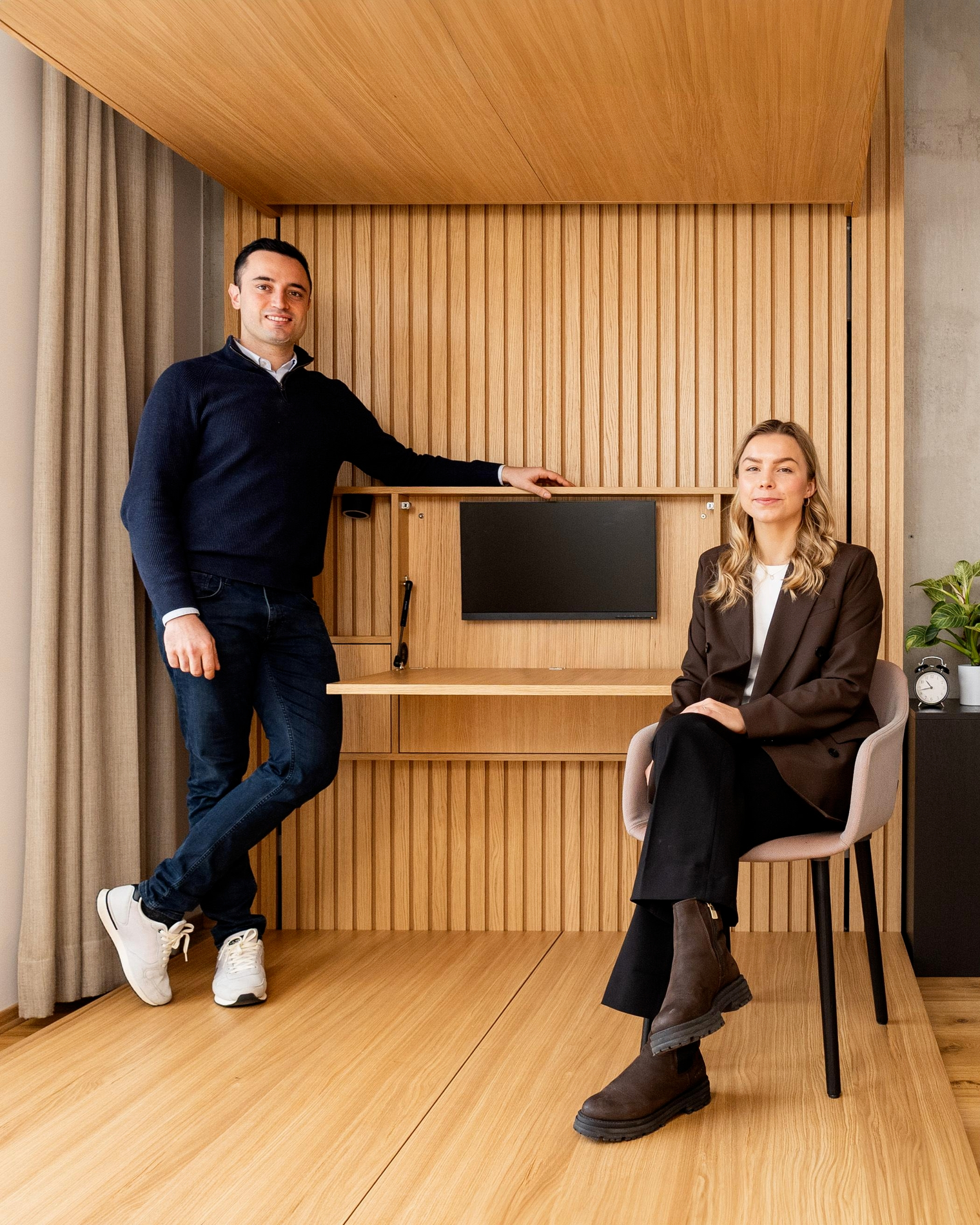
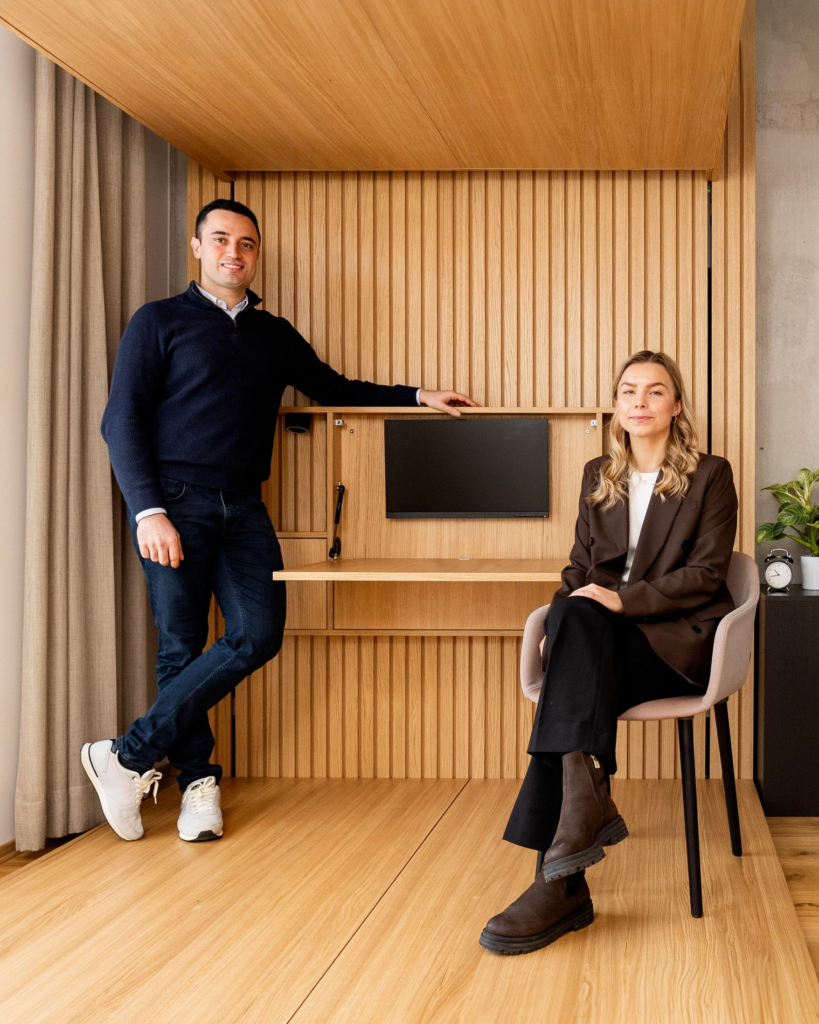
This concept is being trialled at the Ydalir Hotel in Stavanger. The Norwegian campus hotel at the University of Stavanger has 59 rooms and is collaborating with start-up MASE Home on a room in which the bed rises at the touch of a button. According to Business Norway, the bed retracts towards the ceiling in less than thirty seconds. Guests do not need to fold it away or make it up again. Once the bed is raised, the floor space underneath is transformed into open space.
During a six-month pilot, hotel guests were able to use the system in a 17-square-metre room. This meant that the same room could serve as a bedroom, a workspace or a place to exercise during the day. Guests were asked about their experiences through interviews and questionnaires.
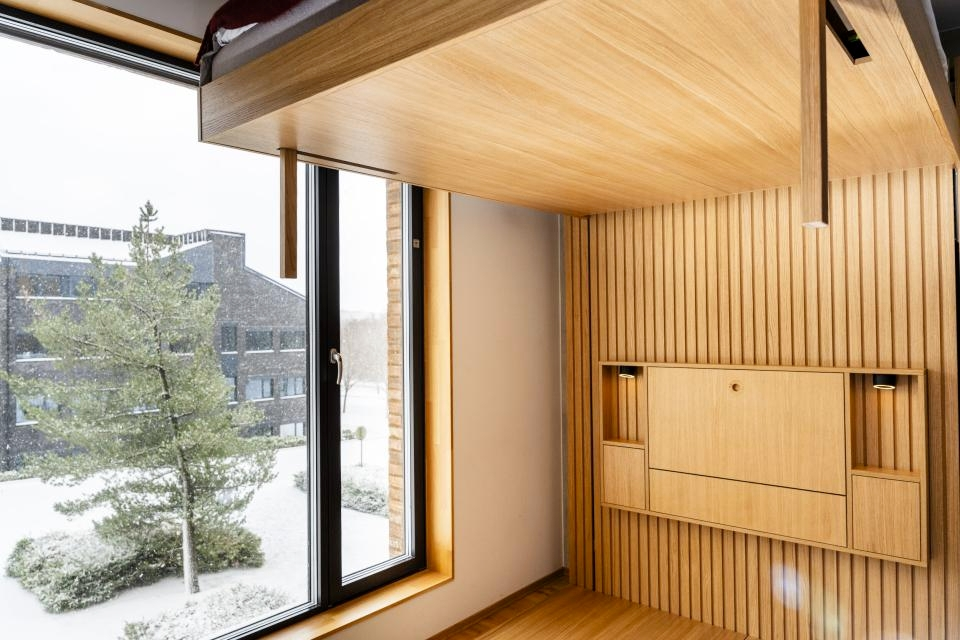
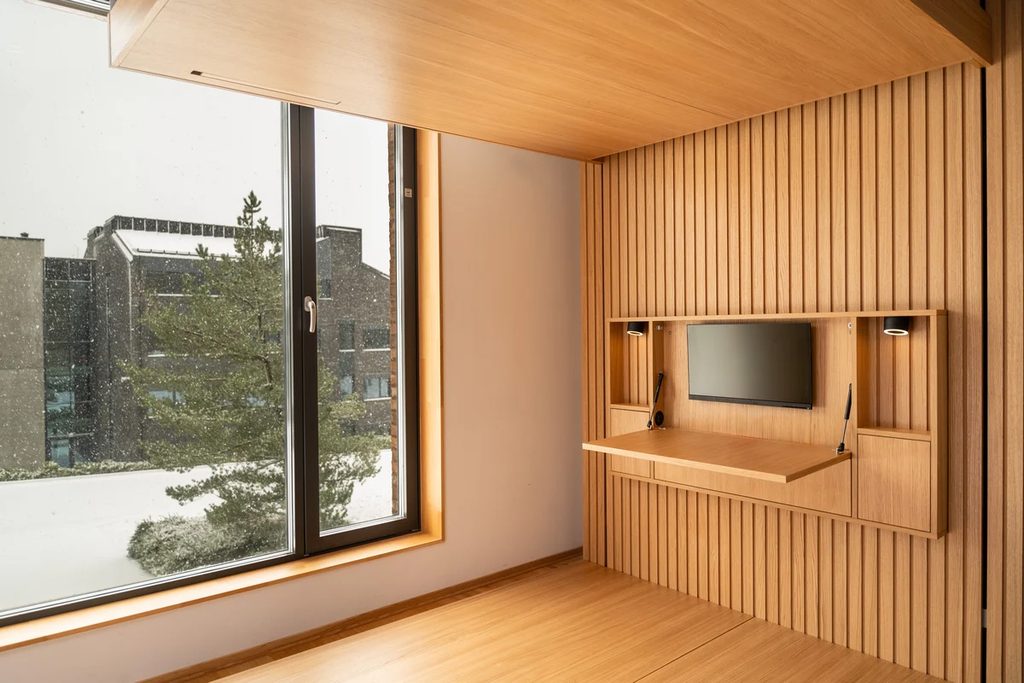
For hotel developers, that is precisely where the interesting idea lies. A bed is one of the largest items in a hotel room and takes up the same amount of space during the day, even though the guest is often not using it at that time. By temporarily moving it out of the way, the floor space is given a second purpose for much of the day.
MASE claims that the system can free up 15 to 25 per cent of the floor space in compact homes and hotel rooms. This is a claim made by the supplier and does not automatically mean that a hotel will also achieve a 15 to 25 per cent increase in profitability. However, in a room measuring 17 square metres, this would theoretically mean that a few square metres normally taken up by furniture would become available for other uses.
This makes the technology particularly interesting in locations where every square metre is at a premium. Think of city-centre hotels, the conversion of existing buildings, or projects where the available floor space simply cannot be increased.
Rather than constantly making a room bigger to add more functions, a different design question arises: can the same square metres be used more than once?
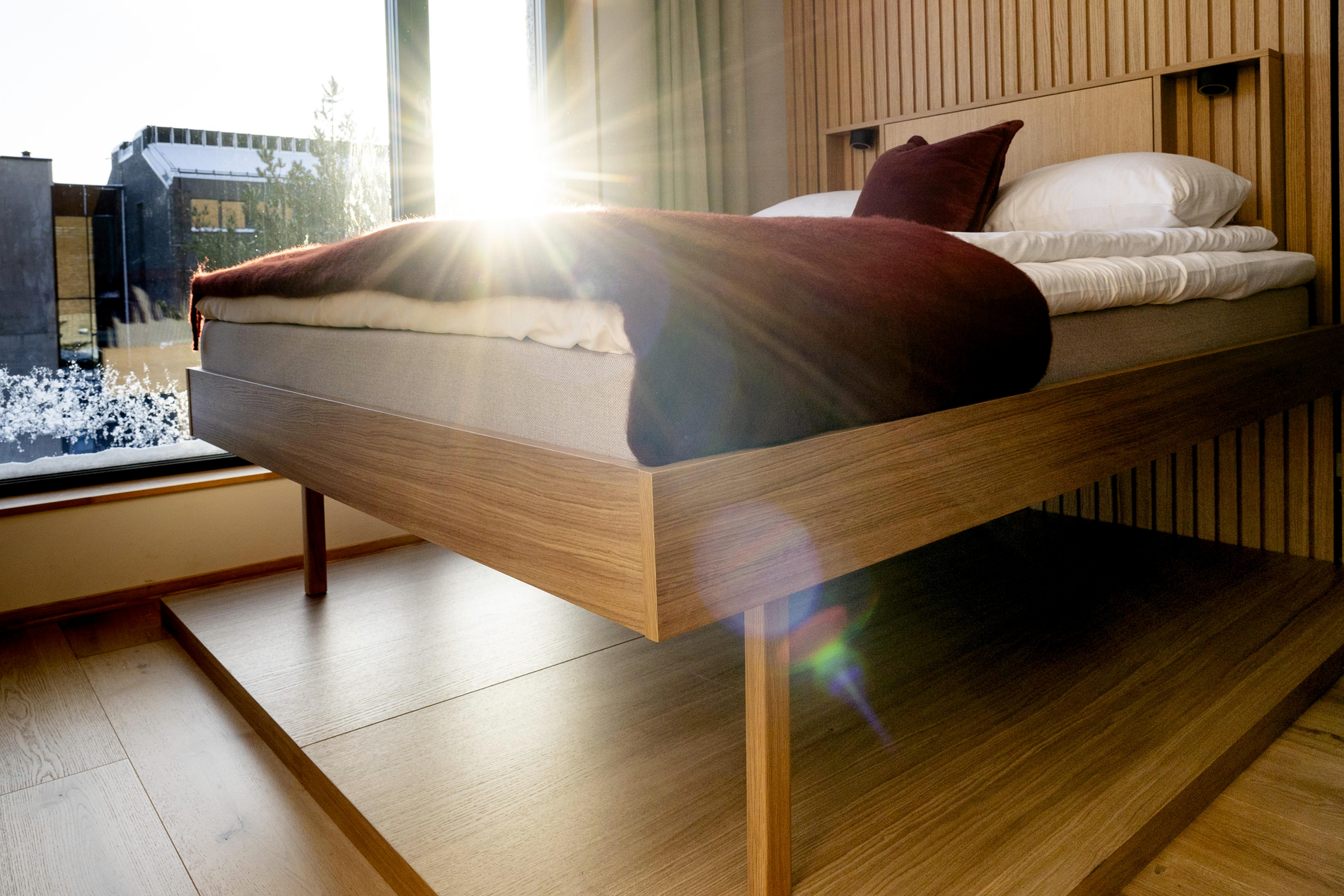
This means that robotic furniture is shifting from being a gadget to becoming a property issue. If, thanks to movable furnishings, a smaller room offers the same possibilities for use as a larger room, this could have implications for the layout of an entire hotel.
For example, a developer could create more rooms within the same gross floor area. In an existing building, spaces that would be too small for a traditional room layout could be adapted for hotel use. And for the guest, a compact room can actually feel more spacious during the day because the largest piece of furniture is temporarily removed.
According to MASE, the system is installed as a freestanding structure and does not need to be fixed to a load-bearing wall or ceiling. This means the technology could be used in both new-build and existing buildings.
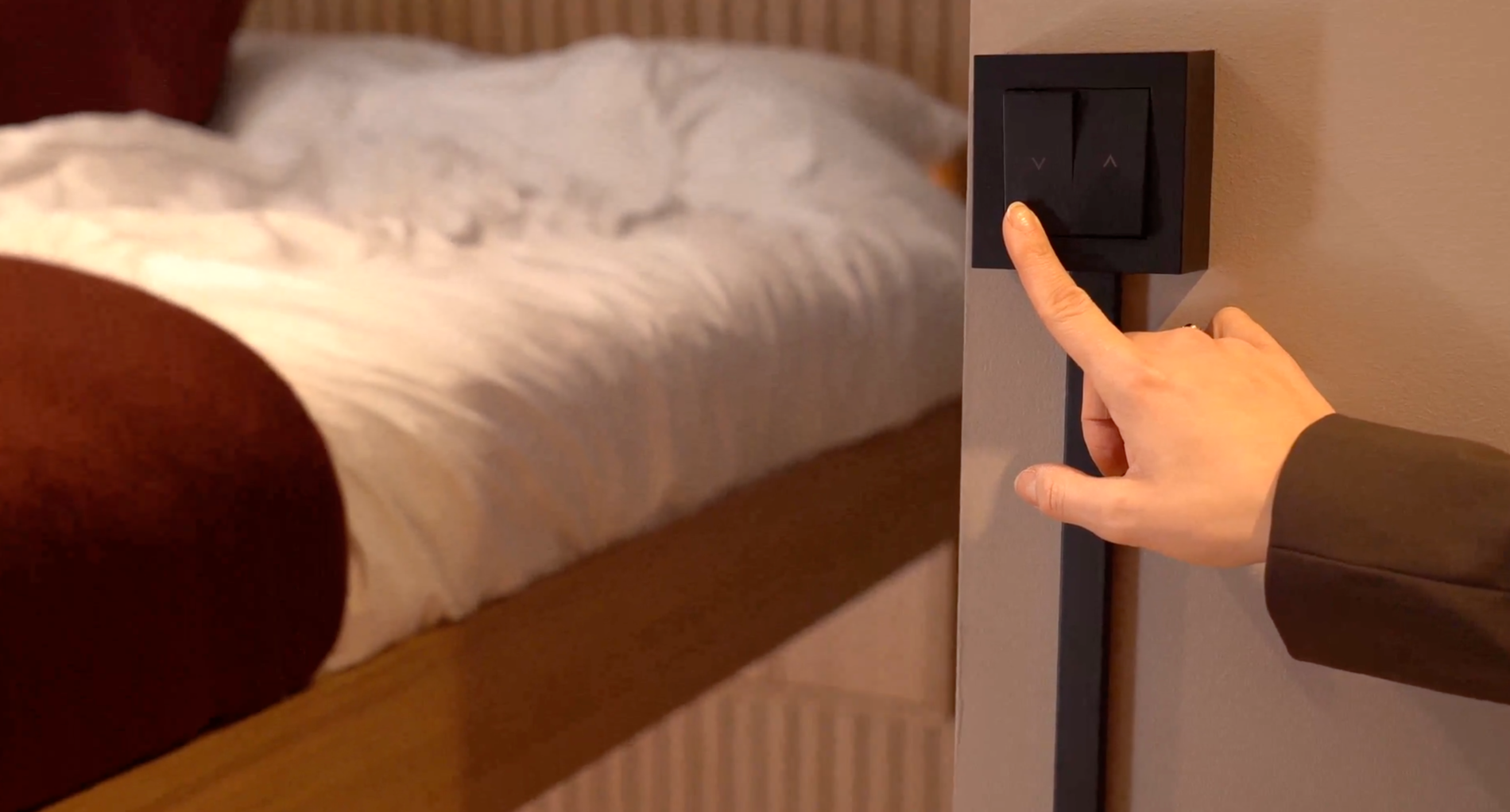
The hotel environment, however, has different requirements to a show home. A bed is used hundreds of times a year and must be easy for a constantly changing stream of guests to use. Moving parts also mean maintenance and potential breakdowns. And ultimately, it is not the technology but the guest who determines whether the concept is a success.
A survey of 426 consumers regarding robotic furniture in hotel rooms shows that practical benefits and ease of use are the main factors determining how highly it is rated. Design also plays a role in booking intentions. Simply being innovative is therefore not enough.
That is precisely where the challenge lies. Guests must not be given the impression that technology is being used simply to squeeze them into a smaller room. On the contrary, the system must achieve the exact opposite: a compact hotel room that appears to offer more space and possibilities than its square metres would suggest.
 Nederlands Nederlands
  English (UK)