hotelvak.eu
EN

Platform on hotelmanagement, interiordesign and design in the Netherlands
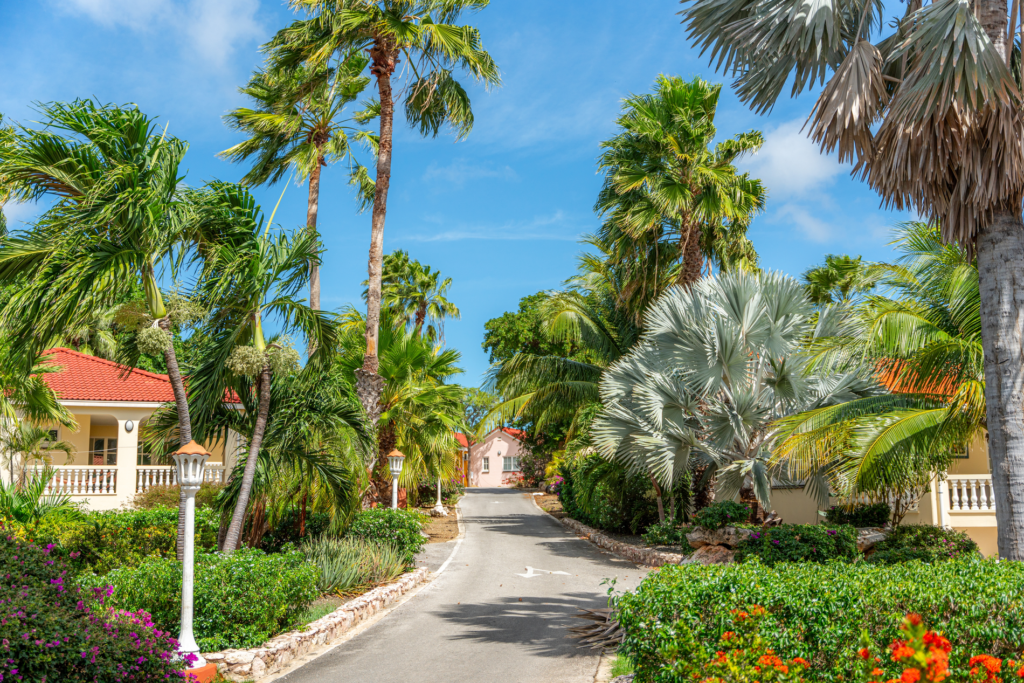
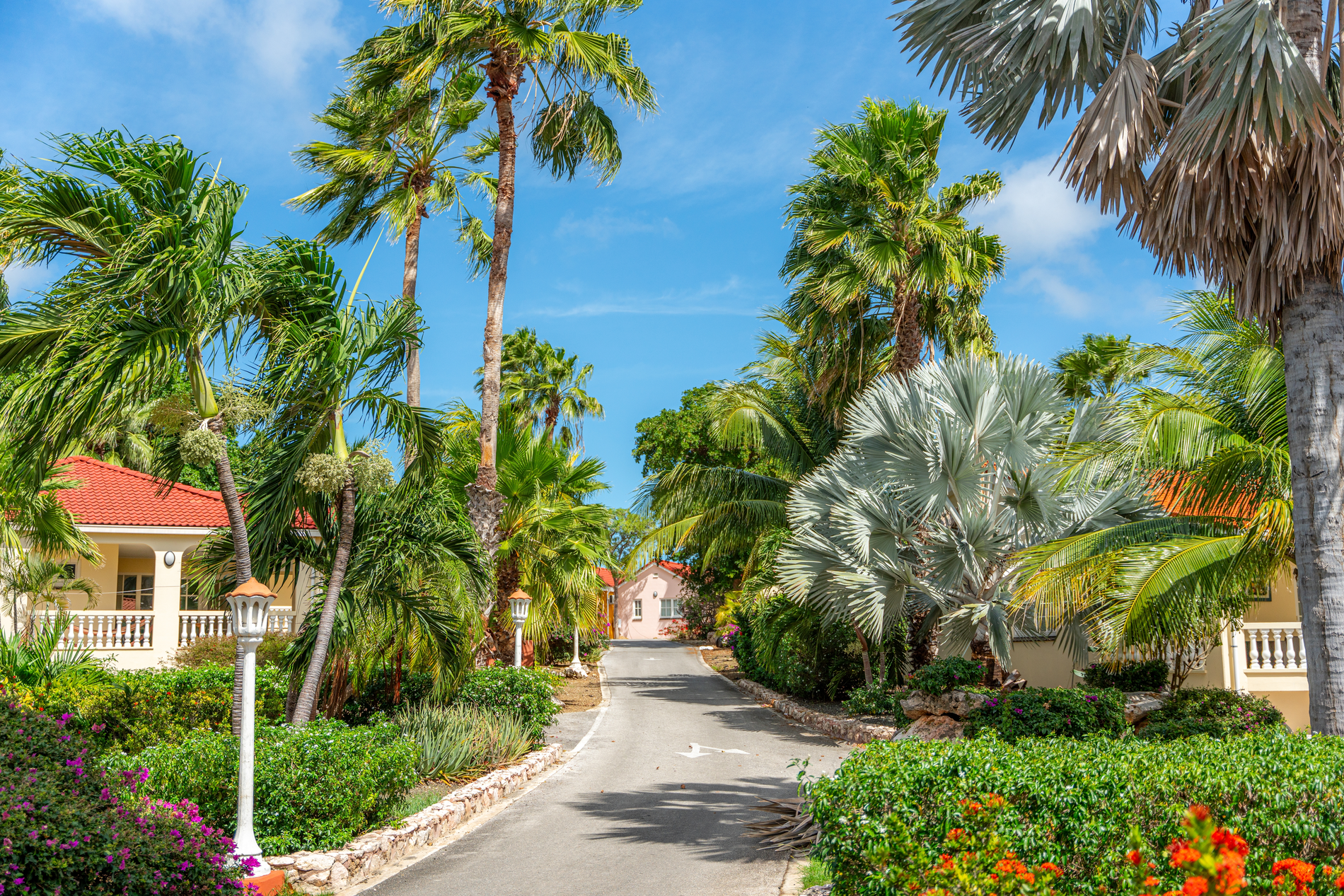
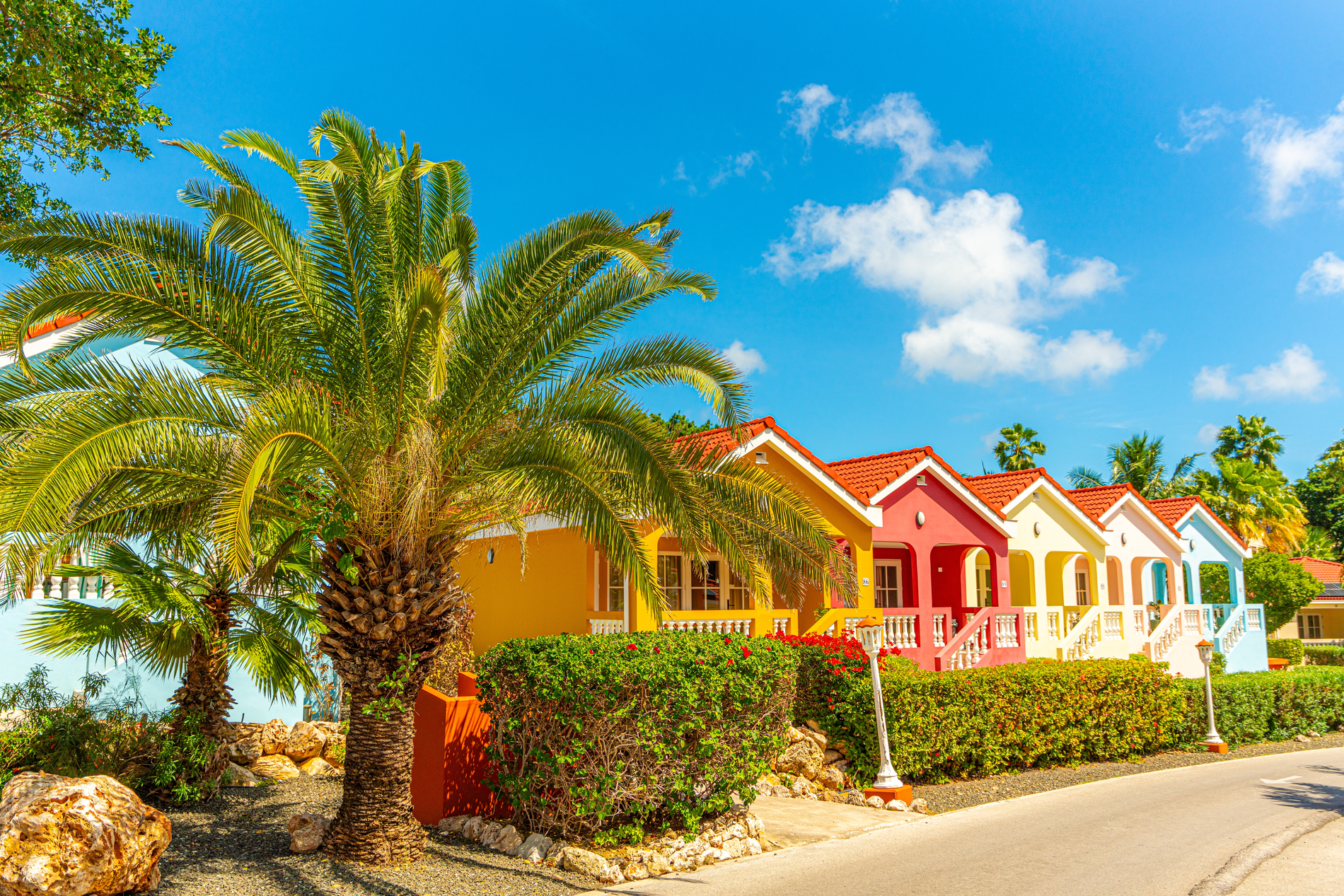
Livingstone Resort opened in 2001 in the Jan Thiel district. At the time, tourism on Curaçao was still in its infancy. The developer, Livinvest, built a resort inspired by the island itself: its warm colours and authentic style. The resort is named after David Livingstone (1813–1873) as a tribute, even though he never visited the island. A man who, as a missionary, doctor and explorer, set out into the world with a sense of curiosity and a deep respect for humanity. He fought against injustice and sought to build connections.
Exactly a quarter of a century later, the hotel at this idyllic resort is undergoing an inspiring transformation. Following its acquisition by Corendon in 2017, Livingstone has been part of the American brand Sonesta since this spring. What does such a radical rebranding mean for the hotel’s most valuable asset: the genuine care and hospitality shown by the team on the ground? Hospitality is not just about the beautiful architecture, the restaurants and the two azure-blue swimming pools. Alongside these atmospheric surroundings, it also lies in the service itself and, above all, in the behaviour of the staff. They make the difference every day. Genuine care and the art of positively influencing a guest’s behaviour are proving to be a major challenge for the hotel industry in 2026.
What does such a cultural shift mean for the team’s dynamism, pride and craftsmanship when an entrepreneurial family business gives way to the approach of an American hotel giant like Sonesta? After all, rebranding is so much more than a new logo on the façade or a different colour on the menu. It calls for a redefinition of hospitality, without losing the authentic Antillean warmth.
Madelinde Moesbergen joined Livingstone on 1 February 2026. Prior to that, she had worked at Ritz van Corendon, amongst others, as well as at Papagayo Beach on Curaçao. This was the moment when Corendon decided to rebrand Livingstone as a new brand: Sonesta. An American brand aimed at the American consumer. It is the eighth-largest chain in the world, with over 1,200 hotels. Over 2 million euros has been invested in implementing the new brand. The refurbishment began three years ago. All 33 villas, 49 apartments and 114 hotel rooms were renovated, as were the two restaurants and the two swimming pools.
1 April 2026 is the official date on which the Sonesta brand will be introduced. The transition was completed in the space of two months whilst operations continued as normal. It involves not only establishing a new brand in terms of look and feel, but also changing systems and the way we interact with guests. That places demands on an organisation, but certainly on a team as well.
Implementing a transition as Resort Manager requires commitment and very tight planning. Sonesta provided a ‘PIP book’ (Property Improvement Plan). This was, of course, followed, but our own insights were also incorporated. The organisation’s DNA needs to change. Every week, there were PIP meetings with Sonesta, attended by the Resort Manager and the Operations Manager. Every day, there were discussions between the Operations Manager and the Resort Manager. Every week, there was a management team meeting with an update from Sonesta, which then had to be passed on to the department heads. The team was trained via an online programme leading to certificates. Madelinde attended every team meeting to hear what was happening on the shop floor.
The most important aspect was the staff’s guest-focused behaviour, which ensures a ‘WOW’ experience for guests. Strangely enough, that was where the biggest challenge lay: interacting with guests. Why is it that you don’t smile whilst on duty in the front of house? A smile works wonders. It instantly puts guests at ease. Smiling staff ensure that guests write better reviews, are more satisfied and, above all, order more. A hospitable attitude is contagious, even for your colleagues and the whole team. Job satisfaction is essential for creating good hospitality and that ‘WOW’ factor.
To make staff aware of the impact of a WOW experience, Madelinde used the metaphor of the theatre, a concert or your favourite show. You look forward to it. But on the day, the performer isn’t feeling their best and puts on a lacklustre show; as a member of the audience, you’re disappointed. You thought the ticket was too expensive, and what you’re left with is a feeling of dissatisfaction that you’ll share with friends and family. Or you go to the concert and the artist gives it their all; the concert is absolutely brilliant. It’s the best show you’ve ever seen. That positive feeling is exactly what Sonesta has in mind with the WOW factor.
That’s when it all clicked for the staff. The restaurant manager said: “This is a perfect example that everyone can understand.” Now it’s a matter of putting that desired behaviour into practice on the work floor. That takes discipline. It means that as soon as you walk through the gates of Livingstone, you leave your own worries and problems behind and adopt a positive attitude. Creating that ‘WOW’ moment for your guests starts with opening your ‘positive box’. Ask yourself: what can I do for the guests today? But don’t forget: what can I do for my colleagues?
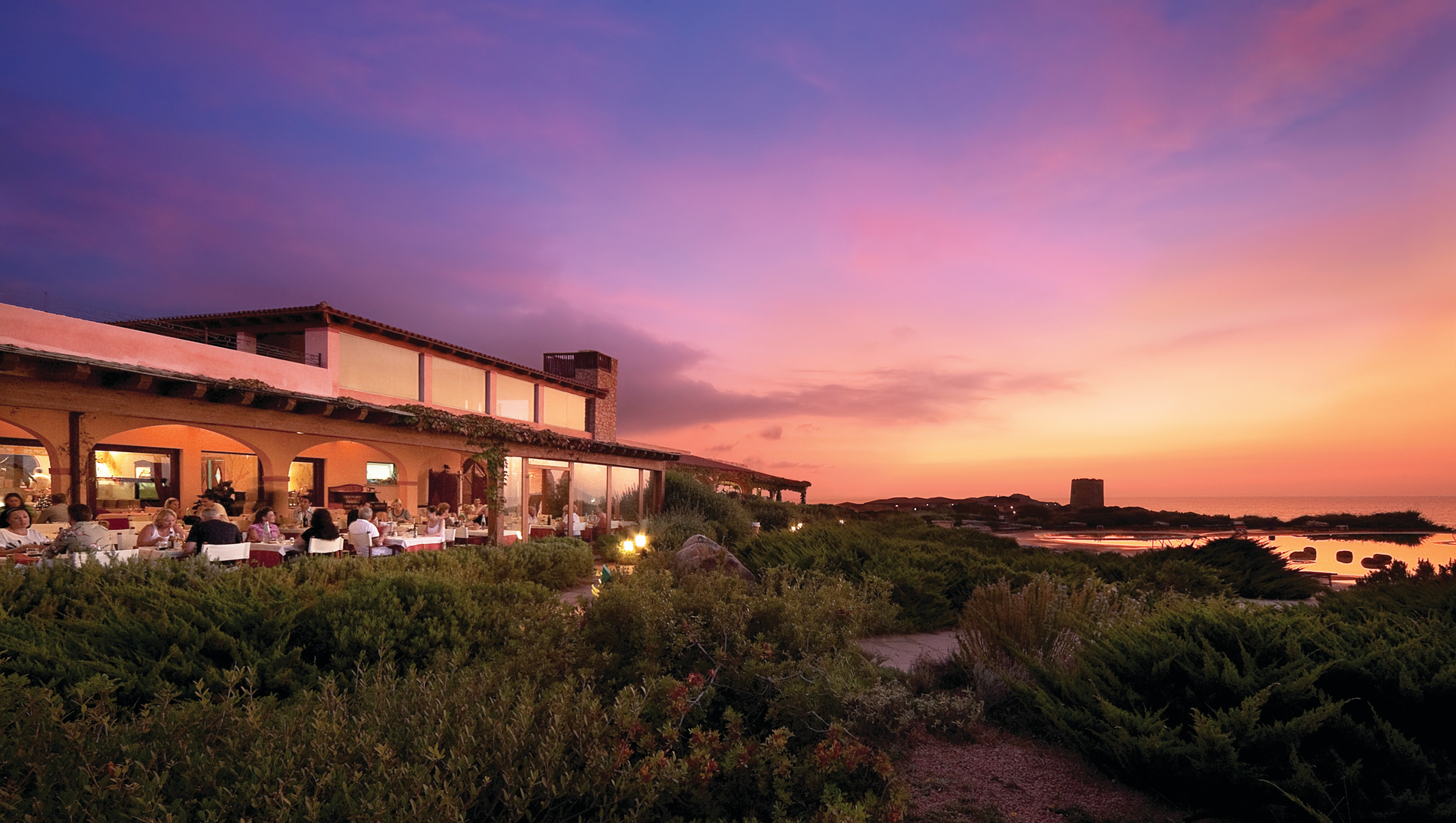
In consultation with Corendon’s HR department, an ‘ON-Stage’ programme was developed: an ‘ON-Stage TOUR’. What do guests experience when they arrive at the resort or hotel after a flight of over nine hours? How do you ensure a positive interaction with the guest? A successful part of the programme was ‘Mondi under the stars’, during which all staff members experienced what it is like to dine in the restaurant as a guest, whilst the management team took care of the service.
Doing things with the team that are a challenge for you personally is also part of the experience. For example, during the implementation phase, the management team went ziplining at Hofi Mango. Doing something different during a team-building event can help change your attitude and behaviour. Along the way, they took part in a quiz with questions designed to help them get to know each other better. After all, how well do you actually know one another, even though you work together almost every day? Ultimately, a few words emerged that characterise the team. Together, these words form Livingstone’s new DNA. The programme had the desired effect and was so successful that Sonesta is now incorporating it into its training programme for employees worldwide.
In addition to this programme, other systems such as Opera and Symphony also had to be implemented, as well as a new menu and a new uniform. And all this whilst Livingstone is effectively in peak season all year round. It was quite a challenge, but we pulled it off. “Thanks to the daily stand-up meetings and fortnightly management team meetings with Sonesta as a fixed part of our routine, we’re now creating plenty of ”WOW’ moments for our guests. Meanwhile, reviews have improved, staff are more satisfied and the average spend per guest has increased. It just goes to show once again that investing in hospitality pays off.”
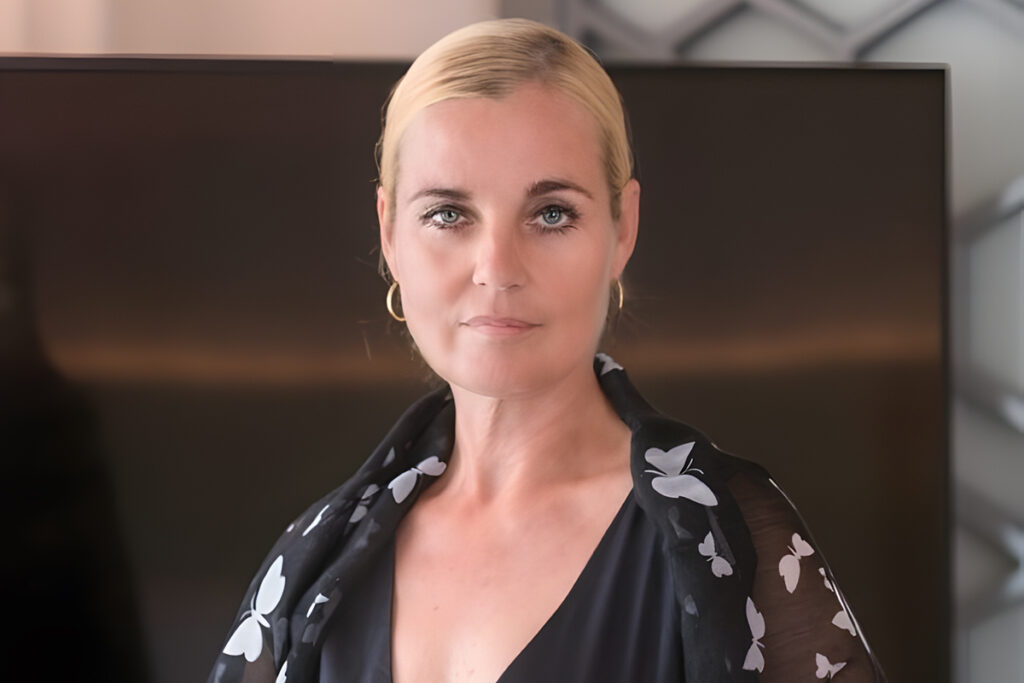
Madelinde Moesbergen speaks out:
Even as a young child, Madelinde wanted to work in the hospitality industry, and in particular to do something related to hospitality. “My father was a solicitor, so I didn’t inherit that love for the profession from my family. I was 14 years old when I started working in housekeeping at Hotel Nieuw Minerva, the oldest hotel in Leiden. Before long, I was also doing other odd jobs for the hotel. I loved it. I said ”yes’ to everything and just got on with the most varied of tasks. On my sixteenth birthday, I was working at the Holiday Inn. That’s where I learnt all the finer points of the trade.”
After secondary school, she attended the Mondriaan College, a hotel management college in The Hague. She completed her studies there successfully. By then, she was working full-time in the hospitality industry when she decided to enrol on the Higher Hotel Management Programme at NHL Stenden in the evenings. “I never went out; I worked at the best parties, which enabled me to progress further in the industry. At the time, aged 28, I was one of the youngest female managers in the Netherlands, working at Landgoed Olaertsduiyn in Rockanje.”
Madelinde worked in many hotels in the Netherlands. After completing the ‘Gastvrijheid Loont’ hospitality programme at Landgoed Avegoor, she moved to Curaçao in 2012.
“You have to learn to dance with the people.” In Curaçao, it’s important to approach people from the heart – sincerely, with care and respect. It works if you help people realise just how important hospitality is for
the hospitality sector. You adapt to people’s norms and values, in keeping with the organisation you work for and the island. It’s important to work with a positive attitude. It’s the tone that sets the mood.
It’s important to win the hearts of the people of Curaçao; that way, you’re building a team and they’ll come to realise the importance of hospitality. “You’ve got flowers in your pocket” was a lovely compliment she received from a member of staff. Or as a Spanish colleague once said to her: “Who could possibly get angry with you?”
Madelinde firmly believes this: “Giving orders doesn’t work. Speak from the heart, because that’s always right. You don’t know any better than the staff here. You really do it together! When you speak from your feelings and your heart, you win people over and win the team over.”
 Nederlands Nederlands
 English (UK)