hotelvak.eu
EN

Platform on hotelmanagement, interiordesign and design in the Netherlands
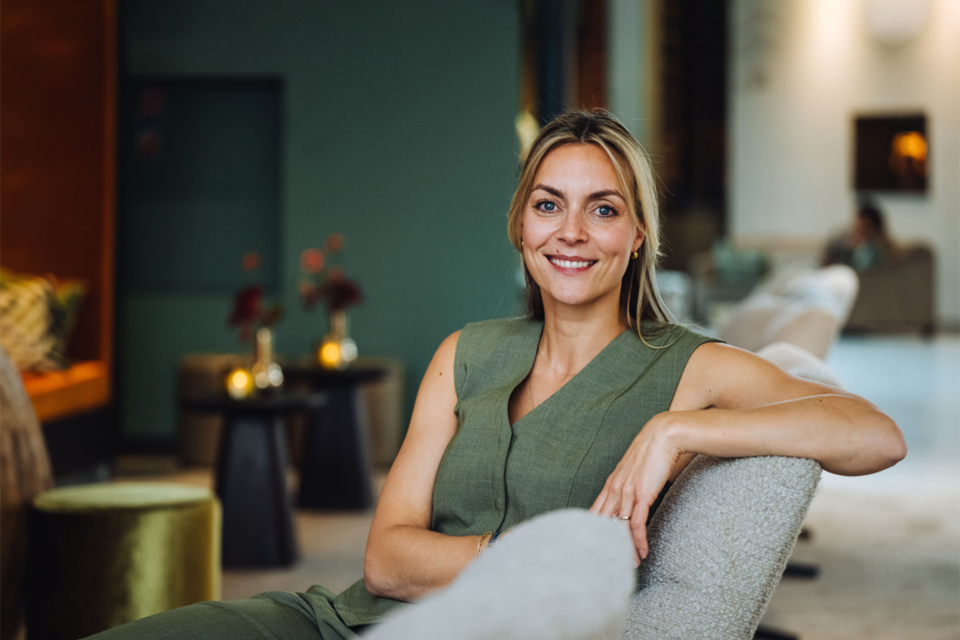
The name Van der Valk is sometimes mentioned even before Marlijn van der Valk has said a word herself. As general manager of Van der Valk Hotel Amersfoort, she is well aware of both the advantages and the assumptions that come with it. Her story is therefore not just about a family business, but also about finding her own place within it.
Until she was sixteen, Marlijn lived at Hotel Tiel. Not in a suite, with room service at her door, but in the family home above the hotel. Downstairs, the world of guests, staff, function rooms, guest rooms and restaurants bustled; upstairs, it was just home. To her, that felt perfectly normal. To others, it was unusual and sometimes gave them cause to form an opinion of her before they actually knew her.
At school, she was labelled a ‘rich kid’. She doesn’t describe it as serious bullying, but it was a label that stuck. She can’t remember exactly how her parents reacted when she said she didn’t want to go to school any more. She does remember, however, that it soon died down. Over the years, her resilience grew. “Then, as I like to say, you just have to keep your mouth shut.” She learnt to stand her ground and became just one of the girls again.
That experience has shaped her relationship with her surname. “Van der Valk” opens doors, she says, but it can also label you. Sometimes she uses the name deliberately, for example when she’s trying to secure a table somewhere. At other times, however, she deliberately leaves it out. The letterbox at her home in Amsterdam bears the name ‘Van der Veen’. There, she is less visible, less defined by others. “Sometimes it’s actually quite nice just to be Marlijn.”
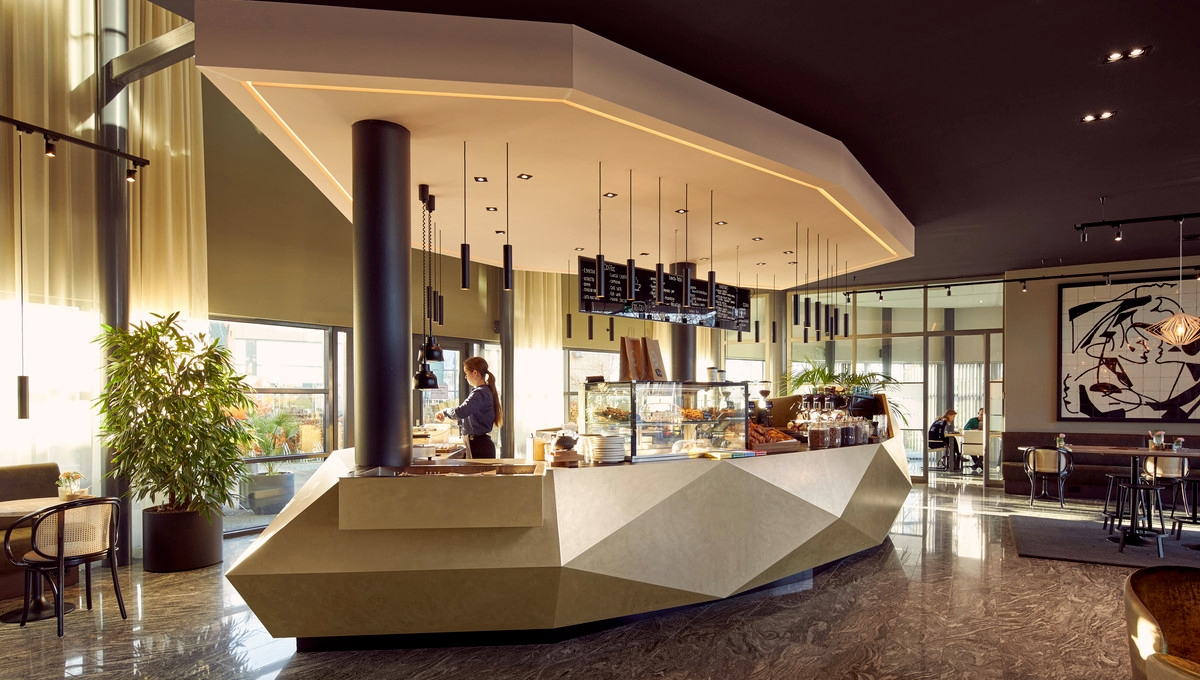
Anyone who grows up in a hotel has a different playground to most children. For Marlijn and her friends, the corridors, staircases and car park were more exciting than the street. There was always something going on. Mischief was part and parcel of it. Leaving notes worth twenty or twenty-five guilders tied to a fishing line in the car park, for example, and snatching them away as soon as someone bent down. Or sitting under a flight of stairs and tickling passers-by on their legs. She laughs about it now, though she realises full well that not every guest appreciated it.
For her, the hotel was not merely a setting, but a living home in which she played, observed and, increasingly, lent a hand. From the age of twelve, she carried a tray. Cleaning rooms was also part of the job. In this way, she learnt at an early age about the side of the trade that guests rarely see: the work that takes place after a door closes and before the next guest arrives.
She recalls a room belonging to a well-known Amsterdam folk singer, which was in a bit of a mess after a lively evening: the television had been moved, the beds had been shifted, and the room looked as if it had been completely redecorated. What do you do in a situation like that as a twelve- or thirteen-year-old girl? Tidy up and put everything back in order. The anecdote is amusing, but the lesson behind it is a serious one. Anyone who has ever cleaned rooms themselves comes to view housekeeping differently later on. You realise that it is precisely there that the hard, quiet work takes place, upon which the guest experience depends.
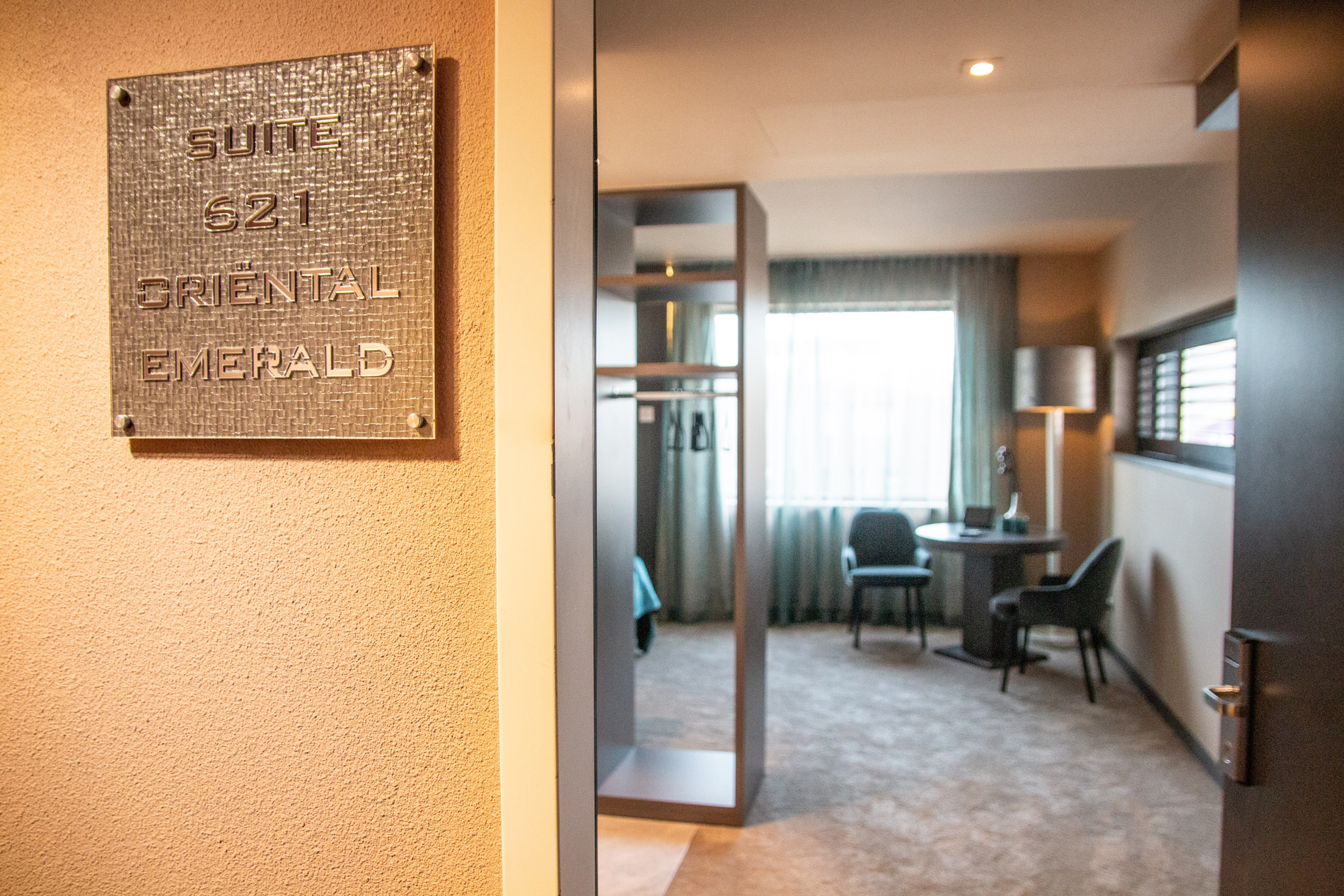
Marlijn incorporates that respect into her management style. For her, housekeeping is not a side issue and certainly not a role that can be judged solely on efficiency. It is the staff who are the first to see what guests leave behind: mess, damage, missing items and sometimes things you’d rather not come across. In her view, a hotel’s pride often lies precisely in the places where guests never go.
In the restaurant, too, she learnt that hospitality can change completely in an instant. When a guest suffered an epileptic fit, she sprang into action alongside her younger brother Max. They applied the AED pads, dialled 112, listened to the device, comforted the guest’s wife and, all the while, kept the restaurant calm. It was only once they were outside, sitting on a bench, that the tension finally eased. Their hands began to shake, and then the tears came.
According to her, it’s about doing what’s necessary at that moment. “You act to the best of your ability.” Only afterwards does the question arise as to whether something else could have been done. The hotel business carries on as usual, but an experience like that stays with you. For Marlijn, it’s a reminder of the human side of the job: sometimes you have to act first and only realise what has happened later.
The fact that Marlijn comes from a family in the hospitality industry didn’t mean she automatically wanted to go into the hotel business. Quite the opposite. She first wanted to discover what lay off the beaten track. She went to interior design school in Amsterdam, which her father jokingly called the ‘cut-and-paste school’. She had a good time there, but didn’t complete the course. Amsterdam held a stronger pull.
She lived with her best friend at the time on Albert Cuyp and worked at Het Paardje on Gerard Douplein: a busy place, behind the bar, right in the city centre. That’s where she learnt to stand on her own two feet: earning her own income, paying her own way and not relying on what was available at home. That attitude was nothing new to her; her parents had also made it clear that a privileged starting point didn’t mean everything would be sorted out for you. After completing her training, she started working at Cadeaulijn, her mother’s online shop offering experiences such as hot-air ballooning and jet-fighter flights. It was an opportunity to work in a family business without ending up directly in a hotel. After a year and a half, she realised above all what didn’t suit her. She liked the concept, but the work gave her little energy. She had no background in websites, had to work hard to attract visitors and saw too few results. Eventually, she called it quits. Marlijn doesn’t see this as a major defeat. Rather, she sees it as a necessary detour: sometimes you have to experience what isn’t right for you in order to honestly choose what is. That clarity came from further afield than she’d expected. In Fremantle, near Perth in Australia, she stayed in a family-run hostel. The father was at reception, the mother did the housekeeping, one son worked behind the bar and another organised tours. On the other side of the world, Marlijn suddenly recognised something very familiar: a business where family and hospitality go hand in hand.
On the flight home, she thought about her father’s words: ‘When you come back, you’d better know what you want.’ She couldn’t afford to mess about any longer. She took out her notebook and wrote down what she was going to do. At the top it said: work for her brother Gert in Amersfoort.
A week after her return, she had a coffee with him at the hotel. As she looked around, she saw a member of staff bringing coffee and taking payment without going through the till. She mentioned it, not to make a big deal of it, but simply because it had caught her eye. A day later, Gert asked if she would please come and work for him. In Amersfoort, she soon became his right-hand woman. Not because her surname opens all doors, but because she has a knack for reading a hotel: she sees what’s going on and notices when something isn’t quite right.
You can’t learn that kind of alertness from a textbook. Her training, as she herself says, began in her cradle. Returning to the hotel was not an obvious next step, but a conscious choice.
If she has to choose between leading based on intuition and an understanding of people, or managing based on figures and data, Marlijn opts for the former without hesitation. Figures are important, she says, but her intuition remains her guiding principle. She believes in walking around, observing and sensing the atmosphere. Noticing that an employee is moving slightly differently than usual, or that the atmosphere in a restaurant is changing before anyone has put it in a report.
That doesn’t mean she dismisses the reality of the figures. Her experience with Club Toekan brought that home. During the pandemic, a VR department with a restaurant concept was set up there, under a different ‘toekan’ brand to the familiar Van der Valk banner. The name seemed close enough, but apparently didn’t feel the same to guests. Intuitively, you might still want to give it another go or reinvest. But the figures told a different story. Ultimately, the decision was made to shut it down.
“Hope is also waiting for disappointment,” she says. It’s a matter-of-fact statement, but not a cold one. Sometimes, calling it a day is actually a form of responsibility: towards the business, towards your staff’s energy, and towards creating the space to keep doing what you’re good at. Stick to your core, is her advice. Not every side project needs to lead to something more.
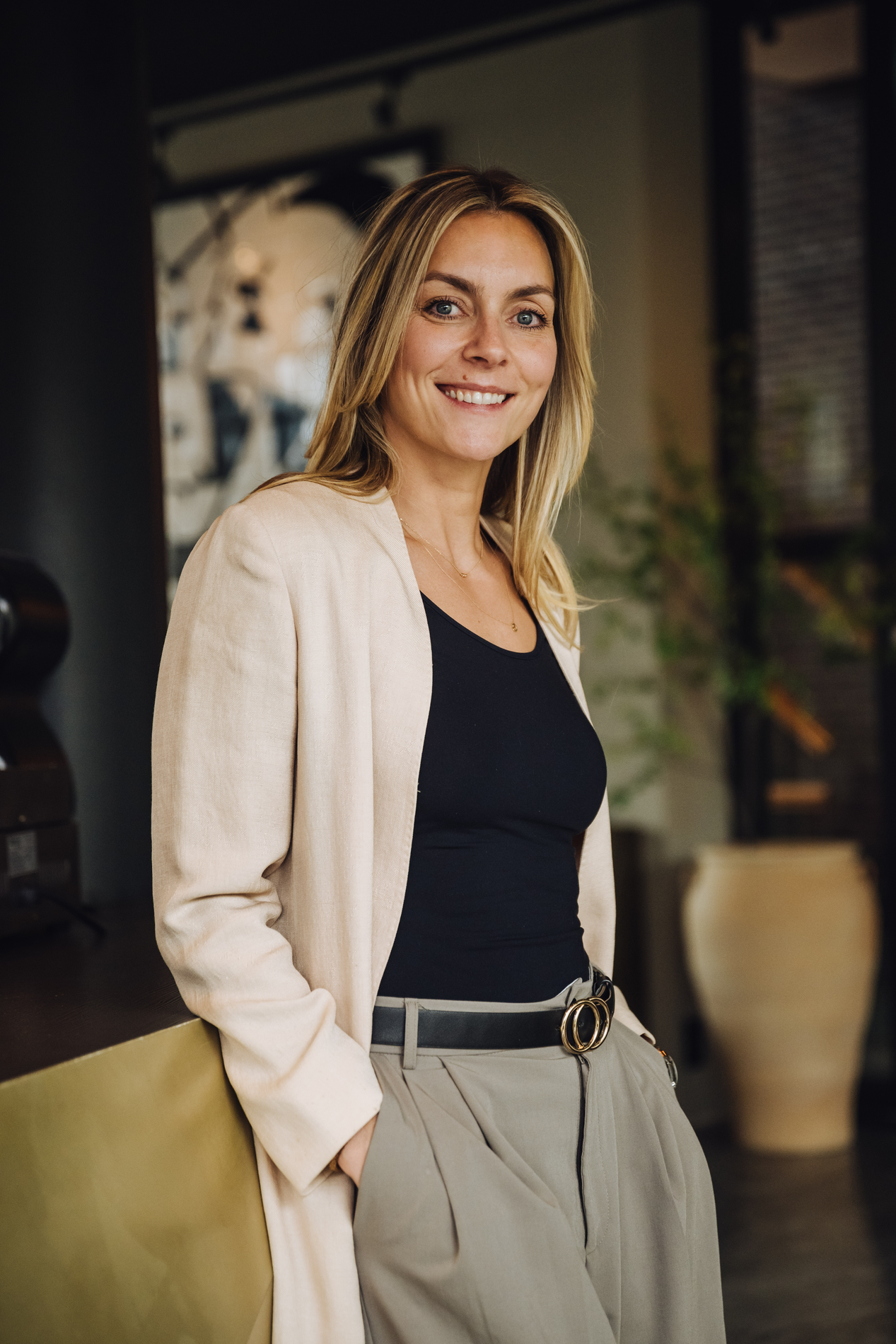
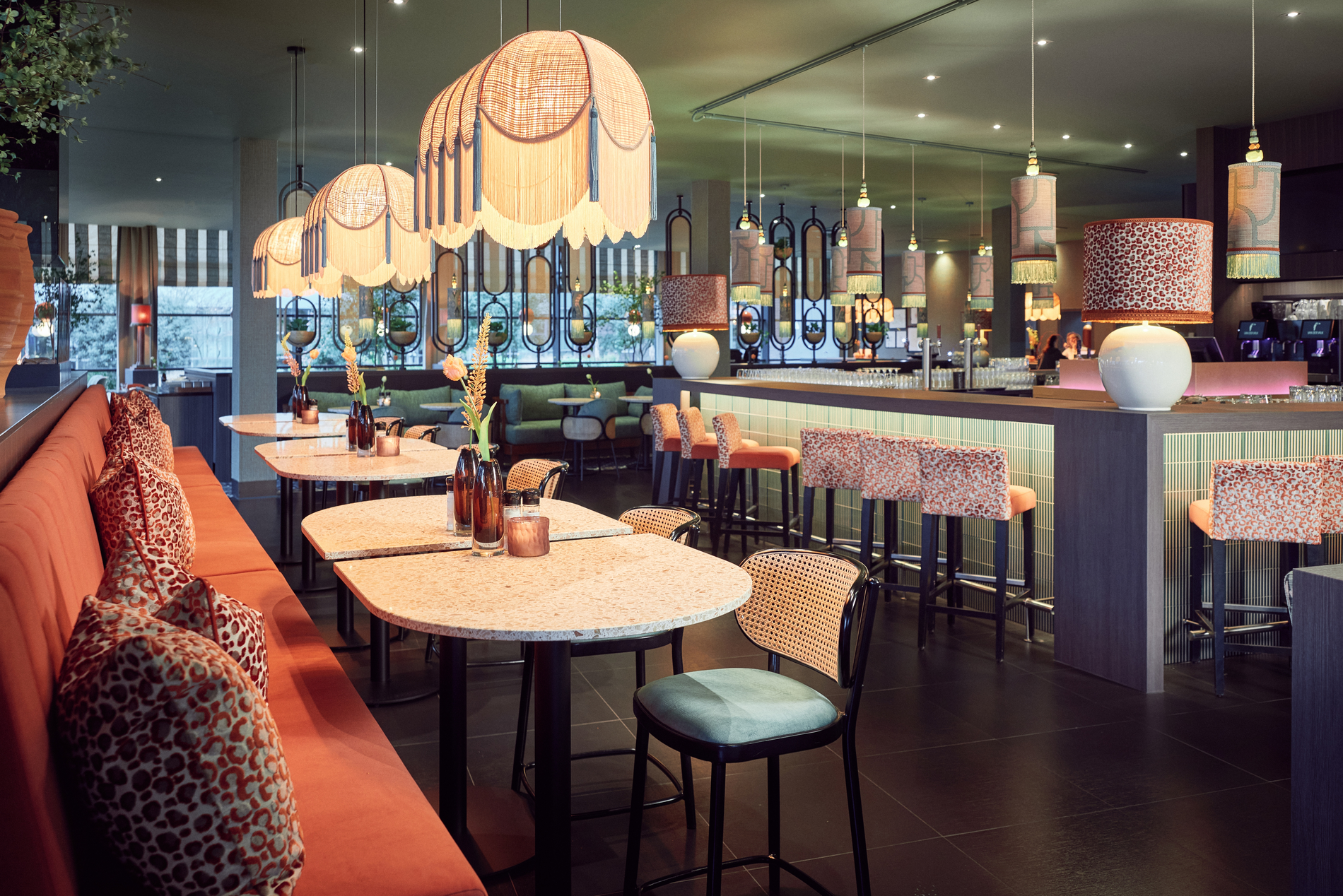
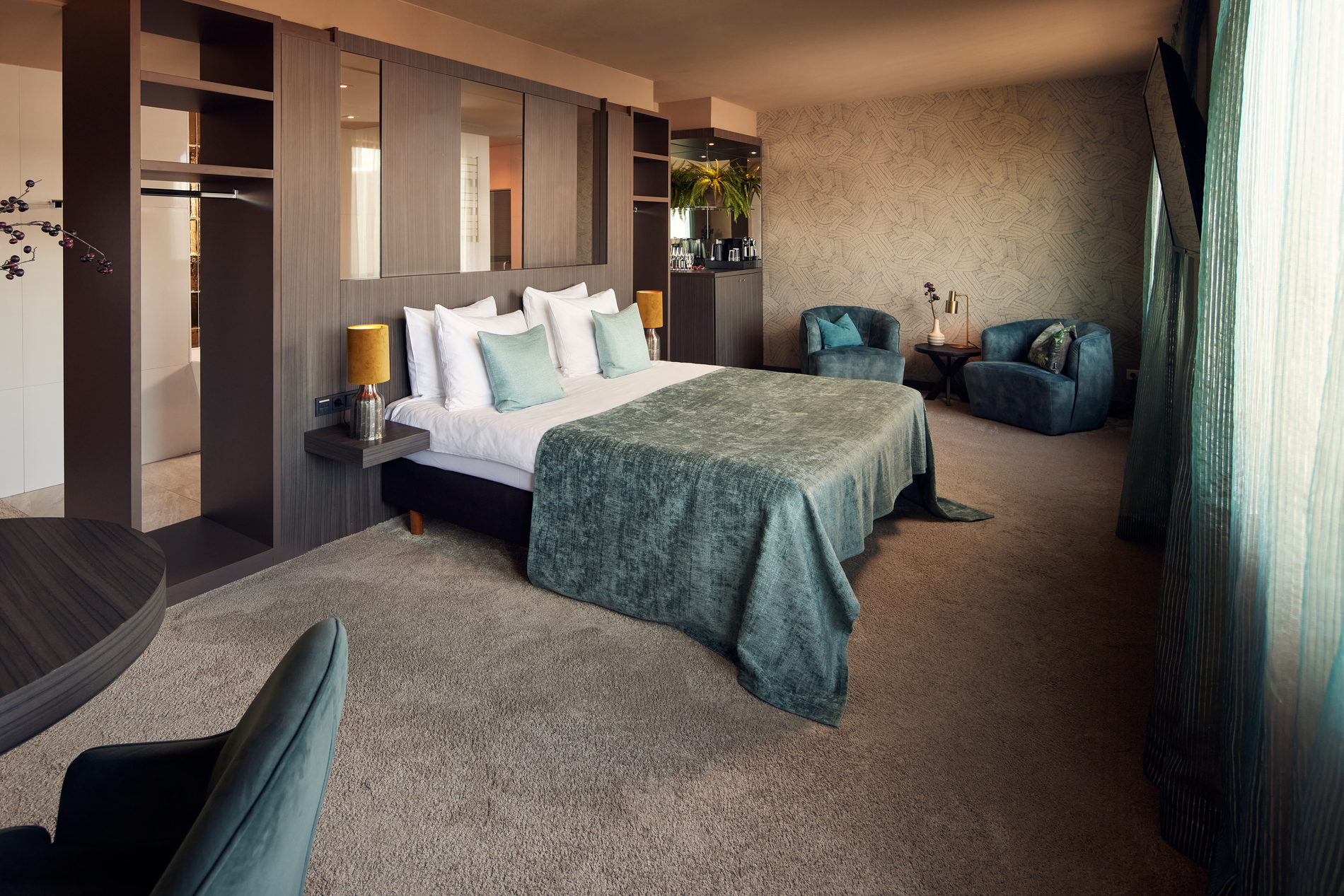
When it comes to leadership, too, Marlijn prefers to play down her reputation. She’d rather be underestimated and then surprise people, than go on and on about herself from day one. When she first started working in Amersfoort, she sometimes wished she could have worn a ‘trainee’ badge. Then you’re allowed to make mistakes, she thinks, and that’s precisely when you can show what you’re capable of. That modesty isn’t a strategy to remain invisible, but a way of taking a good look first and only then deciding where to stand.
At home, her husband Chris keeps her on her toes. He doesn’t work in the hotel industry, and that’s precisely why they have things to talk about. During walks without their phones – often around the Vondelpark – they discuss the hotel, his work, the children and everything in between. Chris challenges her, sometimes – in her own words – a bit too much. But he also reminds her of steps five, six and seven when she’s in a hurry to move forward. For someone who can be impulsive, that’s a welcome counterbalance.
Marlijn wants to carry on the family business whilst also modernising it. It’s not about choosing between the past and the future, but ensuring it keeps moving with the times. In her view, AI is part of that. Through Chris, who is looking into it, she can see how technology can also benefit the hotel. At the same time, she doesn’t want efficiency to take the warmth out of the lobby. She’s good at looking ten years ahead; twenty years feels like a long way off to her. Above all, she hopes that guests will continue to feel welcomed by people, rather than simply being guided smoothly through a process.

At the time of the interview, Marlijn is pregnant with her fourth child. She herself comes from a family of five, just like Chris, and a large family feels like home to them. The first few weeks of this pregnancy were a bit of a worry, but things are going well now. A time like that puts things into perspective, she says. You get more rest, eat more healthily and start exercising again. ‘You only have one chance to do right by this little one.’
Becoming a mother has changed the way she views her own childhood, without her passing any judgement on it. She looks back on it with warmth and holds nothing against her parents. They worked a lot; that was part and parcel of the hotel business and of that era. She herself likes to have breakfast and dinner with her children and put them to bed. Not as a way of settling scores with the past, but as a choice for the present. Whether her children want to go into the hotel business later on is up to them. They don’t live above a hotel, but they do enjoy visiting one and already know many of the staff.
At the end of the conversation, she offers – first jokingly, then very seriously – her advice to people who want to find happiness in the hospitality industry: do what you enjoy, surround yourself with good people, and don’t try to do everything yourself. Keep a close eye on your product and seek out people who challenge you to improve. She values ambition – not necessarily in people who shout about it, but in those whose ambition is evident in their attention to detail and initiative.
“Just be yourself. Be your authentic self.” For Marlijn van der Valk, that’s not just an empty catchphrase. She knows what it feels like when someone else thinks they already know who you are. She knows the power of her name – and its weight, too. But behind that well-known name is someone who used to clean rooms, worked behind the bar, tried a different path, came back and found her own style of leadership in Amersfoort. Van der Valk when necessary, but at heart: simply Marlijn.
Listen to the podcast episode featuring Marlijn van der Valk on Hotelvak, the podcast.
 Nederlands Nederlands
  English (UK)