hotelvak.eu
EN

Platform on hotelmanagement, interiordesign and design in the Netherlands
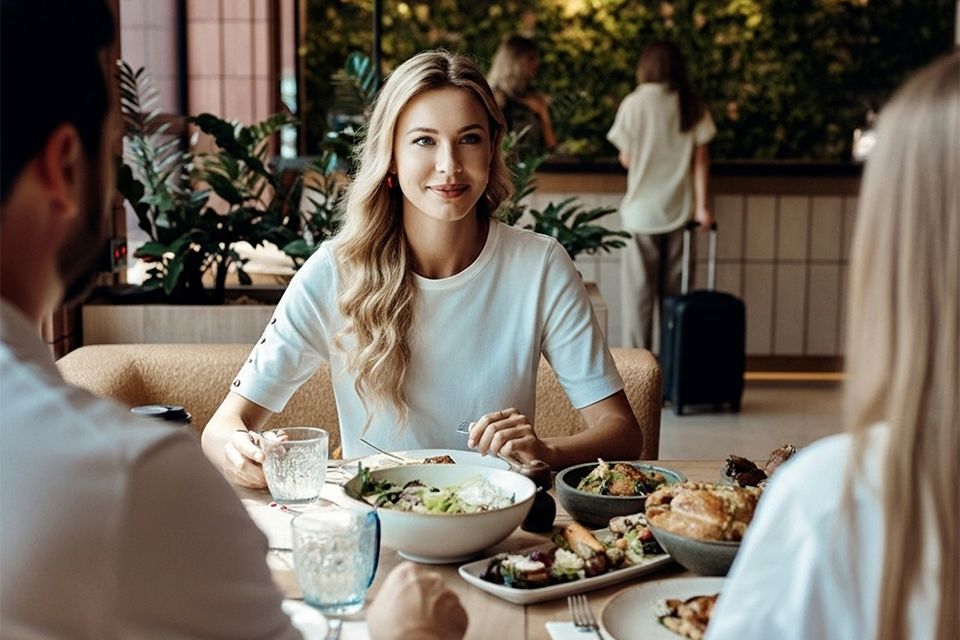
Hotel restaurants are in the middle of an interesting paradox: guests want to choose on their own terms, but at the same time crave a shared experience. This is according to new consumer research by Lightspeed among two thousand Dutch hospitality visitors. For hoteliers looking to position their restaurants more strongly, there are clear opportunities there. Not by adding yet another menu, but by cleverly capitalising on how guests today eat, choose and share.
What is striking is that the hotel restaurant has long outgrown its function as an enclosed facility for lodgers. Almost half of consumers ate in a hotel restaurant during a stay last year, and over a fifth even came there without staying overnight. At the same time, a third did not set foot across the threshold there. That is exactly where space is created: local visitors, business guests and local residents are curious, but need a reason to step inside. A brunch that develops into a weekend tradition, an after-work moment that attracts regulars, or a tasting night that turns the hotel restaurant into a destination - these are examples that automatically lower the threshold.
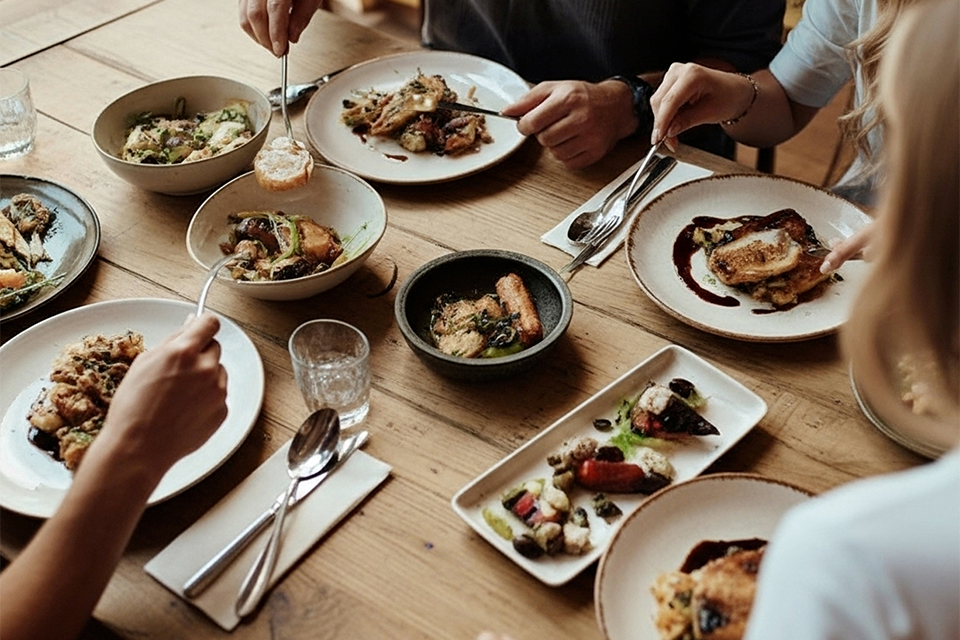
On the menu, preferences are slowly but unmistakably shifting towards flexibility. The classic structure of starter, main course and dessert remains the familiar anchor, but increasingly guests are opting for combinations that better suit the moment. The main course-dessert combination is gaining ground, while tasting menus and shared dining are still mainly niche options. Yet the latter cannot be ignored: almost half of visitors prefer several small dishes to one large main course. It suits the international hotel guest who is curious about local flavours, but also the Dutch visitor who prefers tasting to capturing.
Shared dining itself remains a theme that divides the table. Where young people find the social dynamic attractive, an older generation, on the contrary, values overview and their own choices. For hotel restaurants, this does not require an extreme splitting of the menu, but rather a structure in which both types of guests recognise themselves. A table that orders together will more easily choose extra courses, and young people in particular are influenced by what others order. That very mechanism gives hotel restaurants a chance to turn conversations at the table into higher spending - without it feeling forced.
Price, meanwhile, remains a factor, but rarely the main one. Guests look at the menu with a keen eye, but are not cutting corners en masse. Above all, they want to know what they are getting, and whether it fits within the experience they came for. Packages - from wine pairings to weekend bundles - offer both guidance and value. The trick is to present deals not as a discount, but as a smart way to complete the experience.
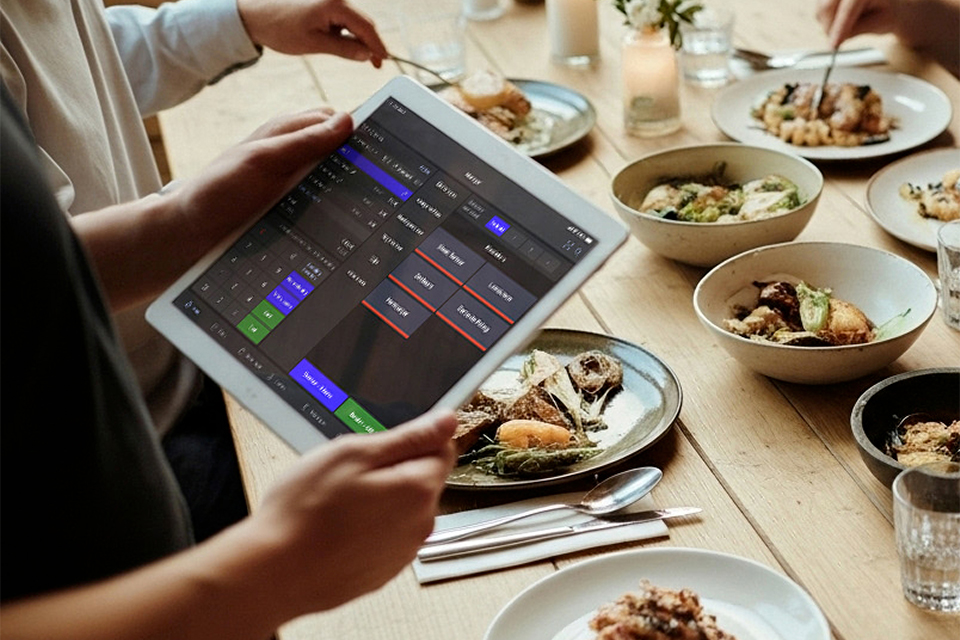
Everything suggests that the modern hotel guest longs for freedom, familiarity and seduction in the same movement. They don't want to choose between personal and together, between classic and innovative, between price-conscious and luxury. They want it to be possible: both, side by side, depending on the moment. Hotel restaurants that manage to strike that balance - with flexibility in the kitchen, attention to the company at the table and a clear sense of quality - become more than just a restaurant. They become a reason to walk in.
Those who want to translate research insights into daily practice can start with small interventions. Consider a menu that allows for both set choices and small dishes that invite sharing. Emphasise local products and stories to also win over local residents. Develop arrangements that respond to group dynamics; from friends' menus to business nights. And keep using data: what guests order often tells you more than what they say they want.
Neem dan rechtstreeks contact op met Lightspeed Commerce.
 Contact opnemen
Lightspeed's complete enterprise platform enables global entrepreneurs to simplify, scale up and deliver exceptional experiences. Our POS system is designed for hospitality entrepreneurs with ambition. Forget business as usual: we give entrepreneurs the tools they need to challenge the status quo.
View Company profile Nederlands Nederlands
  English (UK)