hotelvak.eu
EN

Platform on hotelmanagement, interiordesign and design in the Netherlands
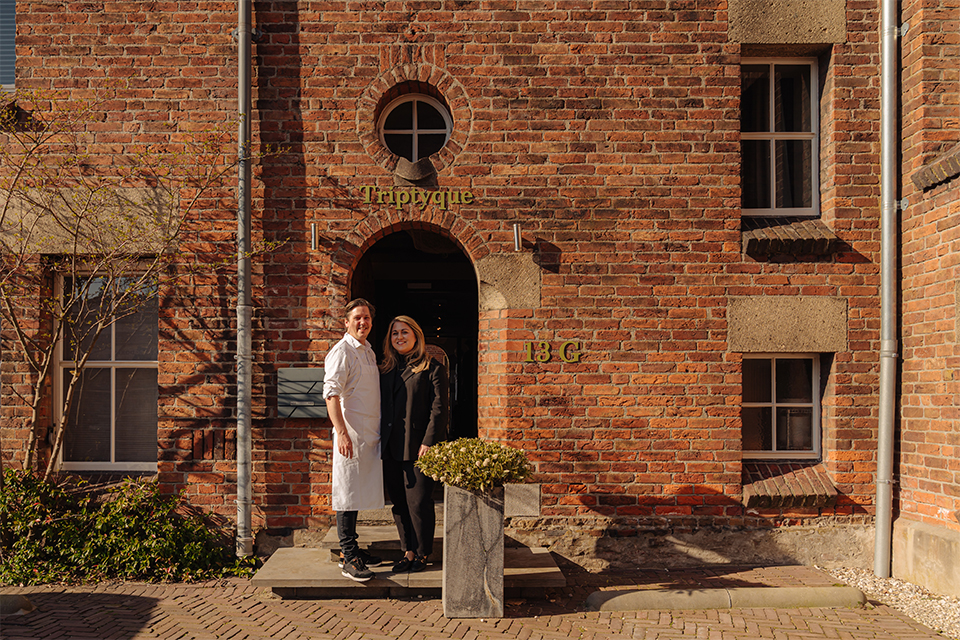
At the Michelin-starred Restaurant Triptyque in Wateringen, named Vegetable Restaurant of the Year 2026 by Gault&Millau, vegetables have played the leading role for years. Chef Niven van Bronckhorst-Kunz and co-owner Virginie van Bronckhorst-Kunz work according to the 80/20 principle: 80 per cent vegetables on the plate, complemented by 20 per cent fish or meat. This approach to cooking was by no means a given when the restaurant first opened, but has since secured a firm place within the world of fine dining. This approach demonstrates how innovation arises at Triptyque: from a clear vision of cooking, with the produce and the chef’s creativity as the starting point. At the same time, professional kitchens are becoming increasingly sophisticated and precise. The question is therefore not whether technology plays a role, but where that role ends. When does technology enhance craftsmanship, and when does it threaten to take over the chef’s creativity and intuition? In conversation with ATAG, Niven and Virginie share their vision of the balance between craftsmanship and innovation in the kitchen of tomorrow.
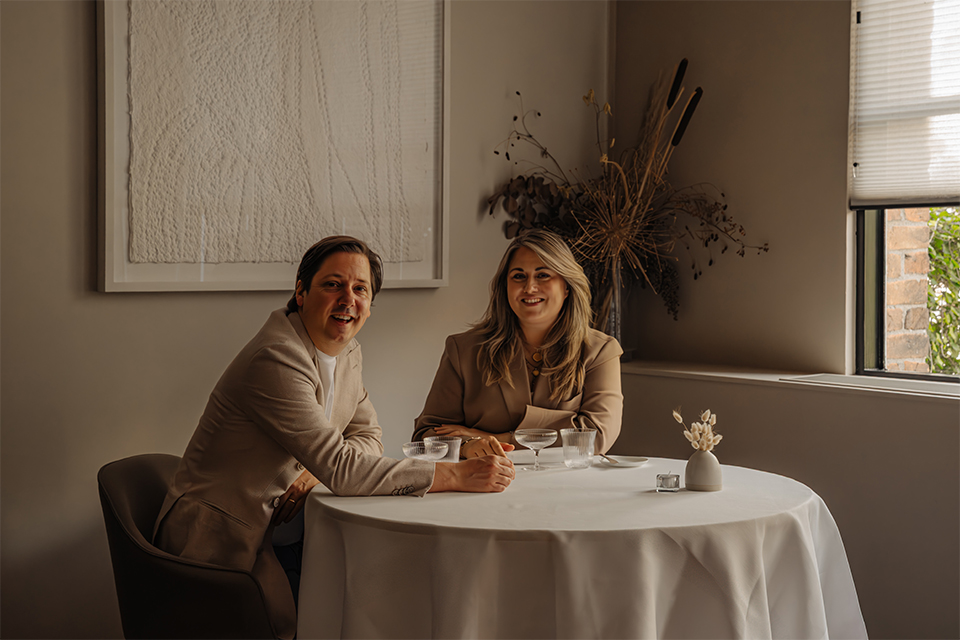
‘You never come up with a dish just because an oven can do something’, says Niven. ‘It works the other way round: I start with the ingredient and then work out how best to prepare it and what techniques I have at my disposal to do so.‘
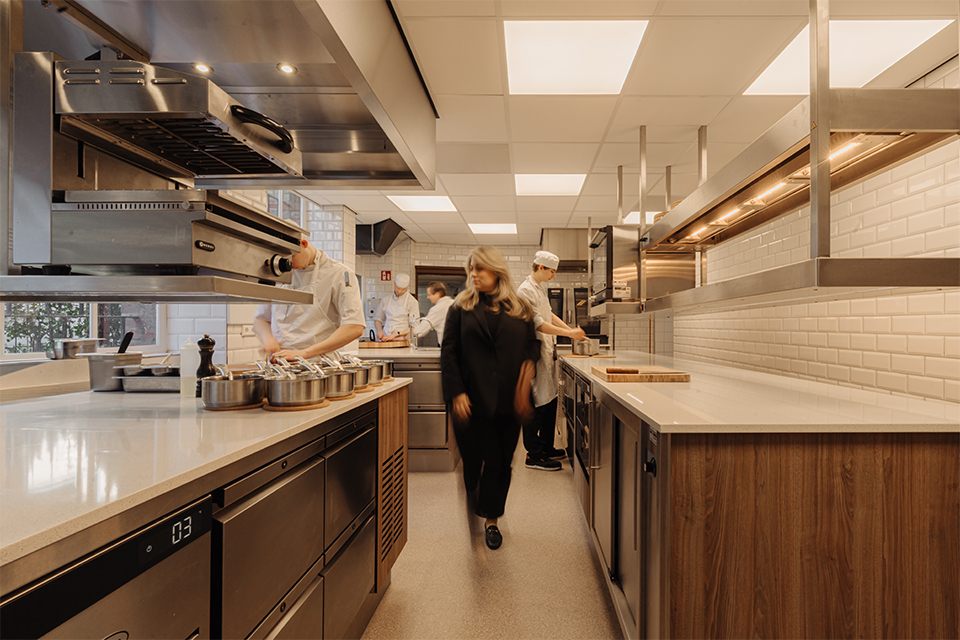
Triptyque has recently undergone a refurbishment, which included a complete overhaul of the kitchen. Since the new kitchen opened, the Triptyque team has been able to control cooking processes down to the exact degree. For example, salmon can be cooked to the exact desired temperature. This precision does not change where a dish begins, but it does change how a culinary idea can be developed. ‘If you can prepare something more precisely, you’ll work differently too’, Niven explains. ‘You’ll have more opportunities to put an idea into practice and further refine a recipe.’
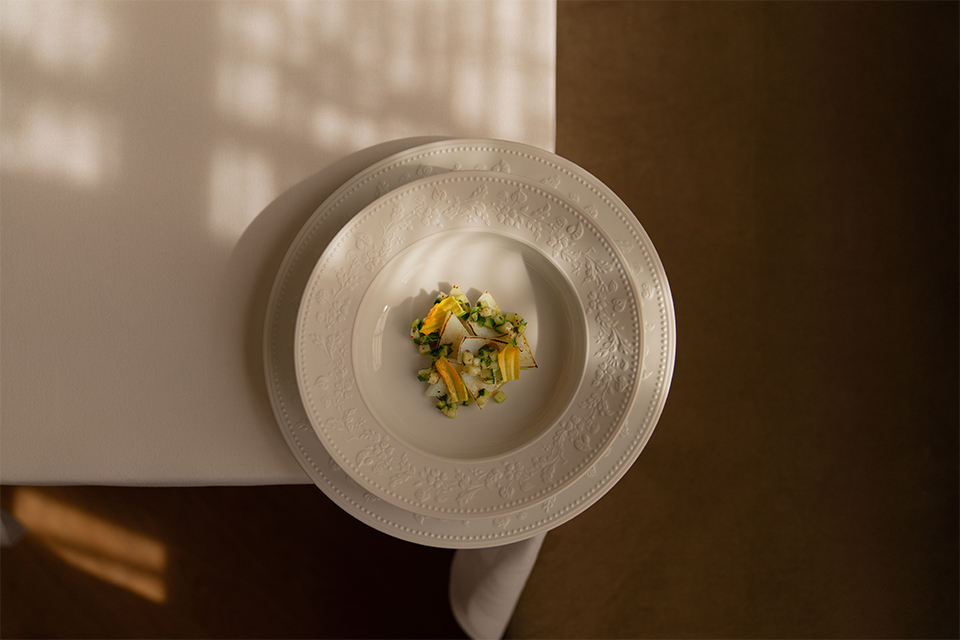
Greater technical capabilities do not, therefore, automatically lead to greater creativity, but they can provide scope for exploring new cooking methods. It is precisely in this approach that Triptyque and ATAG find common ground: craftsmanship remains the foundation, whilst smart support helps both professionals and home cooks to cook with greater precision and care.
According to Niven and Virginie, not every development is automatically an enrichment. They see a particular risk, given the rapid rise of artificial intelligence, that new possibilities will be utilised without the necessary expertise being in place.
‘More and more young chefs are using ChatGPT to look up complex molecular techniques, whilst they don’t know how to sear a piece of meat or boil a simple potato’, says Virginie. ‘Then you’re skipping the whole foundation. AI can be a valuable tool, but it shouldn’t replace that basic knowledge.’
It is precisely a knowledge of ingredients and flavour combinations, combined with a good command of fundamental cooking techniques, that makes it possible to apply new techniques in a considered way. Only then does innovation enhance craftsmanship, rather than replacing it. This applies not only to the cooking itself: attention to the guest and the creativity behind every dish remain the work of human hands.
The fact that, according to Triptyque, innovation begins with vision and product is evident from the 80/20 principle that Niven has been applying for years. This approach centres on sustainability and culinary quality: less meat and fish, and a greater focus on vegetables and carefully selected ingredients. What was once considered innovative – and sometimes met with resistance – has now become a much more established part of the fine dining scene.
‘For me, the challenge lies in elevating a potato, a leek or a beetroot’, Niven says. ‘As a chef, you can be much more creative with that than if you start with lobster or langoustine.’
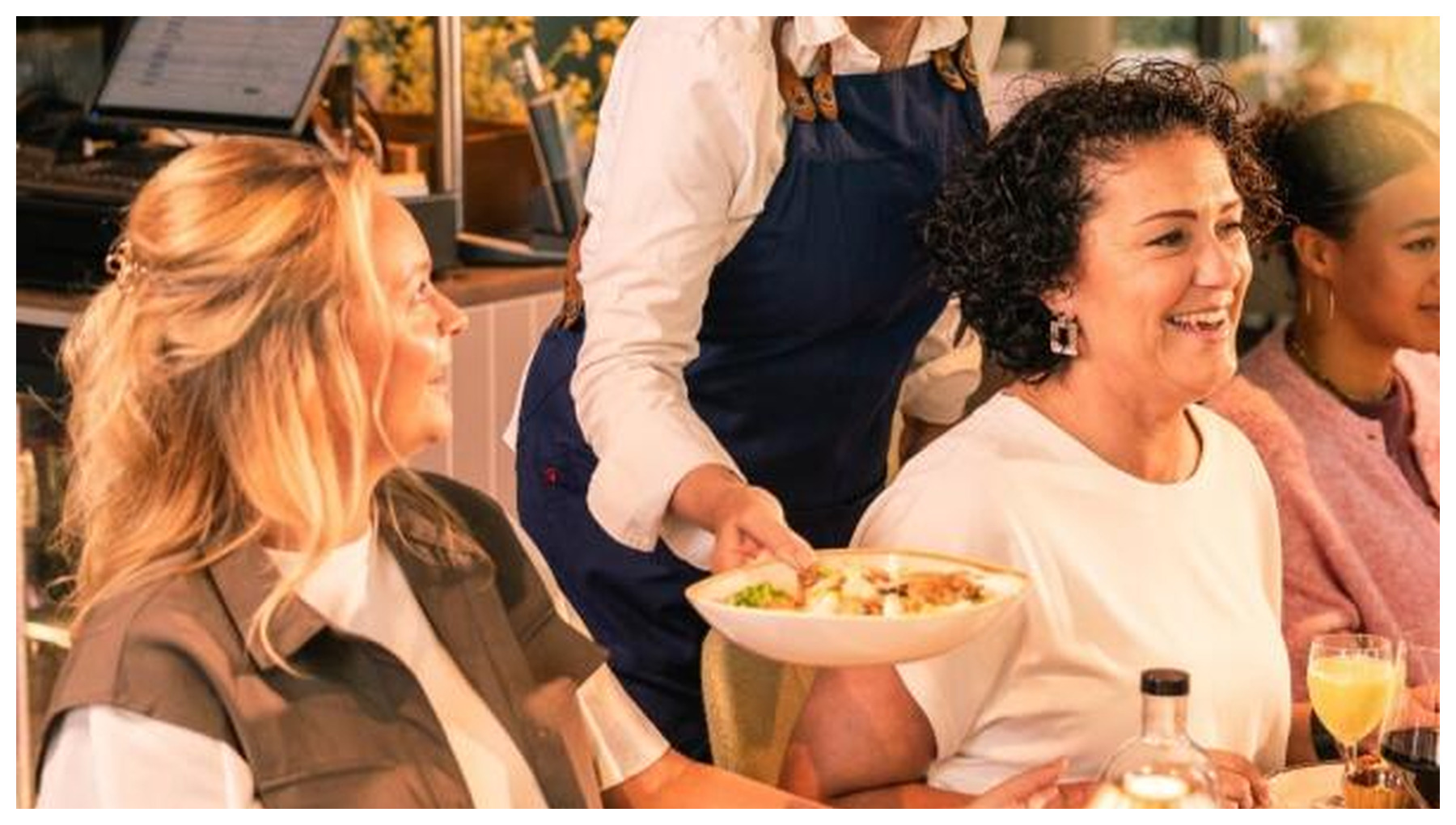
It is not just what is on the plate that is changing; guests are also seeking greater freedom in the way they dine out. Whether it’s a compact three-course lunch, a few smaller dishes in the evening, or a full-course dinner: the choice of meal must suit the occasion. ‘People want flexibility’, says Virginie. ‘They don’t want to spend any more time sitting at the table if they don’t feel like it at that moment.’
At present, affordability is playing a greater role in guests’ choices. According to Virginie, this leads not only to a greater need for flexibility, but also to more conscious choices: better to have less, but of a higher quality.
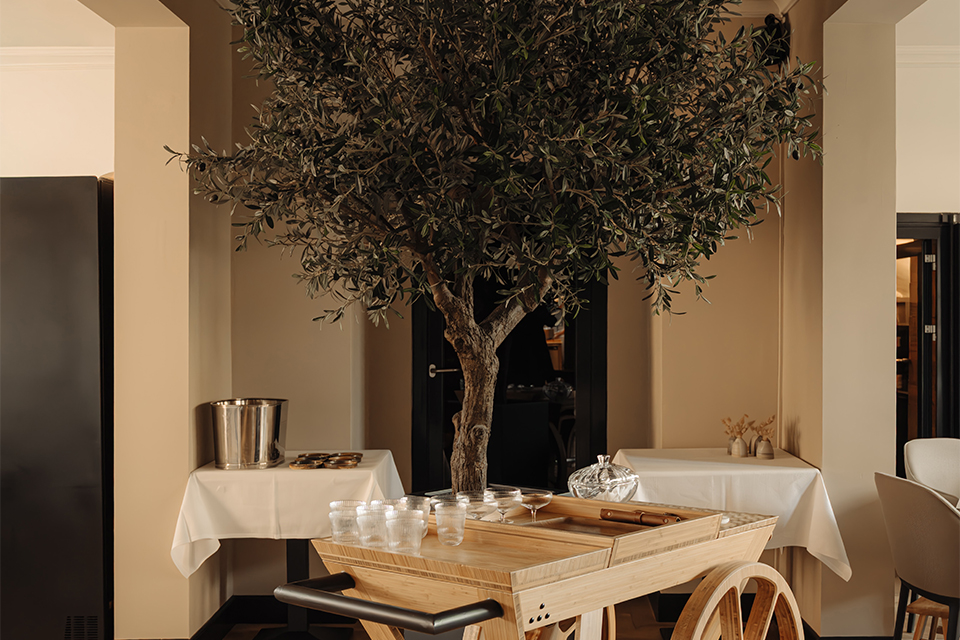
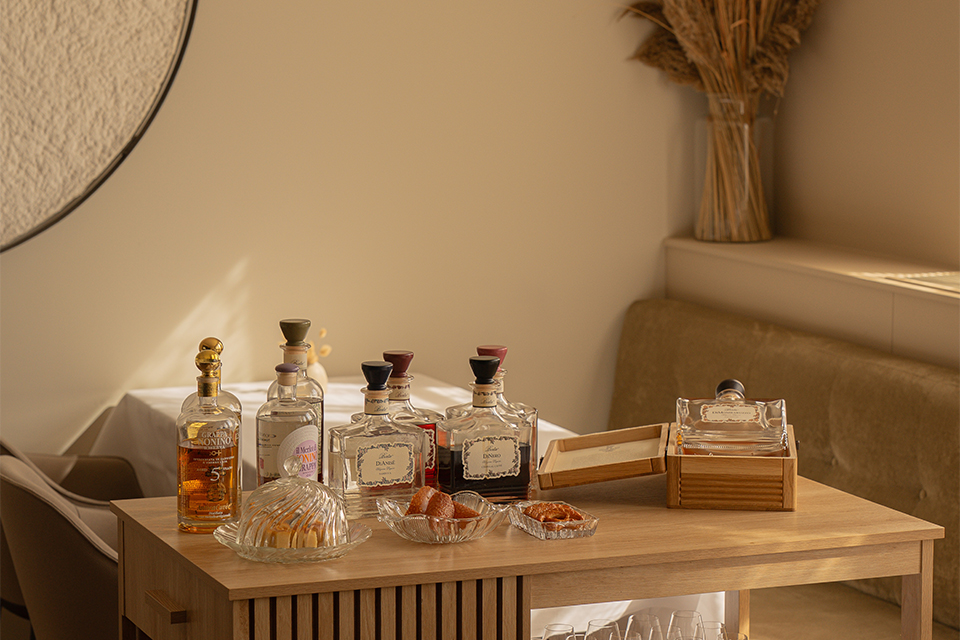
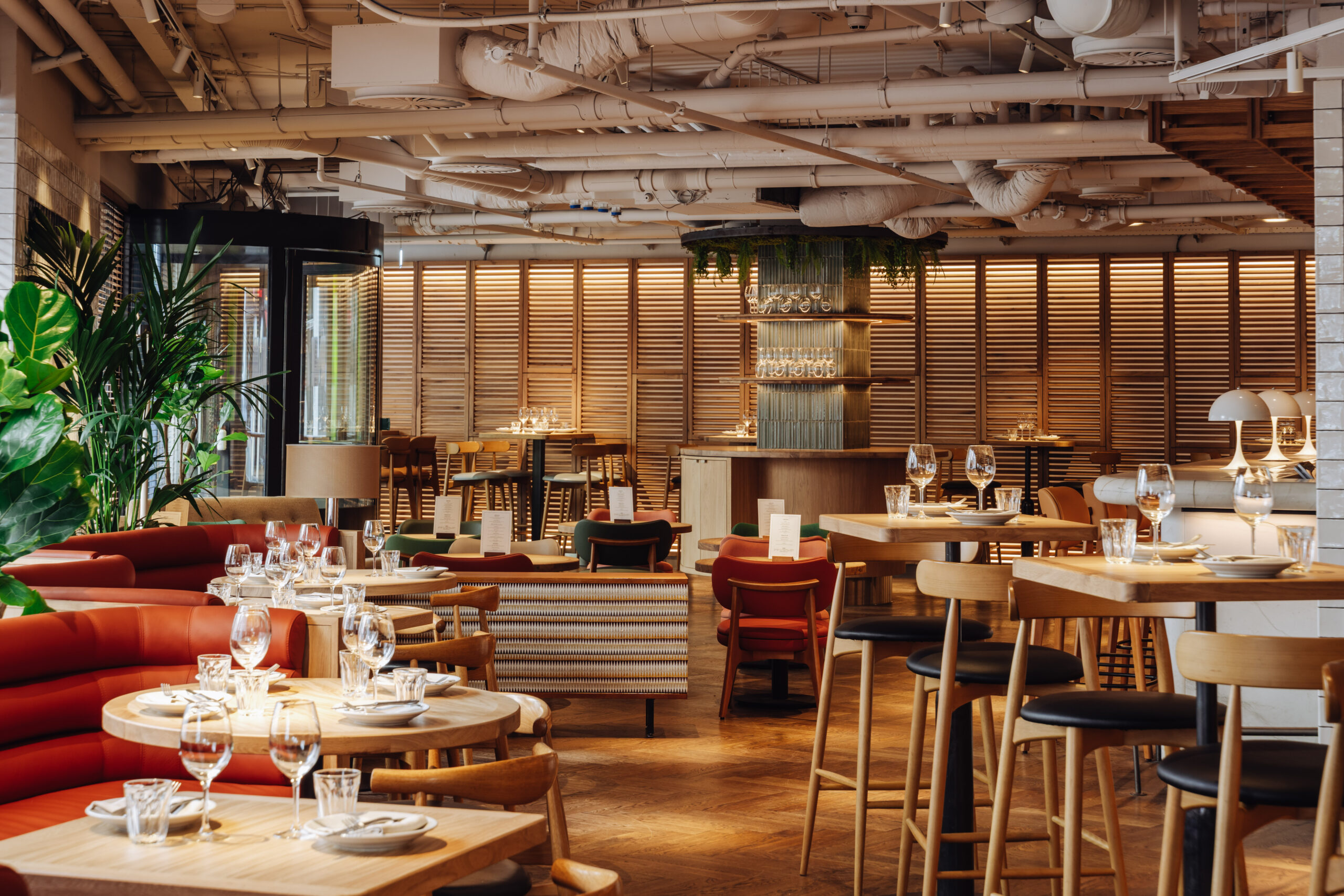
This combination is also evident in the restaurant itself. Triptyque has installed three ATAG 3-zone wine climate cabinets on the premises, in which wines are stored under precisely controlled conditions. The wine climate cabinets complement the open layout of the restaurant, where guests can see the sommelier at work right in the centre of the dining area.
ATAG’s Dutch origins also play a part. ‘We enjoy working with local products and partners. The fact that ATAG is a Dutch brand makes this partnership particularly suitable for us.’
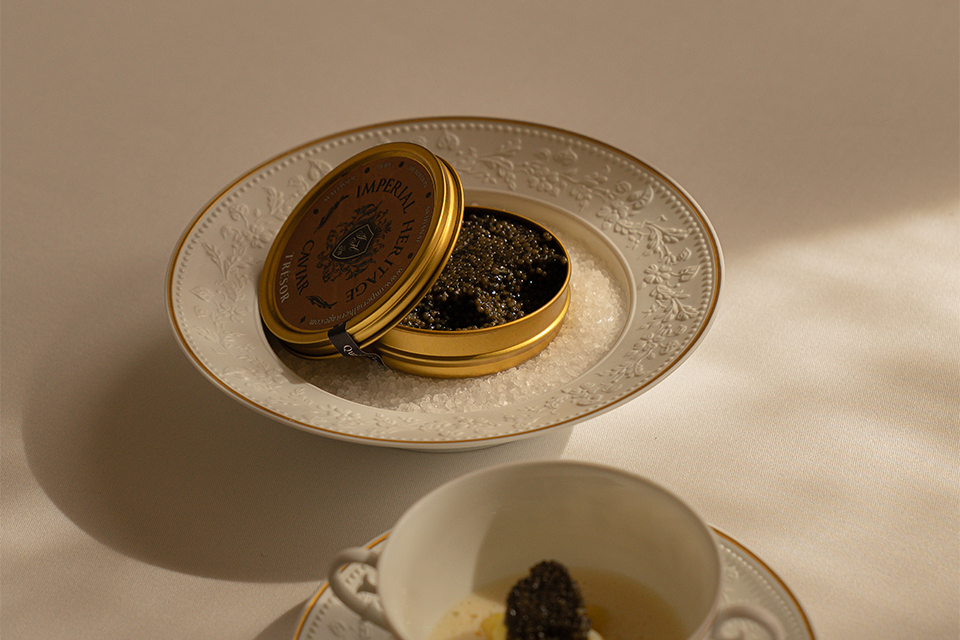
Looking ahead, Niven and Virginie remain true to the conviction with which they set out all those years ago. ‘I still firmly believe in the 80/20 rule’, says Niven. ‘Less meat and fish, but make sure it’s good quality.’
According to Triptyque, the future lies not in ‘more’, but in ‘better’: a greater focus on vegetables and a greater appreciation of the quality and provenance of ingredients. At the same time, Niven and Virginie hope that the barrier to fine dining will continue to break down.
‘Many people find dining at a Michelin-starred restaurant a bit daunting or too posh, even though the dishes often feature very familiar ingredients,’, says Virginie. ‘I hope it becomes more common to pop in for a three-course meal as well.’
 Nederlands Nederlands
  English (UK)