hotelvak.eu
EN

Platform on hotelmanagement, interiordesign and design in the Netherlands
Young people and hospitality businesses choose timeless styles from Alsace
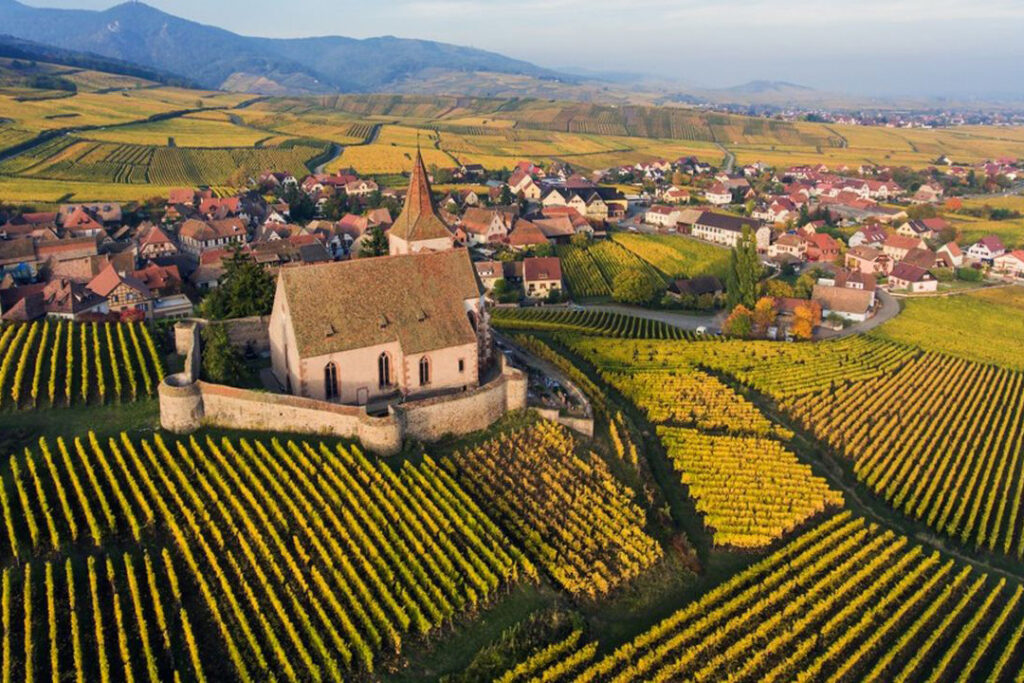
The wine world is constantly changing and the Dutch market is also changing with it. Whereas in recent years much attention was focused on natural and modern styles, there is now growing interest in sustainable and timeless quality wines, of course preferences differ by generation. For instance, it appears that interest in wines from Alsace has increased over the past two years, especially among younger consumers.
The popularity of Alsace wines is growing especially among wine lovers between the ages of 20 and 30. They prefer wines with personality and identity, which feel honest and are not made to follow a marketing trend, according to wine importers and Alsace connoisseurs Jurgen and Erwin van der Sloot of Domaine Alsace. Demand for wines from Alsace has also increased in restaurants, especially bistros in the Randstad region. Crémant and Riesling are clear favourites here. The fact that Alsace produces many organic and biodynamic wines reinforces this rise. The region combines a favourable climate with centuries-old traditions in sustainable wine production.
Other findings by Jurgen and Erwin of Domaine Alsace are that Riesling is much better in the Dutch market than it was a decade ago and that Pinot Noir is slowly gaining popularity, especially the more expensive bottles and Grand Crus. Pinot Blanc remains popular in restaurants, but Riesling is clearly taking over ground.
Earlier this year, wine professional Cees van Casteren (MW) also expressed positive views on the development of wines from Alsace, following a wine trip in April. Prior to his visit, he was sceptical and expected many wines with residual sugars. "My recent wine trip to Alsace proved that the image of sweet Alsatian wines is outdated. Instead, there are many dry Rieslings being made that ripen beautifully. Moreover, the Crémants from this region are a wonderful and affordable alternative to champagne," Van Casteren said.
Benjamin Roelfs, Alsace expert and former sommelier, sees the same development. "The region is clearly growing out of the old-fashioned notion that Alsace wines would all be sweet," he says. "Because that is simply not the case, increasing consumption actually matches expectations." Benjamin, who is currently working on a book about Alsace, like Cees and the men from Domaine Alsace, recognises the emerging trend around Crémant. "Crémant is now really breaking through as a full-fledged alternative to Champagne," he says. "Champagne is becoming increasingly expensive - like everything else, really - so Crémant is an excellent alternative."
The Dutch market shows that wines from Alsace are making a convincing comeback. Young consumers appreciate the authenticity, tradition and versatility of the region, while professionals like Van Casteren are definitely leaving behind the outdated image of sweet Alsace wines. In doing so, Alsace confirms its position as a wine region that is timeless, sincere and surprisingly up-to-date.
 Nederlands Nederlands
  English (UK)