hotelvak.eu
EN

Platform on hotelmanagement, interiordesign and design in the Netherlands
In summer 2026, Zwolle will gain a new boutique hotel. Hotel Florès combines 28 rooms with a bar concept and consciously chooses a warm, layered interior, giving each room its own atmosphere. Hotel manager Roos Steenbruggen and entrepreneurs Paul Bredewout and Martin Binnendijk are jointly building a concept in which guest experience, level of detail and the city of Zwolle play a central role.

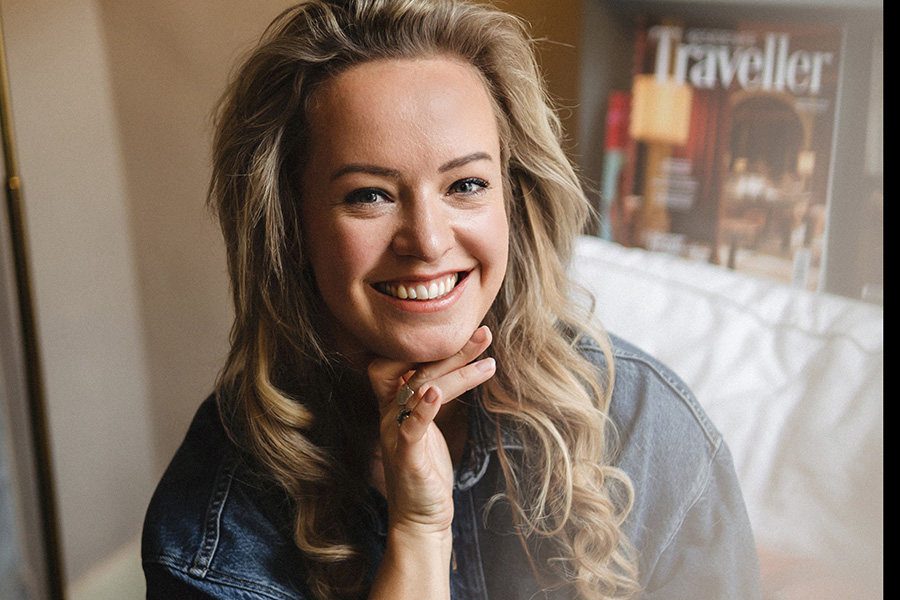
Her love for hospitality started during her studies at the Hotel School. During an internship in Amsterdam, she noticed that she was energised by the work on the floor, but also by the overall picture: atmosphere, concept and how to seduce and surprise a guest. “Hospitality is really my passion,” she says. “I also found it interesting how you establish such a concept and make it visible.” From that fascination, she started The Hospitality Show on Instagram, through which she wanted to show inspiring hotels and hospitality concepts.
The real click with boutique hotels came in Deventer. “I cycled past a big white building and immediately thought: how cool would it be if you started a boutique hotel here,” he says. A few months later, a canvas hung there with exactly that message. Through the owner, she ended up at Boutique Hotel Finch, where she started working as an assistant hotel manager. “That's where it really started,” she says.”
At Finch, she discovered how broad hotel management is in practice. “You have to keep an overview and constantly look in 360 degrees: what would you notice as a guest? Is the pavement neat? Is it messy at the entrance?” According to her, the difference between a good hotel and an excellent one is often in small details, but also in the way you manage a team. “The biggest challenge is not to just go and do it yourself. Of course I am there, but first I have to make sure that others do their job too. Learning to delegate, I'm very consciously working on that now.”
She says what sets boutique hotels apart is the personal atmosphere and visibility of the entrepreneur. “You feel the soul of the people who put it down. There is almost always a familiar face. That makes guests feel special.” The interior also plays an important role in this. “Not furnished by a megaparty, but with personal items, art collections and beautiful local brands. I find that super inspiring.” For Steenbruggen, that also includes a bar or lounge that invites you to stay. “Then you make contact more easily and more connection is created, also between guests.”


After Finch, she temporarily stepped out of the industry and travelled through Asia. Through an unexpected opportunity, she eventually landed on Bonaire, where she started working as a manager at beach club Ocean Oasis. “The hospitality industry is great, but here I still missed the hotel business,” she says.”
A period in sales confirmed that feeling. “It was a lot about targets and bonuses. That didn't suit me.” So when the owners of Hotel Florès approached her with their plans, she was immediately excited.
As hotel manager, her role in Zwolle is different from that at Finch. Whereas then she was mainly on the floor and could spar a lot with an owner who had hospitality experience himself, now she has to oversee the total. “I have to look ahead overall, manage and turn the right buttons, also in terms of revenue.”
At Hotel Florès, she especially wants to build a guest experience that goes beyond ‘well taken care of’. “It should always be clean and tidy, but guests mainly remember what surprises them.” At Florès, she therefore chooses, among other things, to have her own guidebook with tips for the neighbourhood. “What to see, where to eat and drink insanely. Things like that make it personal.”
Bredewout has been working with supermarket formats such as C1000, Albert Heijn, Etos and Gall & Gall for many years and also got involved in property development. Binnendijk has been in the supermarket business since 2009 and currently runs two Jumbo stores. The move towards the hotel business was triggered by a real estate opportunity: a former office building in Zwolle with space for flats and a hotel.
“As a developer, you can rent out or sell such a property, but we actually liked doing it ourselves,” says Bredewout. “It was a new step, but you just have to take that step. If you don't start, nothing ever happens.” That it became a boutique hotel was partly a matter of scale. “We don't have mega space. This offers an opportunity to put something different than a standard hotel chain.”
In doing so, entrepreneurs are not only stepping into a new sector, but also into a different way of working. Retail and hospitality have similarities, but in practice there are also many differences. “In the supermarket, you can call in the head office for many things. Here, you have to think of everything yourself from scratch: the logo, the name, the image,” says Binnendijk. Bredewout especially recognises the level of detail. “The further you get in the process, the ‘smaller’ the decisions become, like the location of a wifi box. It's a sum of a lot of choices.”
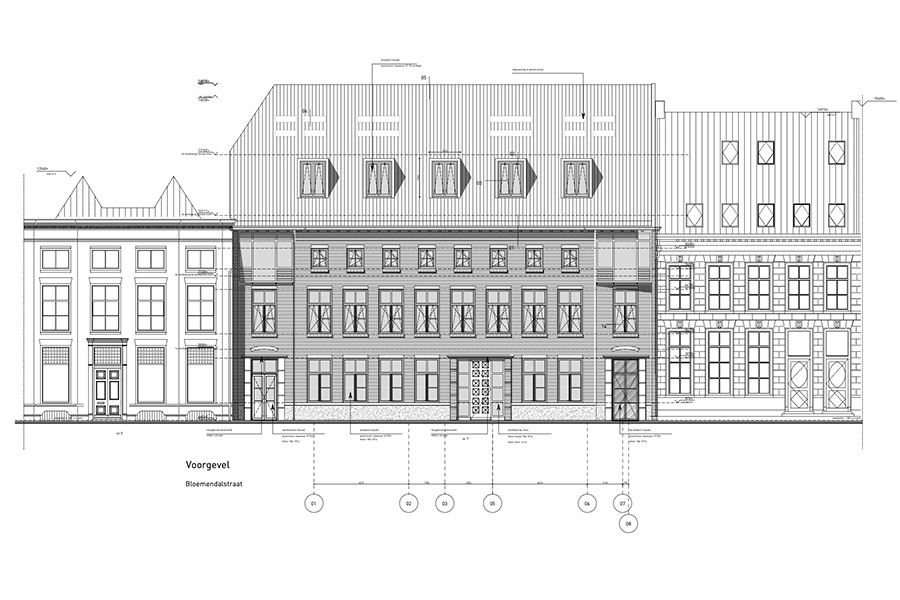
Precisely because the project is in the city centre and is being realised in a historic building, it also involves a lot of customisation. “Starting in the middle of Zwolle is a logistical puzzle,” says Bredewout. “And in historical buildings you more often have to solve things by hand.”
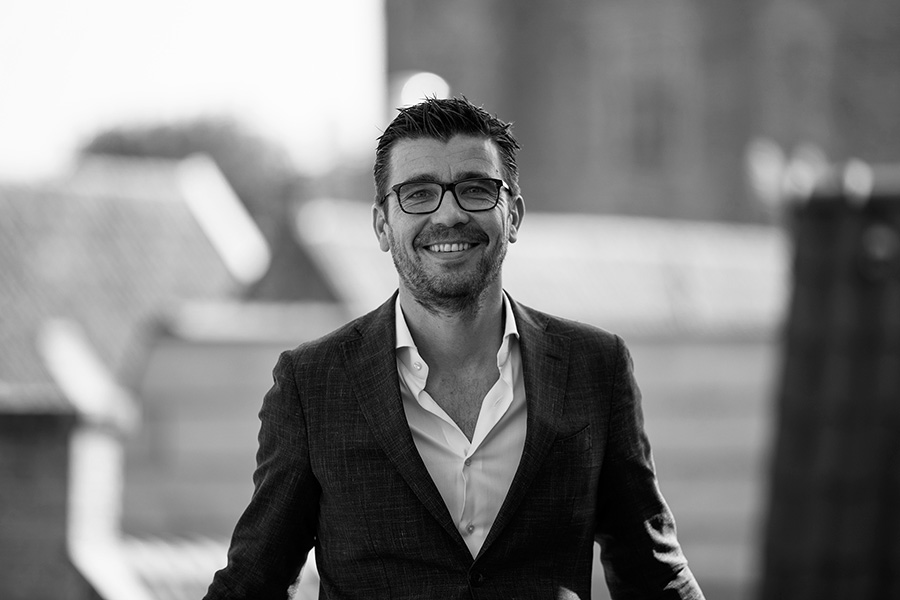
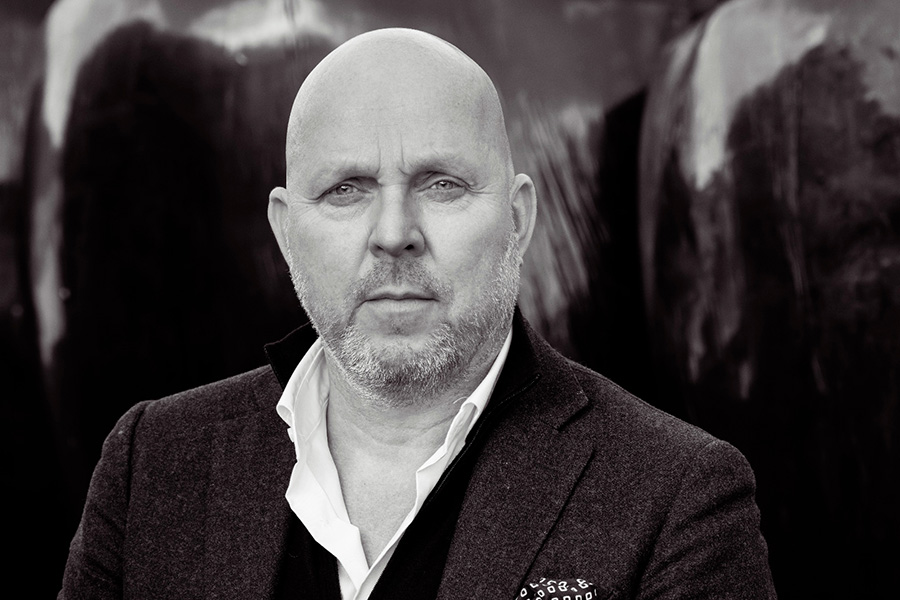
Instead of trying to invent everything themselves, Bredewout and Binnendijk deliberately built a team around them. “You have to bring all the worlds together. We have good support from design and layout, and with Roos we have a hotel manager who understands the practice,” says Bredewout. Binnendijk calls that one of the biggest pluses: “Everyone does their own piece. Our job is mainly to turn it on and make sure everything is right.”
The division of roles between the two is now clear. Binnendijk expects to be mainly operationally involved. “I am most curious about the guests” reactions. How will they appreciate it?“ Bredewout focuses more on the preconditions. ”We will make sure the foundation is in place, so that Roos will soon have a nice platform to work with."
Although the hotel sector is new to them, they see the trajectory mainly as a typical entrepreneurial process: learning by doing. “Plan A is still the same, but you get advice on what image you want to project,” says Bredewout. They don't rule out that it won't stay with just one hotel. “But we are concentrating on this Florès first. We have yet to start at the end of the day.”
Storytelling plays a central role in the brand's positioning. Florès describes itself as an ‘interior design hotel’ and uses the slogan ‘Escape the ordinary’. With this, the hotel targets guests who consciously choose character, atmosphere and a stay that goes beyond just a room.
The brand identity refers to Zwolle. The logo is based on the Zwolle tulip, an element that symbolises blossoming and renewal. The texts surrounding the concept also portray Zwolle as “our backyard”, highlighting historic streets, makers' studios, hidden bars and cultural hotspots.
The interior is an important part of the overall experience. The brand book shows a clear style direction: warm tones, botanical illustrations, rich materials and a nostalgic underlay. The look-and-feel is built around wood, brass, textiles and stone, combined with vintage accents and striking prints. In doing so, the hotel deliberately does not opt for a minimalist or neutral hotel style, but for a more pronounced boutique look.
Hotel Florès will have a total of 28 rooms, divided into five different categories. Besides compact rooms, there are also more spacious types, including rooms with a freestanding bath. For guests travelling with three people, there are triple rooms. Families can book two rooms that are interconnected.
In the design, colour plays a clear role. Instead of a single uniform hotel style, several colour worlds are used, which recur per room in upholstery, tiles, curtains and furniture. This gives each room its own character, without fragmenting the concept.
The interiors are provided by Anna + Nina, who are the main supplier responsible for the hotel's interior design. For the
Amsterdam lifestyle brand, this is the first time it has decorated a hotel from start to finish. Even smaller elements, such as accessories and bar and room details, contribute to a recognisable signature.
For the realisation, Florès is working with Knol Bouwgroep as construction partner. Mariken Wiegerinck of Stekkie Amsterdam is responsible for the architect's drawings and Machteld van der Werff is project leader from A+N. Van Gestel Installaties is responsible for the installations on the ground floor, including kitchen and bar, while United will take care of the installations in the other parts of the hotel. Hoogeslag Totaal Interieur is taking care of the construction of the bar and Admiraal is realising the customisation in the hotel rooms. The built-in benches in the bar are manufactured by Leta.
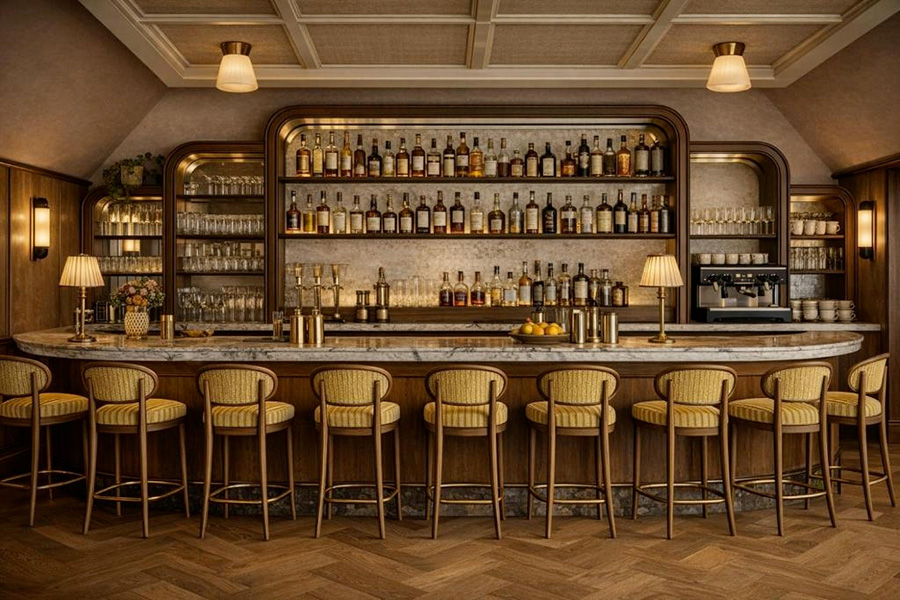
An important part of the set-up is the bar. It will not be given the role of supporting facility, but should become a place where guests can retreat, stay and meet. One of the owners puts it as follows: “We first considered making it a serving point, but then you miss the emotion. Now it will be a place that invites you to linger with a glass of wine and a book.”
This will give the bar a living room function within the hotel, but it will also be accessible to visitors from the city. The concept focuses on breakfast, coffee, lunch and drinks, not an extensive dinner restaurant. The location in the city centre, with many catering establishments in the immediate vicinity, plays a role in this.
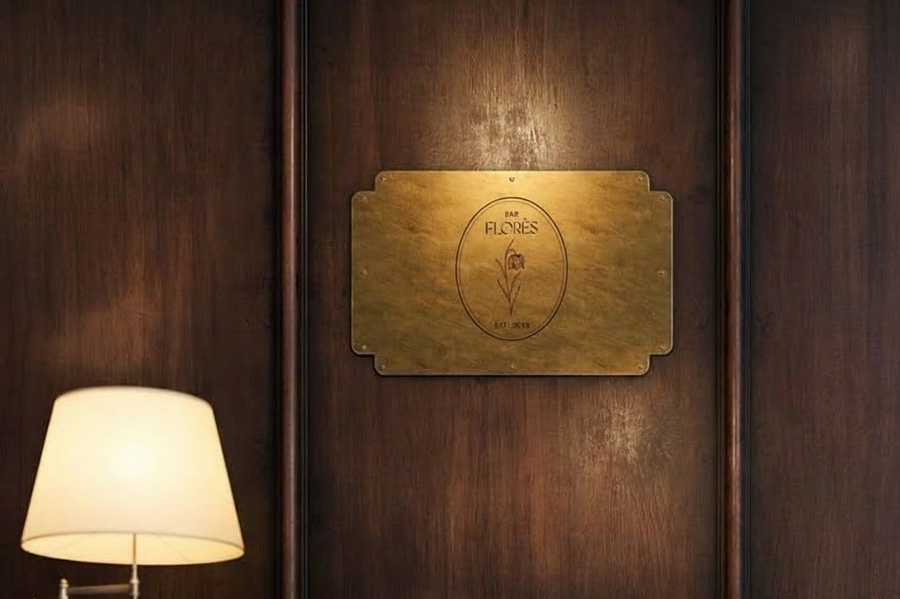
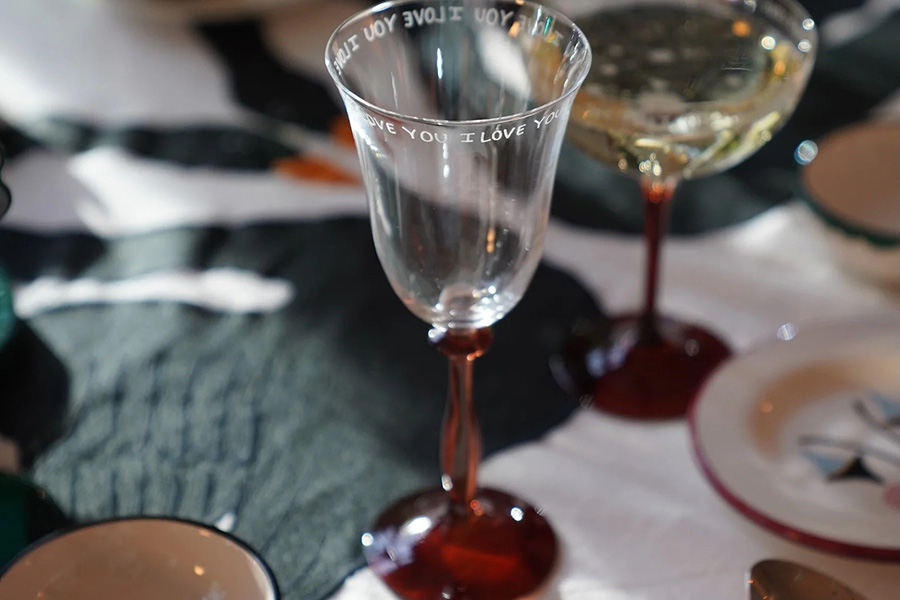
The brand book shows Florès' commitment to a cohesive guest journey, where small elements contribute to recognition and ambience. Think own minibar and room materials, notebooks, guest information boxes and bathrobes with logo. Branded details are also worked out in the bar, such as cards, matches, napkins and even a stamp for ice cubes. Outside, visible recognition is used, such as a brass facade sign and a flag.
In addition, the concept includes a curated guide: a selection of addresses in Zwolle that matches Florès' style and taste. This makes the city an active part of the experience and encourages guests to explore outside the hotel.
With that combination of interior design, detail level and an open bar concept, Hotel Florès positions itself as a boutique hotel that not only steers for overnight accommodation, but also for quality of stay and atmosphere.
 Nederlands Nederlands
  English (UK)