hotelvak.eu
EN

Platform on hotelmanagement, interiordesign and design in the Netherlands

The European hospitality market is shifting. Not because of one new chain or a spectacular opening, but because of changing demand and a different view on operations. Between hotel and living, a segment is growing that is increasingly heading towards the mainstream: serviced apartments, extended stay and operated living. International operators are visibly betting on this, with the German-speaking markets as an important reference point.
Frasers Hospitality is one such player. The group, part of Frasers Property Group, operates more than 100 locations worldwide and has a presence in Germany with four addresses, including Fraser Suites Hamburg and Capri by Fraser in Frankfurt, Berlin and Leipzig. The decision to prioritise EMEA more emphatically is part of a broader movement: investment capital is more often focusing on European hospitality and residential assets, favouring markets that are considered stable and predictable. Germany, Austria and Switzerland are often mentioned in this respect because of their regulated nature and the strong role of institutional investors.


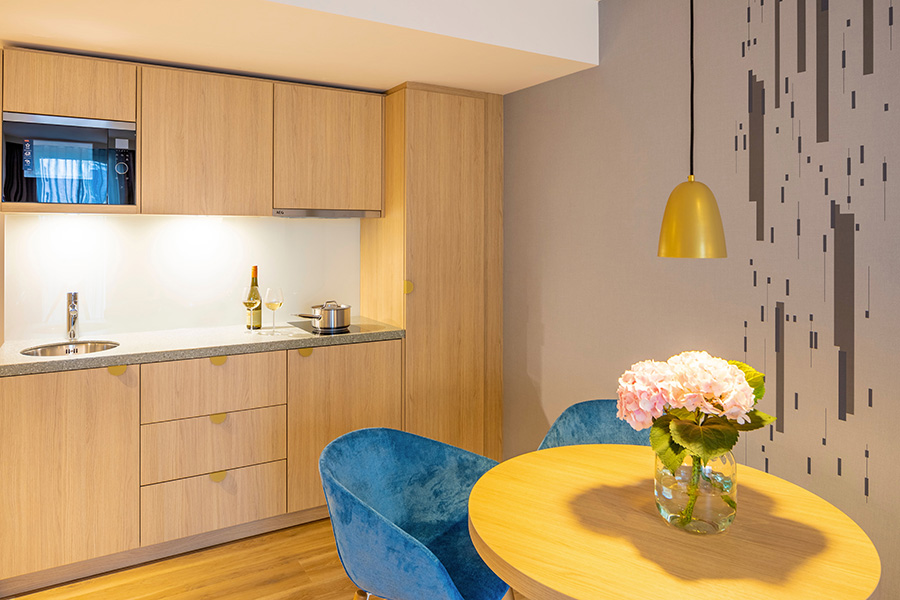
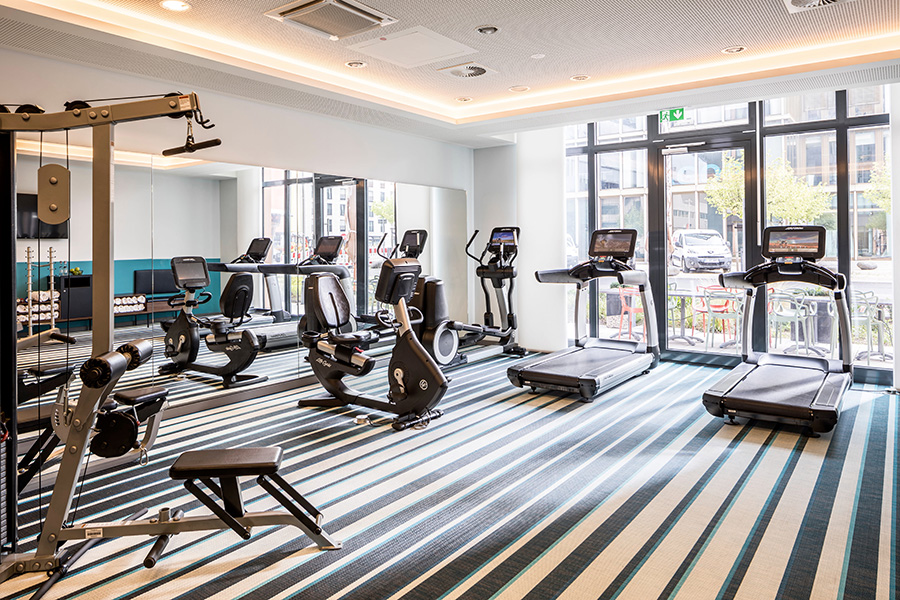
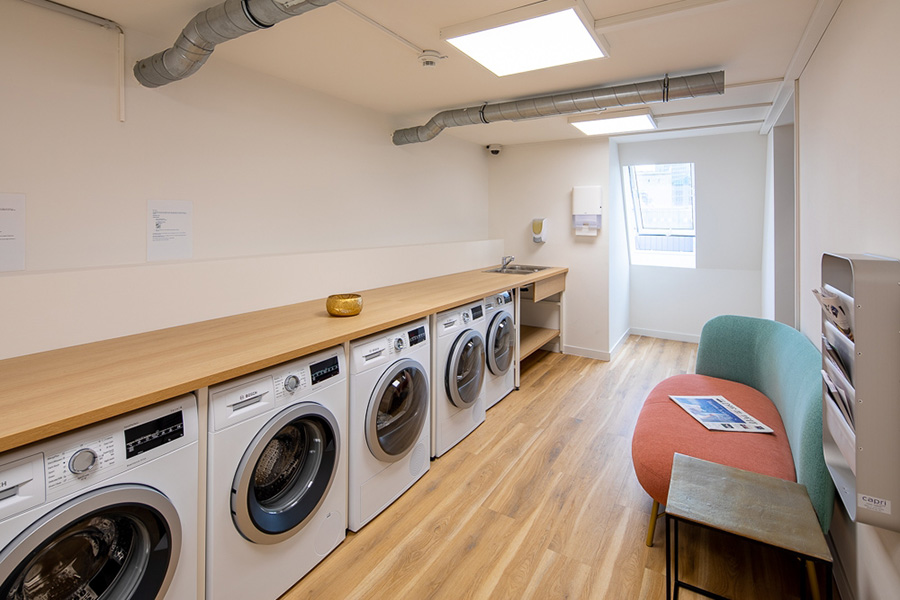
Hybrid serviced living is a form of accommodation between hotel and residential. Guests have residential-like facilities such as a kitchenette and living space and often stay longer, while the operation remains hotel-like. Think service, flexible housekeeping, digital processes and active revenue management. The term longstay is often used, but length of stay is mainly a consequence. The distinction lies in the combination of residential functionality and hotel-based management.
In the German-speaking region, often referred to as DACH (Germany, Austria and Switzerland), many investors and operators see a mix of scale, stability and institutional capital. Chief Executive Officer Eu Chin Fen outlines Europe as a region where demand in core cities is structural and well-located supply remains limited. This requires discipline: investing in places where the product demonstrably fits the demand mix and building long-term value. Here, sustainability is not only an operational issue, but also a factor influencing access to capital and value retention.
Chief Investment Officer Jason Leong points especially to the intertwining of hotel and residential concepts. Demand for longer stays is growing due to project-based work, relocations and international knowledge workers. In this segment, the product functions like residential, but is managed like hospitality: with pricing, occupancy control, channel mix and cost control. With this, investment logic is also shifting. Whereas residential traditionally leans on rent and value development, operated living is more about an actively managed income stream.
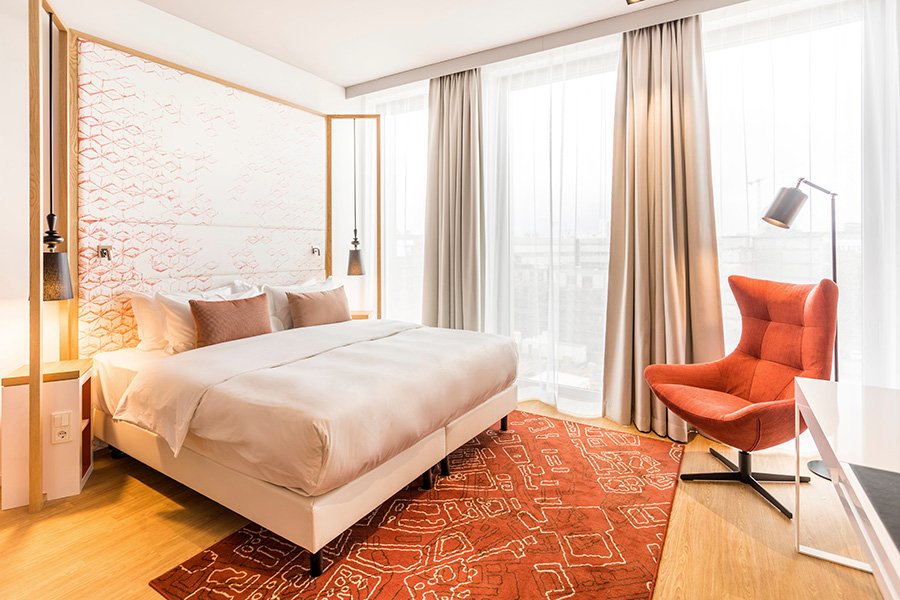
For Dutch owners and investors, this is relevant, as similar pressure lines are visible here. The Netherlands has a scarcity of space, high pressure on the housing market and a critical licensing climate in many municipalities. At the same time, demand in and around major cities and economic hubs remains high, especially for business and international traffic. Hybrid concepts can be interesting in such a context, but only if design, capex and operation are aligned.
The pitfall is well known: those who continue to treat the product too much like a hotel make it costly and inefficient. Those who approach it too much like housing lose service, quality and yield control. It is precisely at that interface that the value arises, but also the risk. That makes the segment eminently relevant for parties who steer for long-term returns: the upside is not only in location and bricks and mortar, but in operational performance.
Anyone considering serviced living would do well to establish the main principles early on. What demand mix do you serve, what length of stay do you expect, and what service levels go with it? What does the cost structure look like with lower housekeeping frequency, different staffing and other facilities? And just as importantly, what operator capabilities are needed to make the model work, from revenue management to distribution and systems?
The key question for the Dutch market is therefore not whether serviced living is a trend, but whether, as an owner or investor, you can really co-design and secure exploitation. In a market that increasingly revolves around operating power, that becomes a decisive factor for value and risk management.
 Nederlands Nederlands
  English (UK)