hotelvak.eu
EN

Platform on hotelmanagement, interiordesign and design in the Netherlands
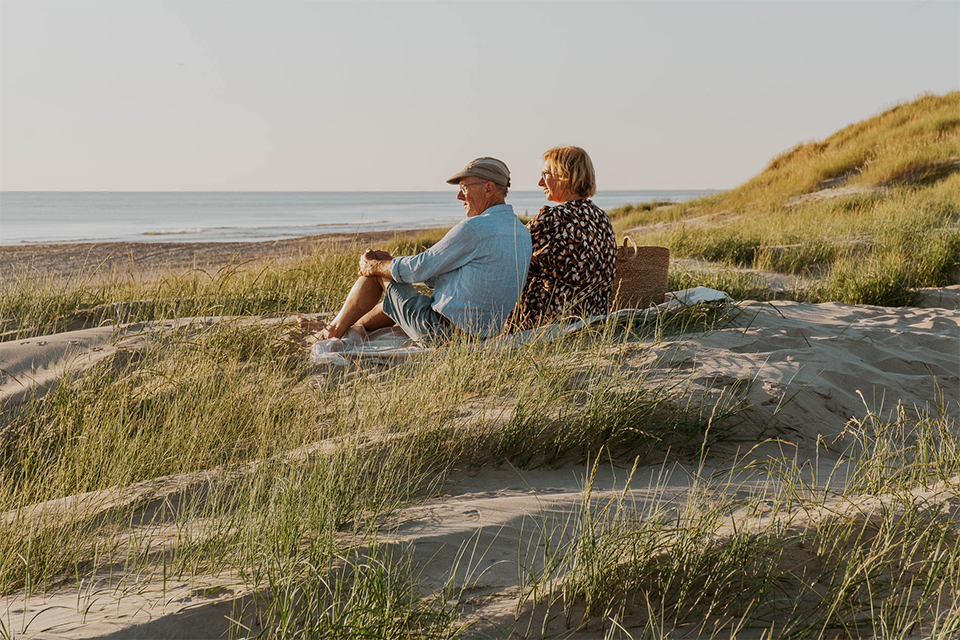
In a market where the boundaries between hotel, serviced apartment and luxury holiday home are increasingly blurred, it is becoming more relevant for hoteliers to look outside traditional hotel chains. That is why Hotelvak spoke to Dutchen: a Dutch rental label that operates in the higher holiday accommodation segment, but is remarkably close to the hotel business in terms of quality standards, service philosophy and brand direction.
With economies of scale and standardisation increasingly leading the way, Dutchen is explicitly choosing a different course. Led by CEO Audry van de Merwe, the company went through a clear strategic repositioning over the past two years. The development branch was divested, the founder left, and the focus is now entirely on rental, marketing and management of high-quality holiday accommodation at small-scale locations in or near nature.
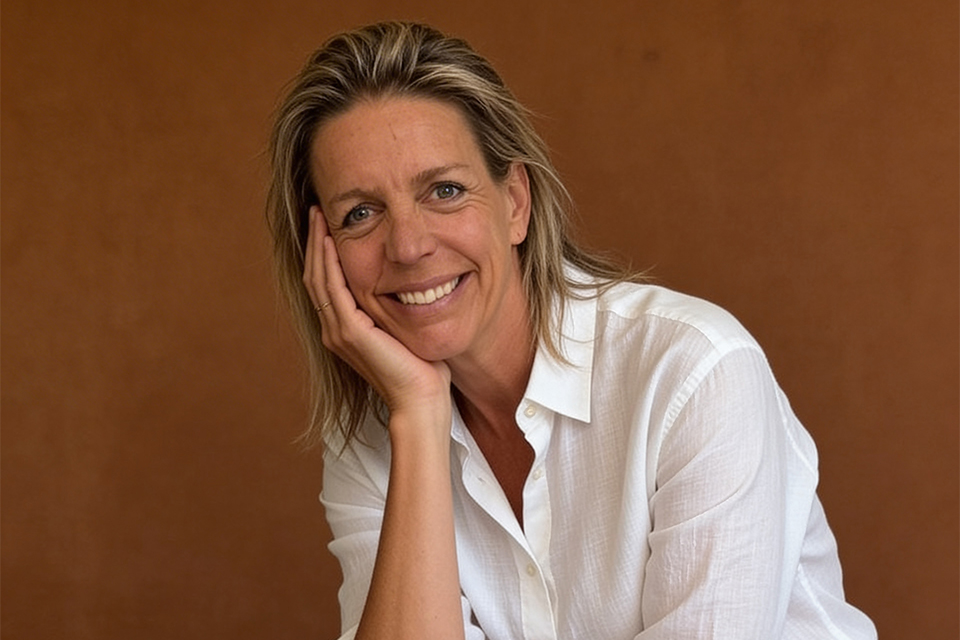
That sharp choice makes Dutchen interesting for hotel professionals. The brand operates in the domain of holiday homes and parks, but uses quality standards and service principles. These are closer to the hotel business than to the traditional leisure park.
Dutchen operates near Dutch nature reserves, including in Schoorl, on the Wadden Islands, in National Park Drentsche Aa and in ’t Gooi. Characteristic is the small scale per location and the focus on tranquillity, privacy and nature experience. There are no large-scale central facilities. The experience is concentrated in and around the house.
This requires a different way of steering. Without catering, entertainment teams or extensive facilities, the value must come entirely from the stay itself. As far as Dutchen is concerned, luxury does not lie in bustle or abundance, but in space and attention. Many properties have wellness facilities such as sauna or jacuzzi, spacious outdoor areas with outdoor kitchen or fireplace, and high-quality furnishings.
For hotel managers, this is recognisable territory. The distinction is not in extra square metres, but in comfort, use of materials, finishing and consistency in appearance.
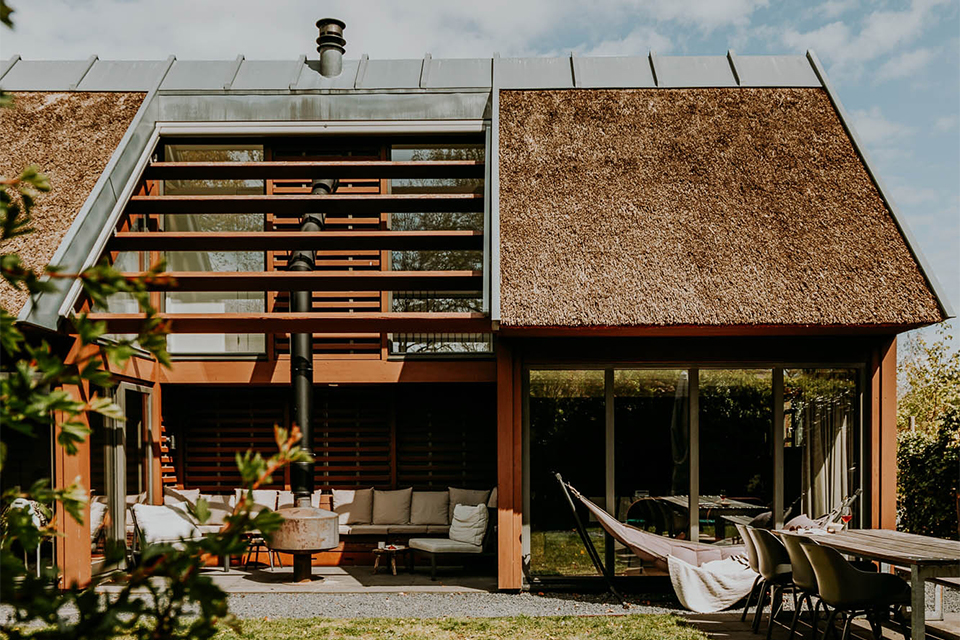
Dutchen's mission statement reads, “By doing ordinary things unusually well, we aim to inspire guests and owners.” That principle translates into concrete service elements. Guests will find beds made on arrival, basic products such as organic coffee cups, tea and high-quality care products. A linen change after five days is also standard, even though each property has a washing machine.
Qualitative research among guests shows that precisely that combination of small scale, high-quality décor, tranquillity and personal service is the reason for returning. The price is not at the bottom of the market, but is perceived as appropriate to the experience offered. This requires a clear brand story and consistent execution.
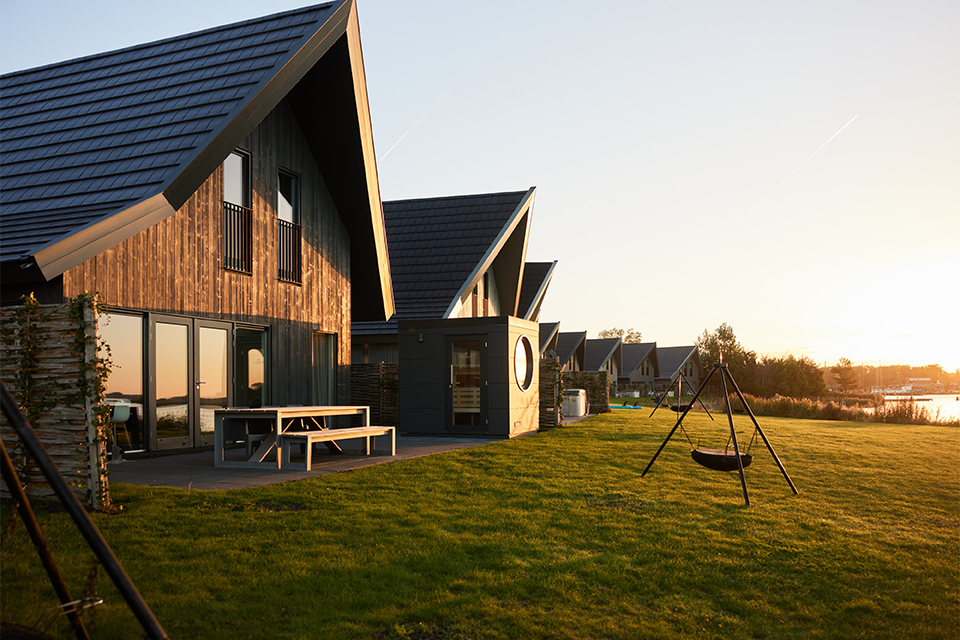
Although there are no central facilities, Dutchen actively seeks cooperation with local partners to enhance the destination. Examples include beekeeper workshops at their own bee hives, walks with a forest ranger or surfing lessons for children in Schoorl. At waterfront properties, sup boards are available or a boat can be rented.
For hoteliers, this is a relevant model. Instead of developing all the facilities themselves, Dutchen acts as a curator of local experiences. This reduces investment pressure while increasing authenticity. The location does not become a backdrop, but an integral part of the product.
Being outdoors is healthy for everyone. At Dutchen, we see this need and inspire and motivate our guests to (re)discover nature. Children who play outside learn important skills that have a positive effect on their development.
At Dutchen, we also think it is important to encourage children to play outside. Since January ‘26, Dutchen has been working with the international charity Right to Play, which works for children in vulnerable situations. Every year, Right to Play ensures that 4.7 million children in Africa, Asia and the MIdden East grow up to be strong and confident young adults. Together with Right to Play, Dutchen has designed a ‘Playbook’ with games that children can do in and around the home. Per booking, a contribution goes to this initiative. This gives the brand social positioning without obscuring its core proposition.
Over the past two years, the company has been in a state of flux. Dutchen invested in collaborations with external partners and supporting systems to streamline processes and make them scalable, while maintaining high service levels.
For hotel companies thinking about asset light structures or branded residence concepts, this is an interesting area of tension. How do you scale a premium concept without compromising on brand consistency and guest satisfaction? Dutchen achieves this through tight brand direction, intensive cooperation with property owners and strong marketing and PR.
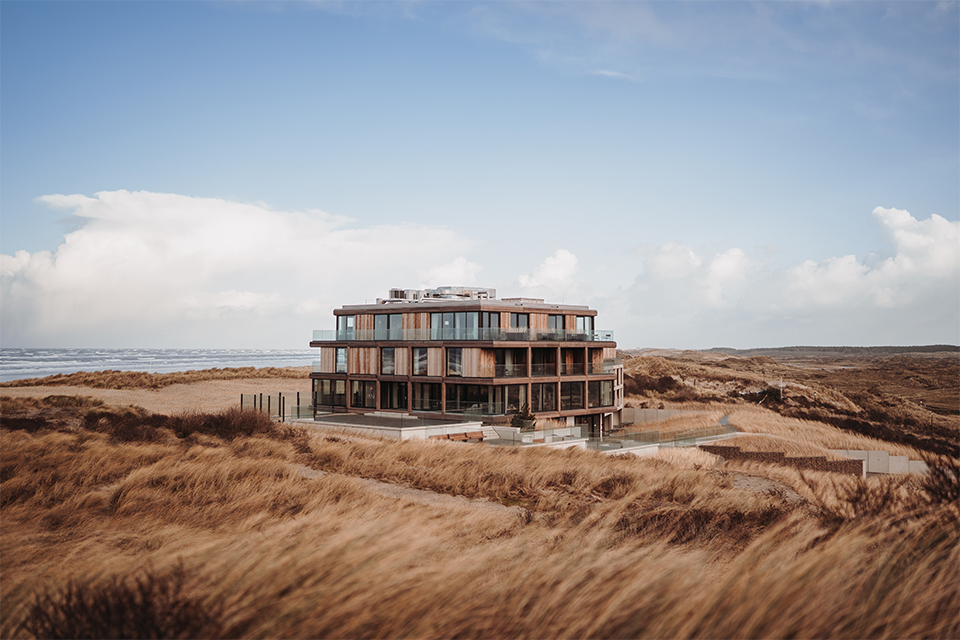
A key ‘next step’ is linking the brand to Elements Terschelling, an energy-neutral hotel on Terschelling that opened its doors in early 2026. The project includes 25 flats for four to six people, 16 hotel rooms, a restaurant, swimming pool and wellness.
This is where Dutchen explicitly touches the hotel business. The move to a full-fledged hotel product with a restaurant and spa requires different operational competences, but is in line with the existing focus on design, comfort and service. At the same time, the core remains intact: high-quality stays in unique locations, with a strong focus on privacy and nature.
Dutchen says it is ready for further growth and is seeking cooperation with professional developers who want to attach a strong brand to their park. This positions the brand between the large holiday park chains and the individual boutique provider.
For hotel professionals, there is a broader strategic lesson here. The line between hotel, serviced apartment and luxury holiday home is blurring. Guests seek space, privacy and nature, but expect hotel quality in service, décor and communication.
Those who want to remain relevant in that playing field must choose sharply where their added value lies. Dutchen opts for privacy over programming, housing quality over massiveness and brand over real estate. In a time of constant incentives, tranquillity proves to be a distinctive form of luxury. That is Dutchen: PUUR - FINE - OTHER.
 Nederlands Nederlands
  English (UK)