hotelvak.eu
EN

Platform on hotelmanagement, interiordesign and design in the Netherlands
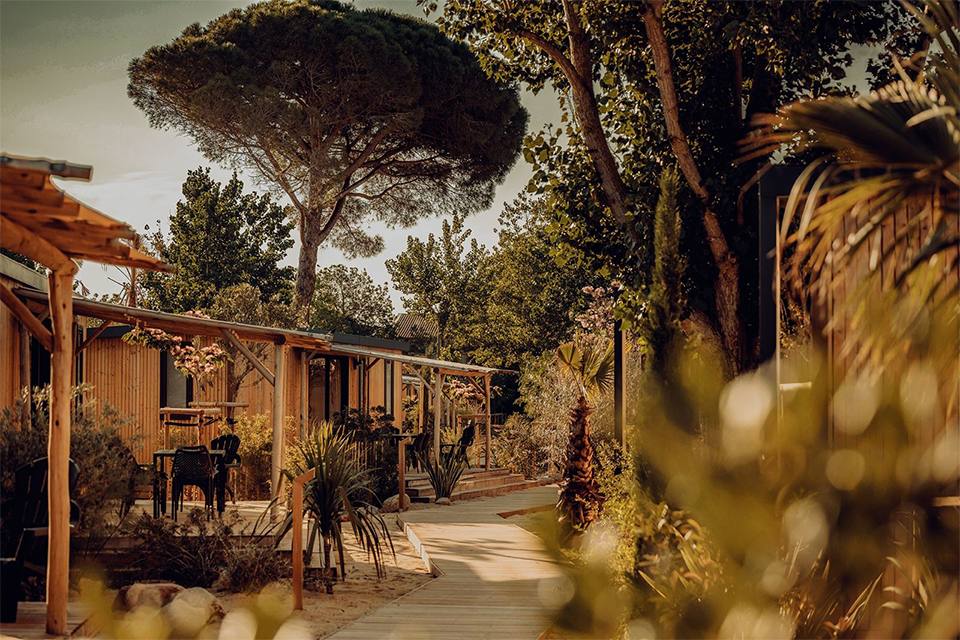
I notice it every time I speak to hoteliers: the world of campsites, glamping and holiday parks is still seen as something outside true hospitality. After all: it's not a hotel. People even look down on campsites and holiday & bungalow parks where families with children bivouac with folding trailers or stay in mobile homes. But in France, for decades, this sector has simply been called Hotellerie de Plein Air. Outdoor hotels, in other words. The word ‘hotel’ is there for a reason. Yes, it is about camping, often in a tent. Only these tents are now more luxurious than many a hotel room.
I recently organised an inspiration trip for 30 Dutch leisure entrepreneurs to the SETT in Montpellier. Europe's biggest trade fair for campsites and holiday parks. Everything you find at a hotel fair is also here: architects, designers, franchise formulas, digital solutions, investors, outdoor wellness, high-end concepts. So only focused on the leisure sector.
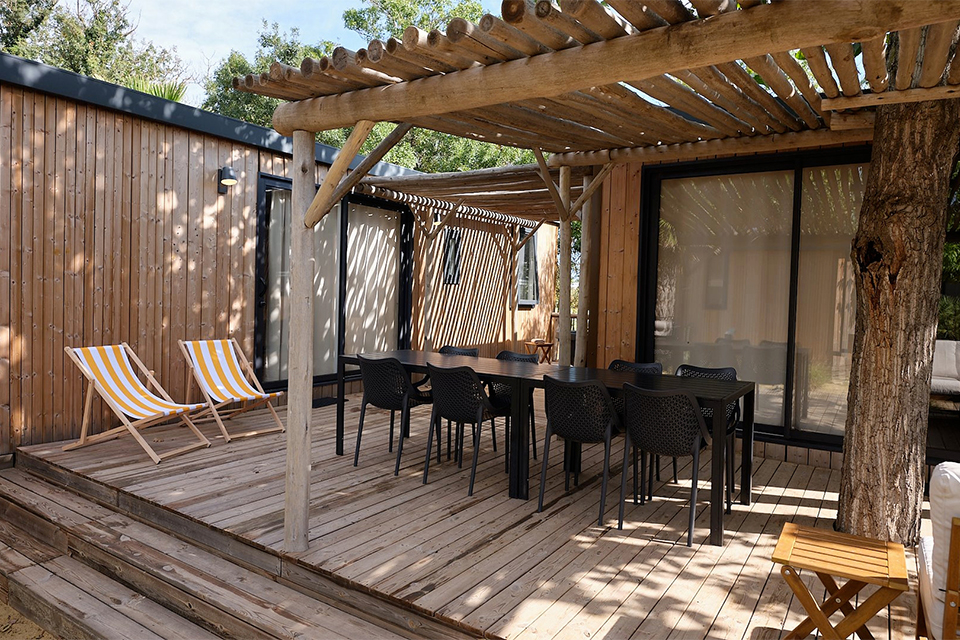
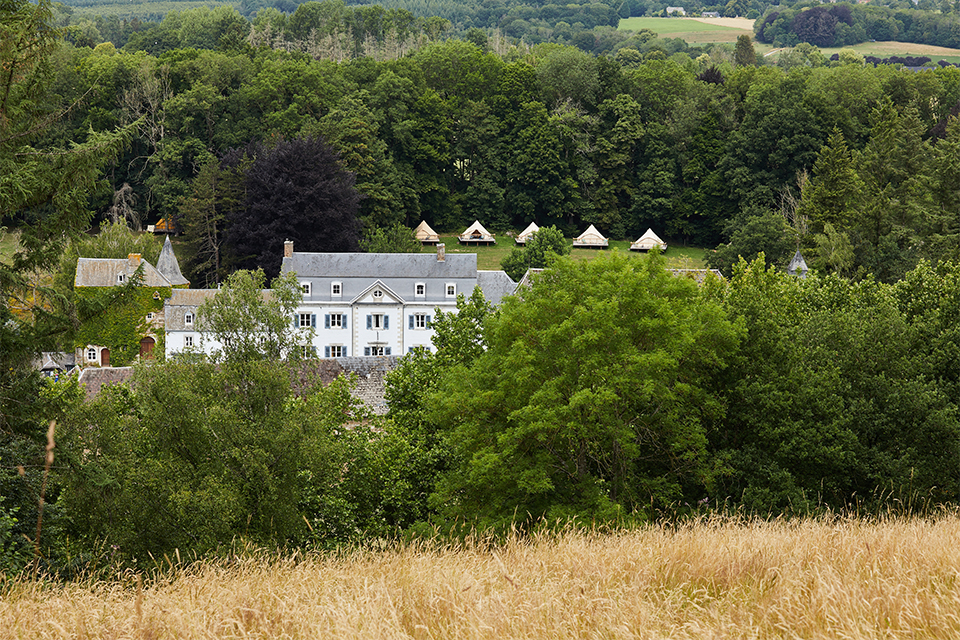
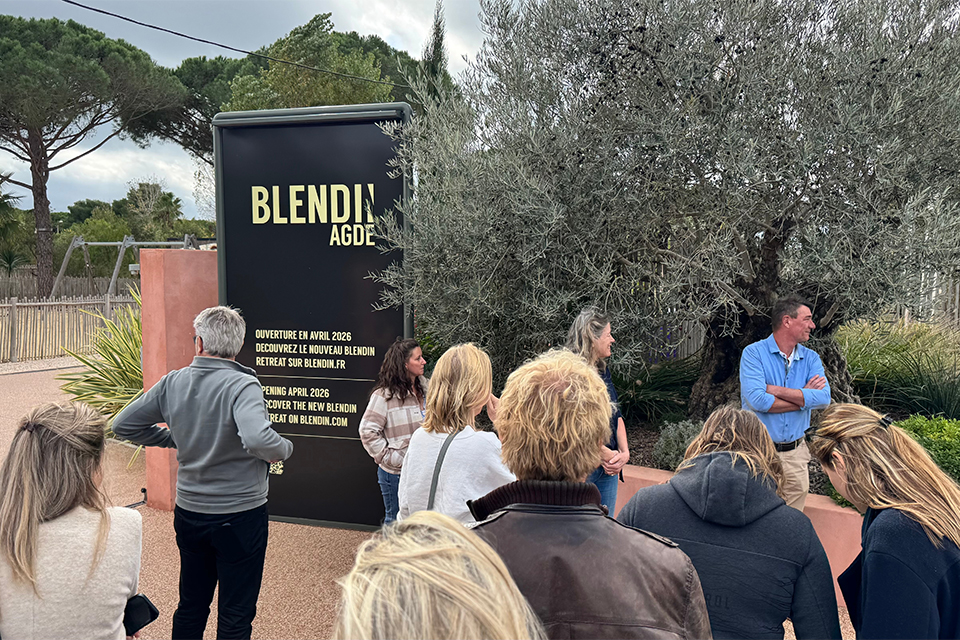
Besides the fair, we visited four more locations in the region: Sérignan Plage, La Dragonnière, Club Farret and the Boutique Retraite Blendin. The latter in particular shows what happens when hotel thinking moves outside.
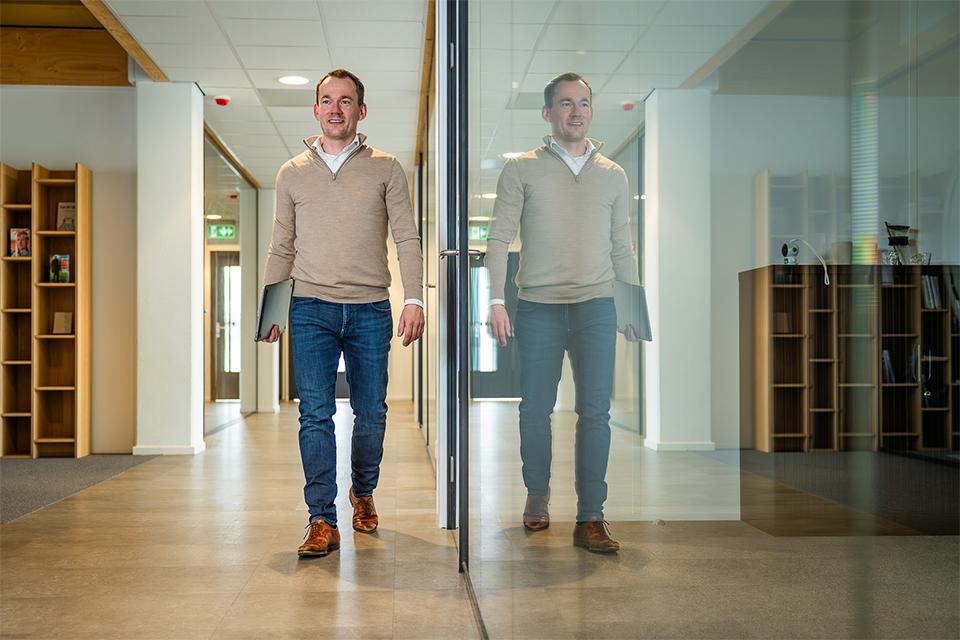
Indeed, Blendin is not a classic camping brand. It is a concept from the mind of Jeroen Postma, known for Qurios, once sold to Roompot. Blendin is his new baby and we know it in the Netherlands from the luxury hotel in Bloemendaal. So recently there has also been a French version in the south of France near Agde: a high-end short-stay destination with designer lodges and a service approach that is hotel-like.
It is part of a wider trend: outdoor stays that offer hotel quality. In high season, such a lodge in southern France now costs 500 to 600 euros a night, and that is not a case in point. The market accepts it because the product is right and an experience in a good location is sold.
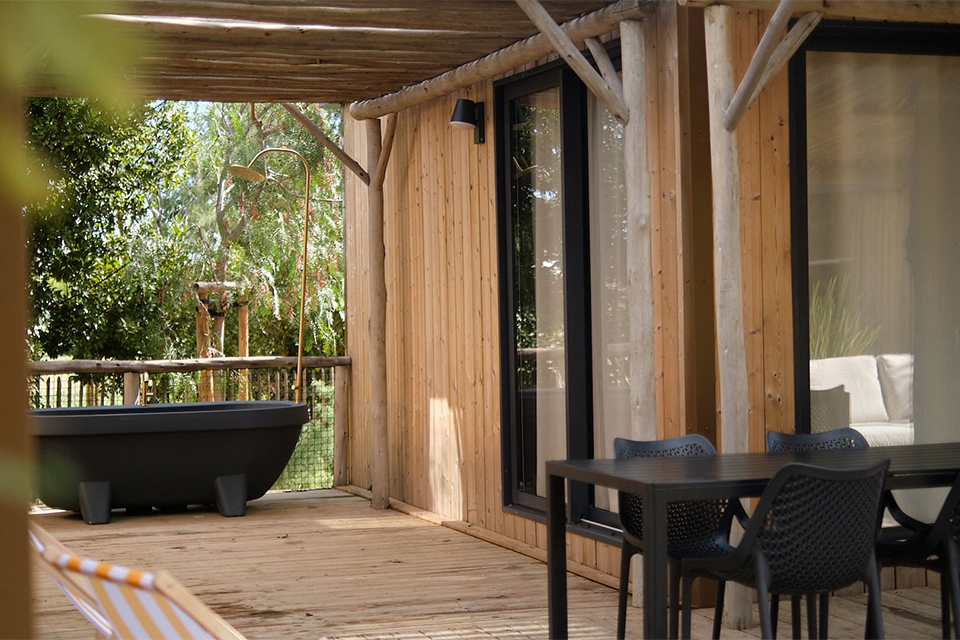
In my opinion, sometimes hoteliers and the hotel industry still continue to think too much in segments that are separate: hotel, B&B, camping or bungalow park. As if it's something different each time. But the guest doesn't look into those categories at all. He only asks three questions:
1. Is it beautiful?
2. Is it comfortable?
3. Is it memorable?
Whoever scores “yes” on those three, wins. Whether that is done with concrete, canvas, wood or steel does not matter to the guest. They will come and want to be received as guests, even at a glamping location. So in my opinion, what makes outdoor hospitality so interesting for hoteliers are the following:
- it is cheaper and quicker to build than a hotel
- it is modular and scalable
- it allows much more product variation than rooms
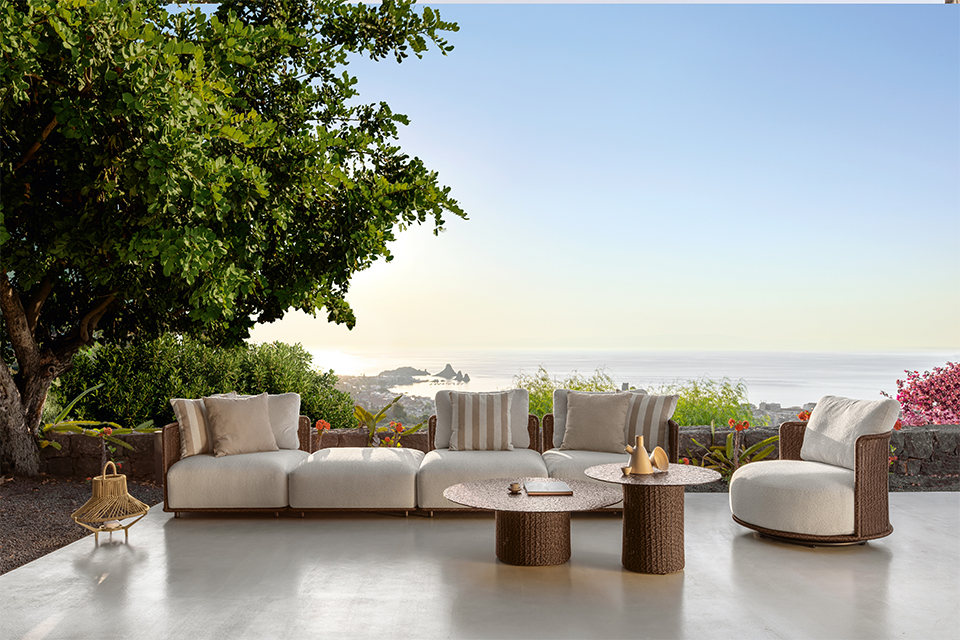
- it combines space, nature and design in a way that a hotel can never replicate
So, in my opinion, the boundary between hotel and camping exists mainly in the minds of providers, not guests. Outside is not second tier, not camping-plus, but a full-fledged form of hospitality.
Glamping is not a tent with a bow on it. It is a hotel service with outdoor air and space.
 Nederlands Nederlands
  English (UK)