hotelvak.eu
EN

Platform on hotelmanagement, interiordesign and design in the Netherlands

Column: Sigrid Ruigrok is a sleep coach and sleep specialist at Slaapinzicht and works in a bed specialist shop. She advises people, companies, hotels, institutions and schools on better sleep and optimal sleep.
There is little that has such a direct impact on a hotel guest's sleep as light and temperature. Two factors that rarely stand out, until they are wrong. Too bright, too warm, too stuffy or too cold: the night becomes restless. We may not consciously react to it, but our bodies do. Because just like sound, light and temperature are signals that the brain continues to monitor, even during sleep. They tell us whether we are safe, whether it is daytime, and whether the body can relax. Hotels that really want to excel in sleep comfort can gain a lot from this.
Light is the compass of our biological clock. As soon as the eye perceives light, the body stops producing melatonin, the sleep hormone that helps us fall asleep. This can be the first rays of morning sunshine, but also the blue light from a screen or the street light shining through the curtains.
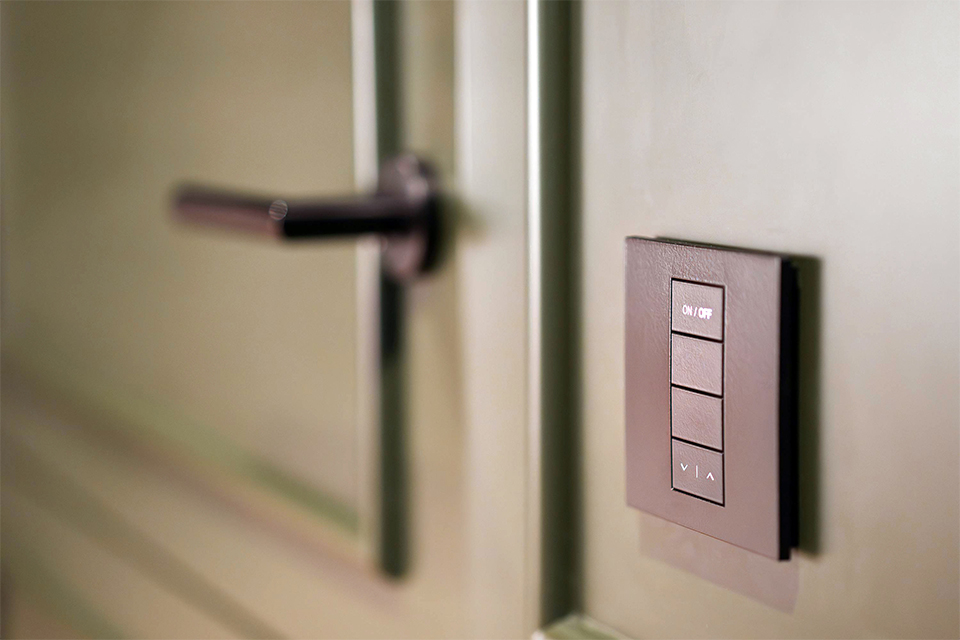
• Think in phases. Ensure that the room has different lighting settings: welcome light, relaxation light, and sleep light.
• Opt for warm light (2000–3000 K). Soft, yellowish light helps the body to relax, while cool white light has the opposite effect.
• Really darken the room. A curtain that closes at the sides.
• Offer a sleep mask. A good quality, soft mask is a small gesture, but guests experience it as a luxury. It also helps in rooms where complete darkness is difficult to achieve, for example in cities.
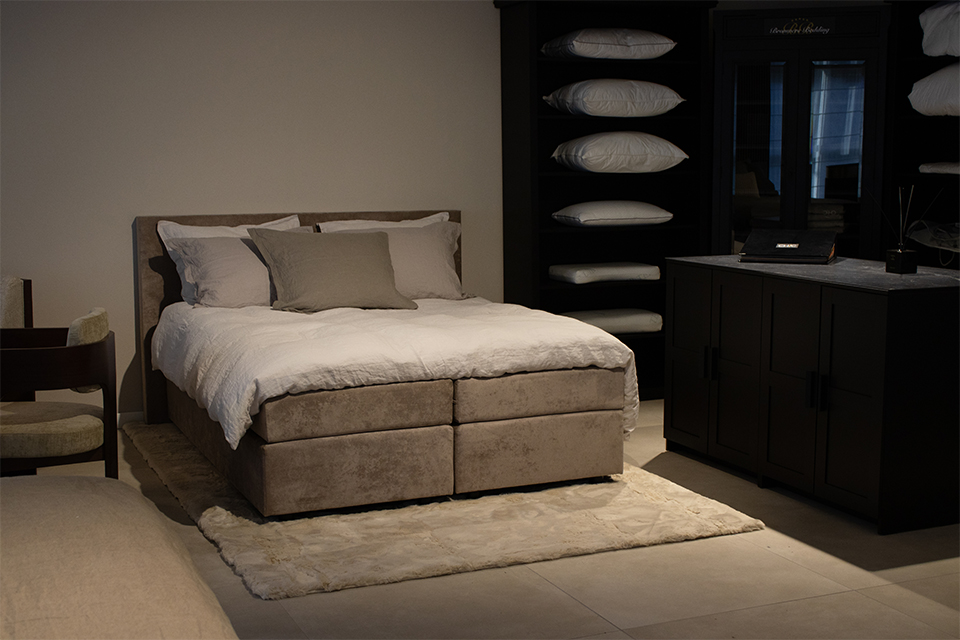
• Place subtle exit lighting under the bed or box spring so that guests can easily find their way at night.
• Think about the morning. Many guests appreciate it when the room slowly awakens with them: subtle lighting instead of a harsh click on the ceiling.
• Even replacing a single bright lamp with a warm, dimmable version can make a noticeable difference.

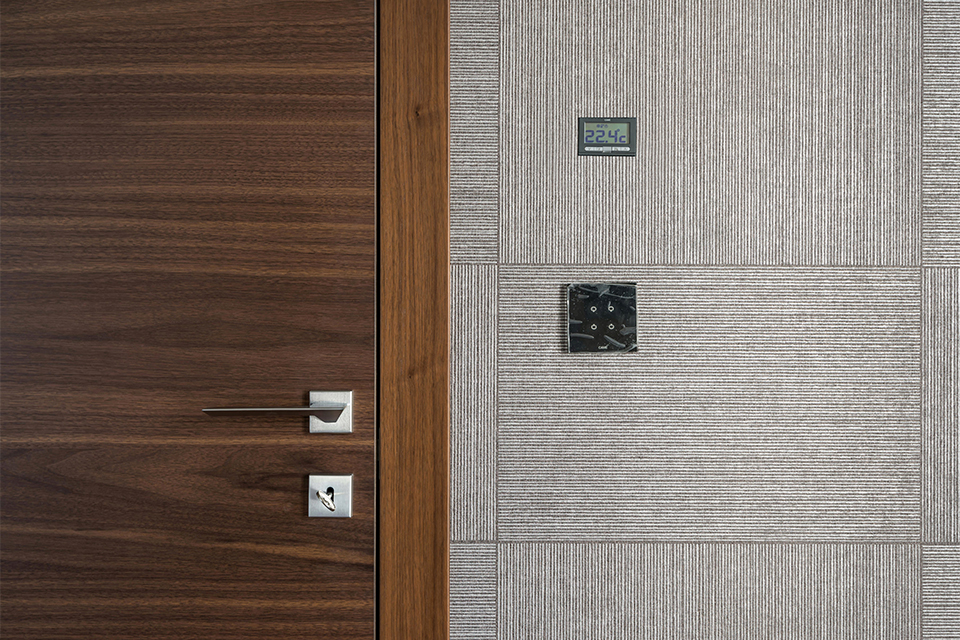
A room may look beautiful, but if it is too warm inside, no one will sleep deeply. During the evening, our core temperature drops by about one degree in preparation for the night. That process must be allowed to happen. Too much heating or air conditioning blowing constantly hinders that natural cooling. Most guests don't realise that they are sleeping too warm; they just wake up more often. And a system that automatically stays at 22 degrees all night long doesn't help.
• 18 to 20 degrees is ideal for most people to sleep in.
• Allow air to circulate, but without draughts. A quiet ventilation setting is more important than a powerful air conditioner.
• Add layers. A thin throw or extra blanket on the bed offers choice, a simple way to personalise comfort.
• Allow it to cool down slightly at the end of the evening or during the night. An automatic night-time reduction of one degree can make the difference between light and deep sleep.
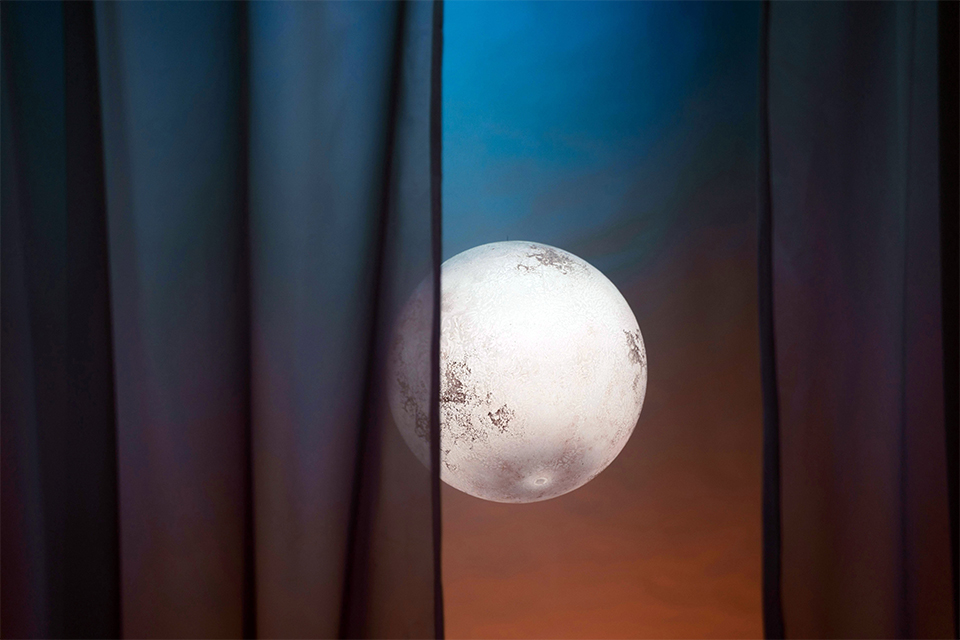
In busy cities, light is often the most challenging factor. Streetlights, billboards, traffic: the brain registers everything. Not only is this disruptive, it literally keeps the body in a state of alertness. Good blackout curtains and warm interior lighting are therefore crucial here.
Outside the city, the challenge is more often related to temperature: old buildings with thinner walls or rooms that cool down quickly. In both cases, the guest will notice immediately if the basics are right. Light and temperature are not visible in a photograph, but they determine the feeling of comfort as soon as someone enters the room.
If you want to go one step further, you can play with the natural progression of light and temperature. In the ideal sleeping environment, the temperature slowly drops in the evening, while the light becomes softer. This combination tells the body that it is time to sleep.
• Curtains that are already closed for a late check-in (the brain switches to “evening mode” more quickly);
• A timer on the heating so that the room gradually cools down; or even a small card on the bedside table with some text and information about sleep: “Feel free to cool the room down a little; it will help your body sleep better.”
• The latter is surprisingly effective. Guests perceive it as attention, but at the same time you are subtly steering their sleeping behaviour in the right direction. I am happy to help hotels set up this approach or develop simple sleep communication for guests.
Sleep is a basic need. Yet in many hotels, comfort is still too often defined visually: soft sheets, designer lamps, a stylish bed. But true luxury is invisible; it is the tranquillity you feel as soon as you dim the lights and the air is just right.
As a sleep coach, I see it time and time again: people who sleep well have a more positive outlook on everything, from breakfast to service. Light and temperature are therefore not only physical factors, but also silent influencers of guest satisfaction.
A good bed is obviously key, but without paying attention to light, temperature, and noise (read my previous column), the chances of restless nights remain high. Those who take this seriously are not only selling the hotel experience but also a genuinely good night's sleep.
Would you like to further enhance the sleep experience in your hotel? I am happy to contribute ideas, from practical advice on sleep experience to a customised sleep booklet for guests or staff.
 Nederlands Nederlands
  English (UK)