hotelvak.eu
EN

Platform on hotelmanagement, interiordesign and design in the Netherlands
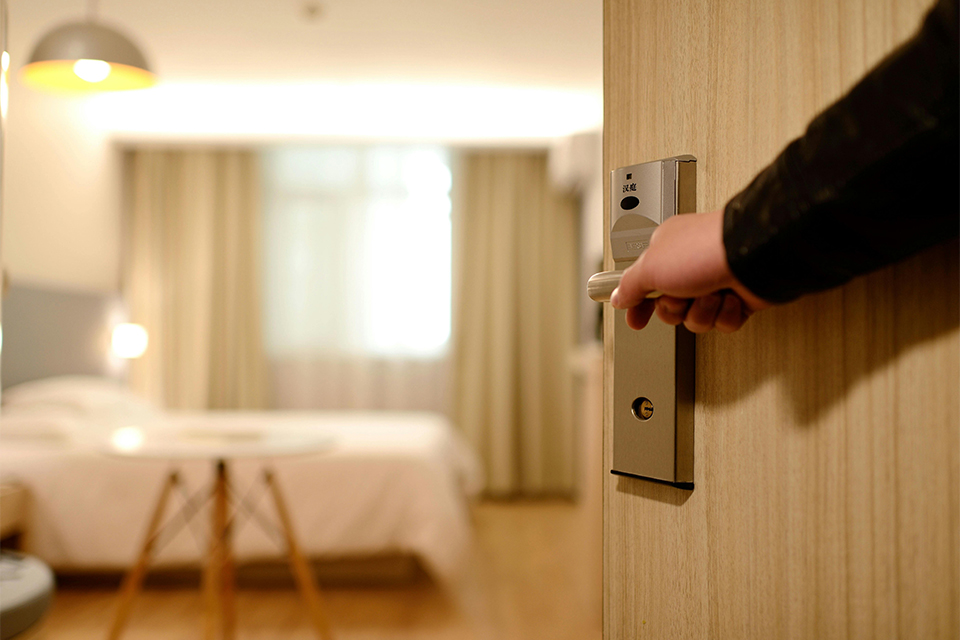
Imagine this: a guest checks in, is given a friendly welcome at reception, the room is spotless, the bed is lovely... but after two broken nights due to noise from the corridor and traffic outside, all he remembers is, "I didn't sleep here." Noise is an underrated factor in the sleep experience of hotel guests. And that's a shame, because you can make a difference with this.

Even when we sleep, our senses are on. Especially in a new environment. Sound, like light and temperature, is a so-called wake-up call: something that your brain registers as potentially relevant or disturbing, and can therefore bring you out of sleep. Think of the sound of a lift stopping, a voice in the corridor, a humming air conditioner or even the subtle click of a fridge. And the deeper the night, the more sensitive you become to that. That's not hypersensitivity of your guest, that's simply how sleep works: our brain stays alert in the background.
This also explains the well-known first-night effect: the first night in a new environment we often sleep less deeply. Brain research shows that we then literally sleep with one hemisphere of our brain lighter than the other. As if your brain is on guard. Ready to intervene if something unexpected happens. Evolutionarily logical, in unfamiliar surroundings you needed to be alert to danger, but obviously awkward for hotel guests. The more often a person sleeps in changing places, the weaker this effect becomes. Business travellers sometimes notice little more. But for the average holiday or weekend guest, it almost always plays a role. And that makes the importance of a quiet, familiar room even greater. Especially in that first night.
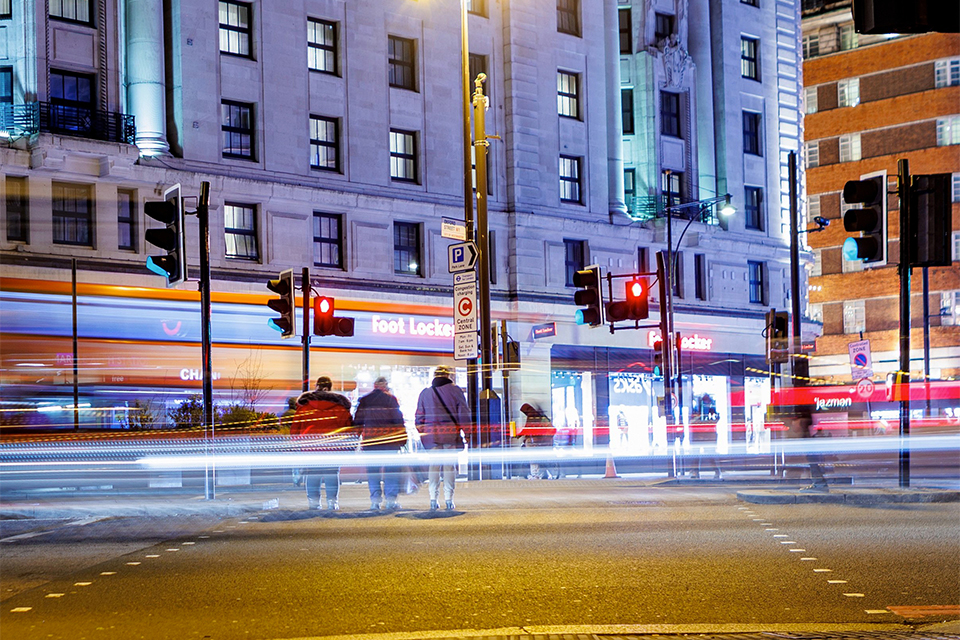
Hotels pay attention to beds, the towels, the fire alarm and a nice chair at the desk, and rightly so. A good base is important. But a luxurious mattress cannot compete with noisy walls, slamming doors or the sound of housekeeping at 7.30am. Moreover, noise is a factor over which your guest has little control. And that makes it extra frustrating. Especially if they have tried everything to sleep well. Guests who do their best to rest often feel powerless when they lie awake because of noises they cannot control.

- Soft closures on doors, cupboards and toilet seats help more than you think.
- Textiles such as rugs, curtains or fabric wall panels dampen sound.
- When setting up, consider distance from lifts, stairwells and cleaning trolleys.
- Turn off the minibar, or choose quiet models.
- Provide white noise or soft buzzing ventilation. This can mask other noises.
It is often in small choices. For example: an employee quietly walking up the corridor in the morning instead of tapping his heels on a tiled floor. Or the cleaning staff taking a moment to wait with the hoover until the clock strikes 10. It's details like these that a guest remembers.
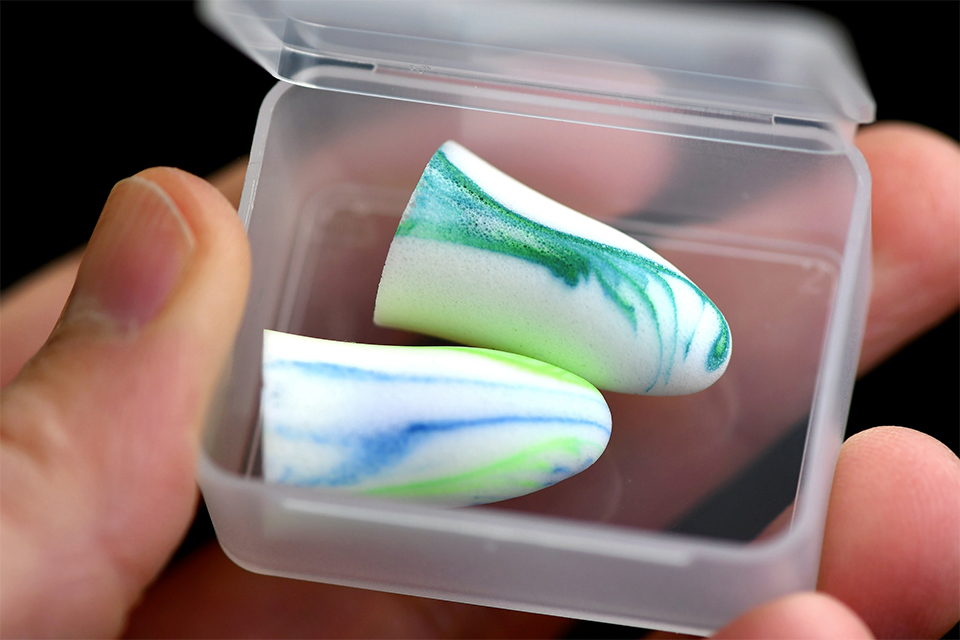
- Are there earplugs in the room? Or are they easily available at reception?
- Is there a night mode on the air conditioner or ventilation that runs quieter?
- Can you actively ask at check-in if someone is sensitive to noise, and offer a quiet room?
A card on the bedside table with a friendly message and a set of earplugs can go a long way. Not only practical, but also
psychological: the guest feels seen.
As a hotel, what you prefer to prevent is noise becoming a complaint. But you can also turn it around. Turn it into an asset. In your room information or on your website, mention what you have done for sound comfort: "Our rooms are equipped with extra-thick curtains and sound-absorbing materials for a quiet night's sleep." Or, "Earplugs are at your disposal so you won't be awake to anything." It is this attention to detail that makes guests remember and come back.
Sound comfort is not just nice, it is part of your brand experience. Guests with jetlags, shift workers or small children are especially sensitive to night-time noises. If, as a hotel, you can show that you pay attention to this, you make an impression. Not with luxury, but with attention.
In the next column, I dive deeper into the effect of light and temperature on sleep. These are also stimuli that you, as a hotel, have a lot of influence over.
 Nederlands Nederlands
  English (UK)