hotelvak.eu
EN

Platform on hotelmanagement, interiordesign and design in the Netherlands
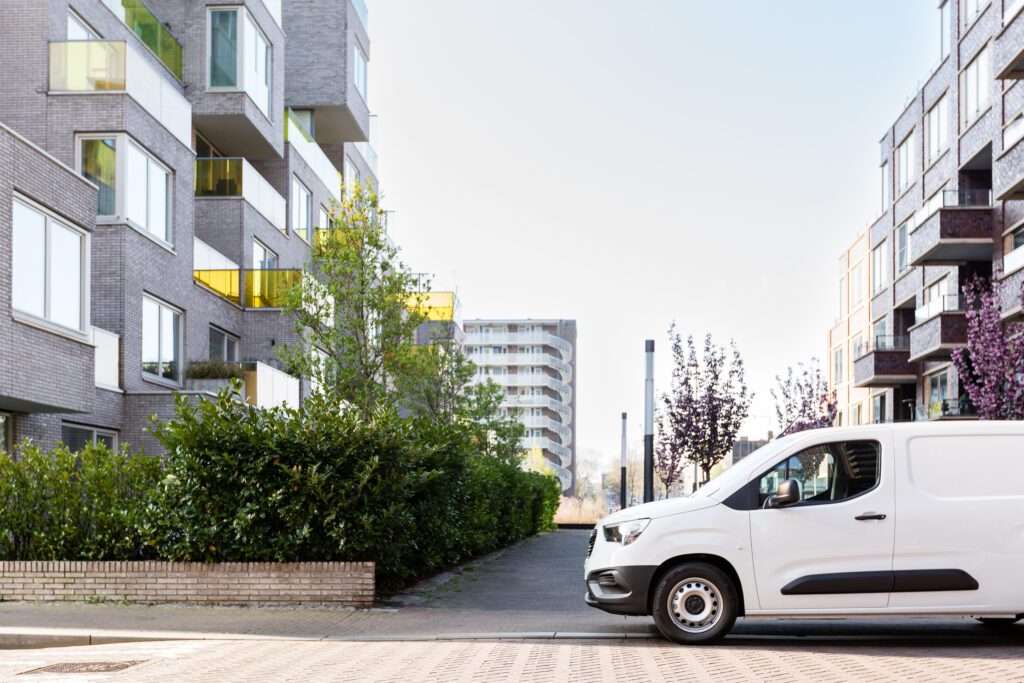
Many catering suppliers are still postponing the switch to electric commercial vehicles, despite the fact that the total cost of electric buses is often be lower than diesel variants and that the first zero-emission zones were introduced this year. This is according to leasing company Ayvens. “Financial uncertainty remains an important reason for postponing the switch,” says Roy Driessen, Segment Director LCV (commercial vehicles) at Ayvens Netherlands. This is in line with earlier research by Ayvens among 400 entrepreneurs, which shows that 46% finds making urban logistics more sustainable challenging.
On 1 January 2025, the first zero-emission zones were introduced in the Netherlands. From 2027, Euro 5 commercial vehicles will be banned from city centres, and from 1 January 2029, diesel buses will be completely banned there. “Many catering suppliers currently drive older diesel vans in urban areas. From 2027, some of these vehicles will no longer be allowed to enter city centres,” says Driessen.
Driessen explains the delay: “Many catering suppliers have had a tough few years due to the coronavirus pandemic. Understandably, they find it difficult to take financial risks.” Nevertheless, Driessen advises against waiting too long to switch to electric. “The monthly costs for an electric van can be up to £100 lower when leased compared to a new diesel van.” And for catering suppliers who want to buy a van: the purchase prices of diesel and electric vans are becoming increasingly similar. closer together to lie, partly because the BPM exemption for diesel vans has been abolished.
In addition, more and more catering establishments are demanding that deliveries be completely emission-free, even though this is not yet mandatory in some regions or there are exemptions for diesel buses. “Suppliers who do not have electric buses run the risk of being asked to make deliveries less often. What's more, many catering establishments are located in zero-emission zones, which means that new diesel vans will soon no longer be an option,” says Driessen.
For hospitality suppliers who are in a tight financial spot, deferral remains possible for the time being, partly thanks to recently relaxed rules for exemption. “But for suppliers who do have financial leeway right now, I recommend switching quickly. You create an immediate competitive advantage by already setting up your processes for electric transport,” concludes Driessen.
 Nederlands Nederlands
  English (UK)