hotelvak.eu
EN

Platform on hotelmanagement, interiordesign and design in the Netherlands
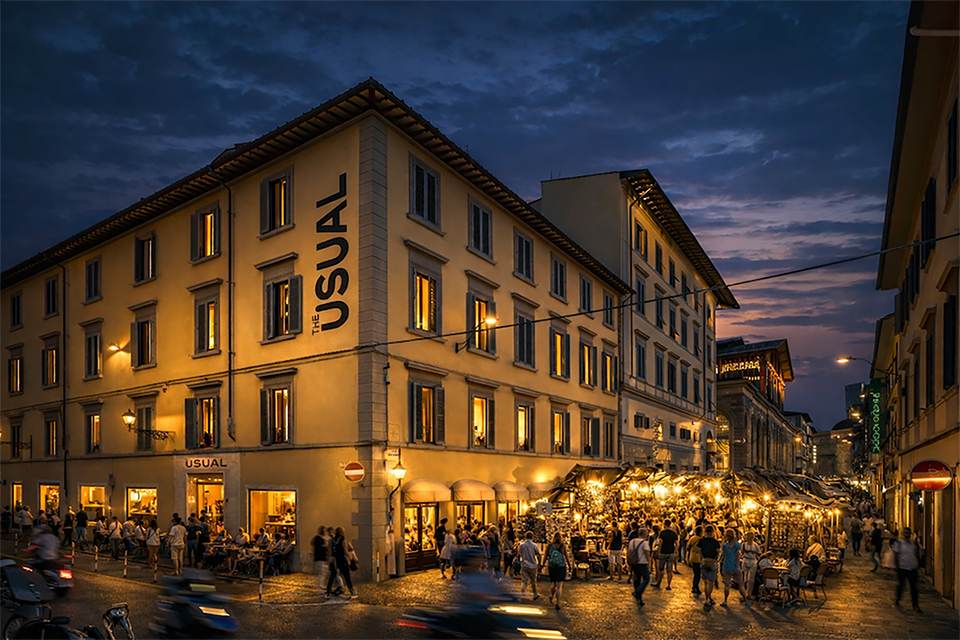
Award-winning, originally Dutch, hospitality brand The Usual will open a hotel in Florence in the first quarter of 2027. Developed by a team of non-traditional hospitality experts, the hotel chain, known for combining ESG values with bold design, creativity and lifestyle, will be the brand's third European location and the first outside Benelux. As always, The Usual opts for a location with character, history and a creative future.
The 3,400 sq m property is located in a UNESCO World Heritage-listed 19th-century building on Via Nazionale, in the beating heart of Florence. Within walking distance of the train station and near many iconic cultural attractions, The Usual Florence will feature 80 rooms, a lively F&B space, a library and distinctive facilities such as a gym, an art space and a green courtyard garden. In keeping with Florence's rich artistic tradition, guests will be welcomed not in a traditional lobby, but in a creative studio.
“Florence is a cultural icon and a creative hotspot,” says David Gillerman, Founding Partner & CEO at Crossroads, partner and investment fund of The Usual. “This is where we bring our vision of hospitality to life: design and experience, underpinned by ESG principles and local impact.”
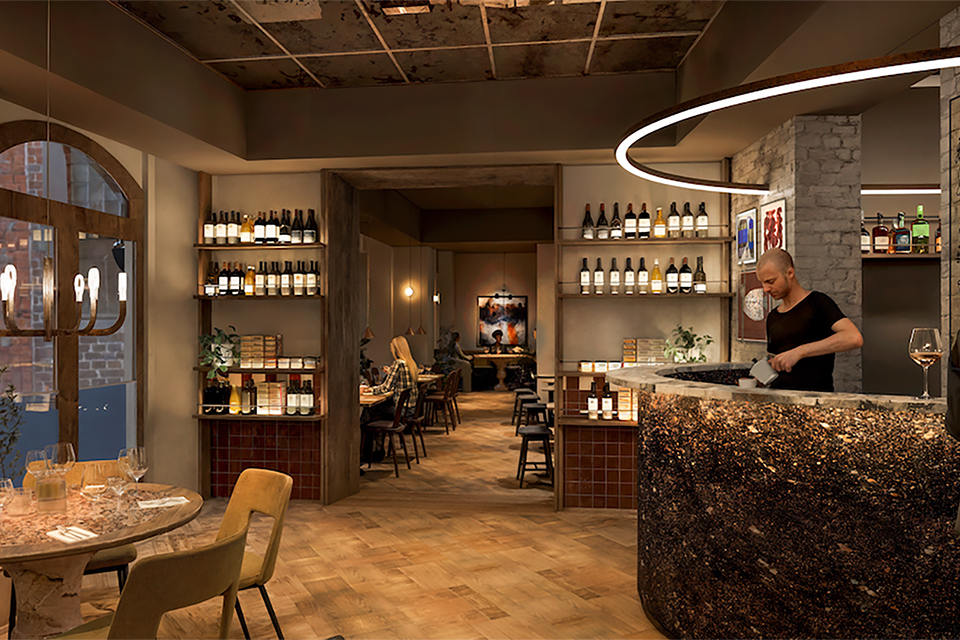
The interior and guest experience design will be realised in collaboration with Swedish concept and design agency Stylt. This creative agency, known for successful concepts for 25hours, The Hoxton and Renaissance Hotels, among others, is well acquainted with Florence. “My art studies here in the late 1980s inspired me to found Stylt more than 30 years ago,” says creative director Erik Nissen Johansen. “Now we are back with the mission to connect The Usual with Florence's creative and artistic heritage, creating a new type of hospitality experience.”
The project started with the purchase of the property in November 2024 and is being developed in collaboration with Artelia Italia, experts in guiding complex heritage restorations. The Usual adopts a regenerative design philosophy, focusing on circular construction, energy efficiency and the use of local materials. In addition to sustainable architecture, the hotel is committed to local social-ecological initiatives, strong community ties and contributing to Florence's cultural and environmental vitality.
“Florence is not just a backdrop; it is a partner in this story,” said Aniek Holland, Brand Marketing Director at The Usual. “The hotel bears our design signature, but also reflects the Renaissance soul and creative future of the city.”
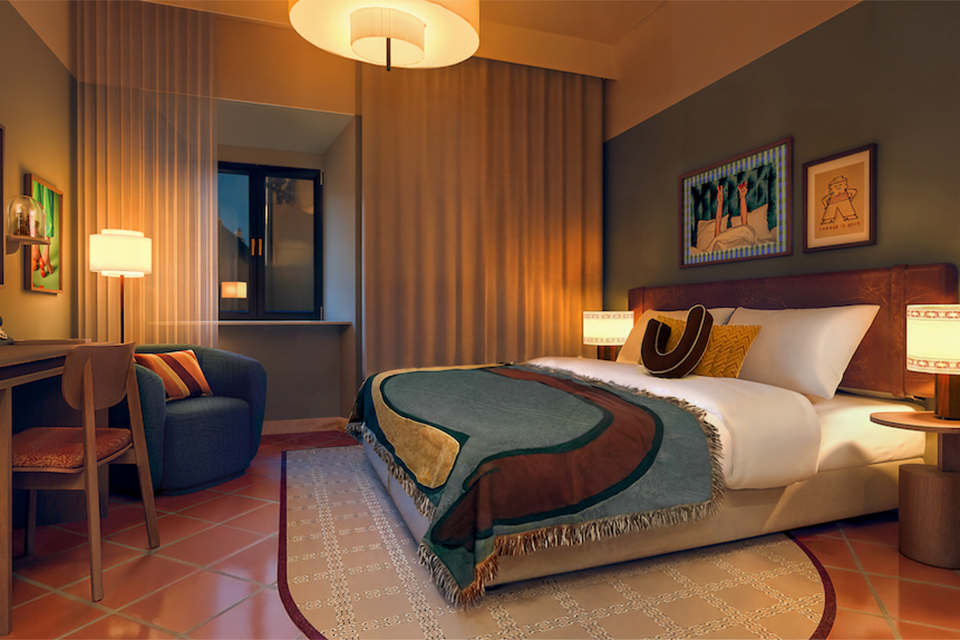
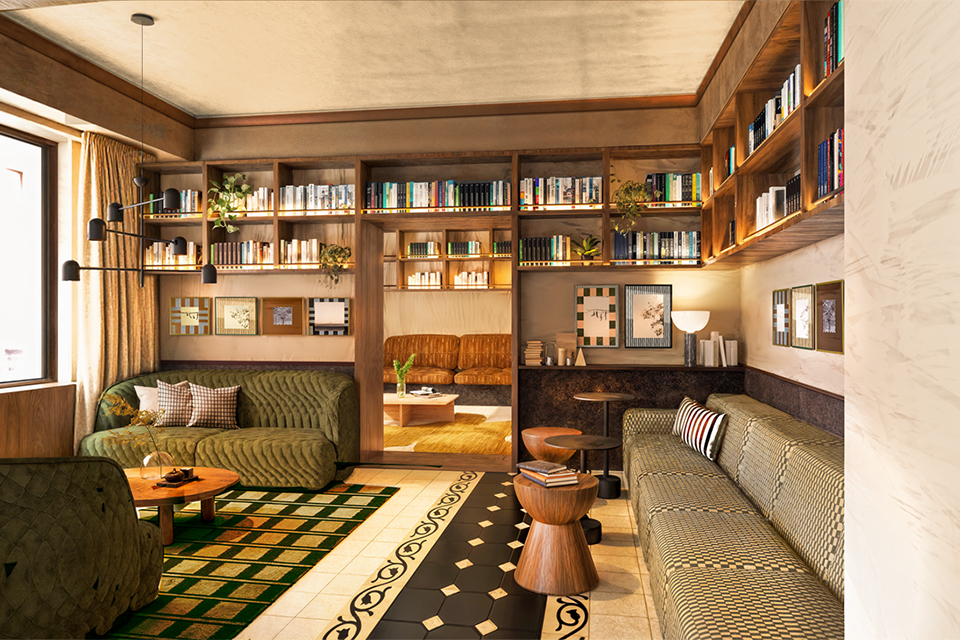
The Usual Florence is being developed using a regenerative approach, aimed at tangible, positive change that goes beyond sustainability alone. This means building with a circular mindset, reusing existing materials, integrating energy-efficient solutions, locally produced furniture and strong social commitment.
As in Rotterdam and Brussels, Florence is also rolling out the Doing Good programme, focusing on social-ecological cooperation with the city. For every overnight stay, The Usual donates 100 litres of clean drinking water to developing areas through Made Blue. For every direct booking, The Usual funds the removal of 1 kilo of plastic waste from rivers, through its collaboration with Clear Rivers.
“The Usual is the place where ESG, design and lifestyle come together. Florence underlines our ambition to grow internationally in cities with character and future,” says Joachim de Looij, CEO of The Usual. “We want to do more than just build beautiful hotels; we want to create value. For the neighbourhood, for the industry and for the next generation of travellers.”
The Usual is a new hotel concept with locations in Rotterdam and Brussels, developed by a team of non-traditional hospitality experts. The team's mission is to create a new way of meeting, sleeping, eating, drinking and working, where doing good for people and planet is paramount.
The Usual operates on the principle that everything they do - in construction, daily operations and guest experience - has the least possible negative impact on people and the environment. The ecological footprint of all locations is carefully monitored and published annually in an impact report. The Usual aims to open 15 hotels within five years.
 Nederlands Nederlands
  English (UK)