hotelvak.eu
EN

Platform on hotelmanagement, interiordesign and design in the Netherlands
A spa on its own is no longer enough
Wellness in hotels is increasingly less about just a spa, sauna or massage. Sleep quality, exercise, nutrition and mental well-being are playing a greater role in the guest experience. International hotel groups are now responding to this trend in concrete ways. At the same time, the emergence of terms such as ‘longevity’ – that is, the pursuit of a longer and healthier life – calls for a degree of realism: where does hospitality end and healthcare begin?
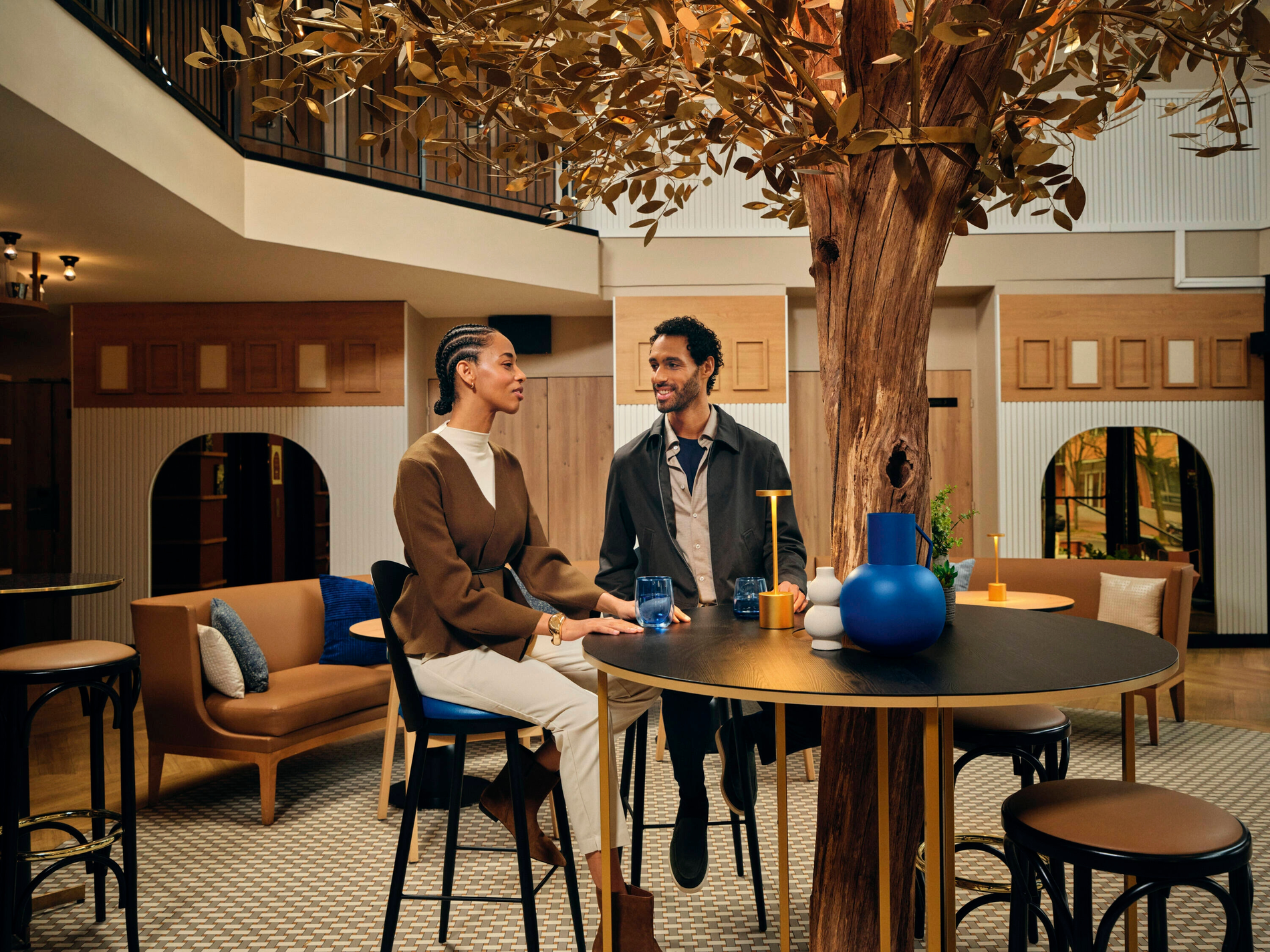
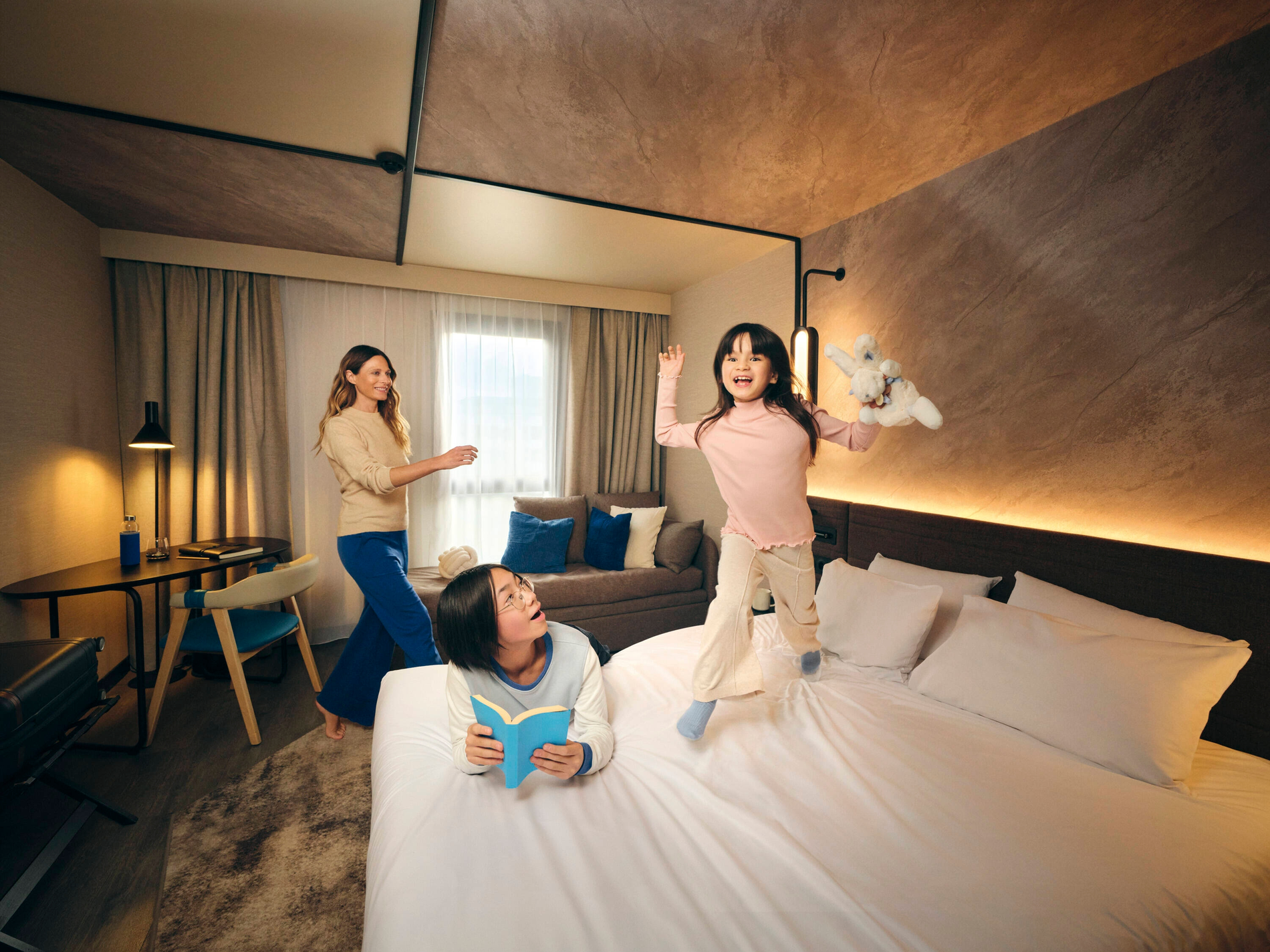
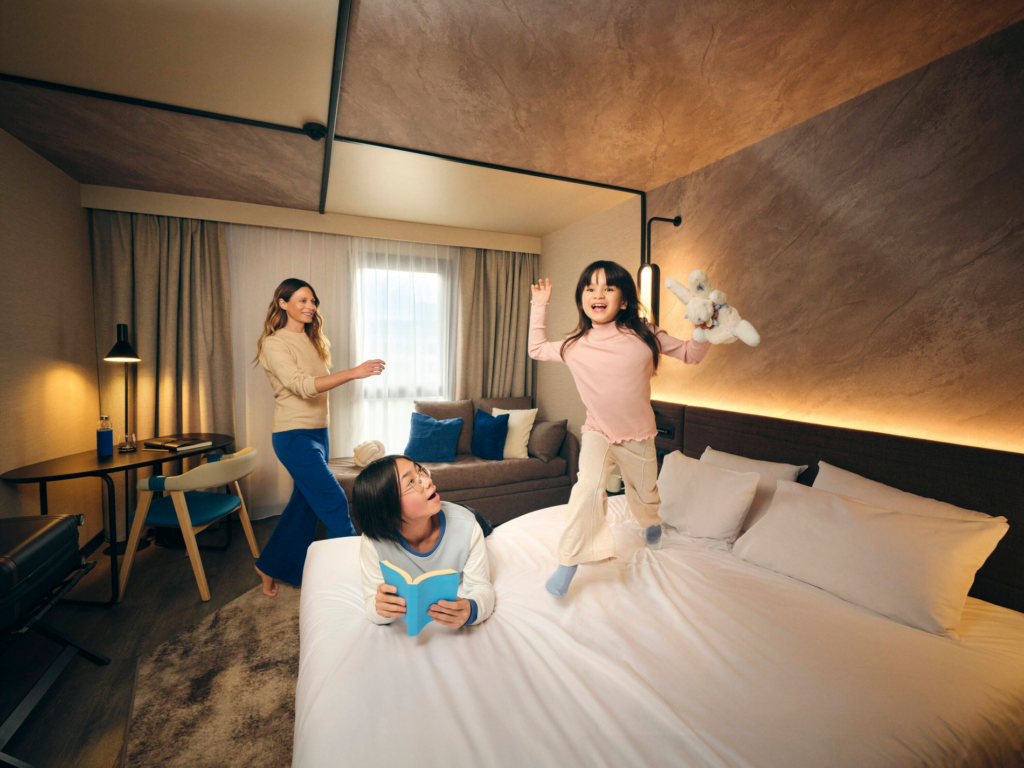
A concrete example is Novotel. Earlier this year, the Accor brand launched its ‘Longevity Everyday’ strategy. This is not just for a small number of luxury resorts, but for a global network which, by mid-2026, will comprise 632 hotels and over 121,000 rooms.
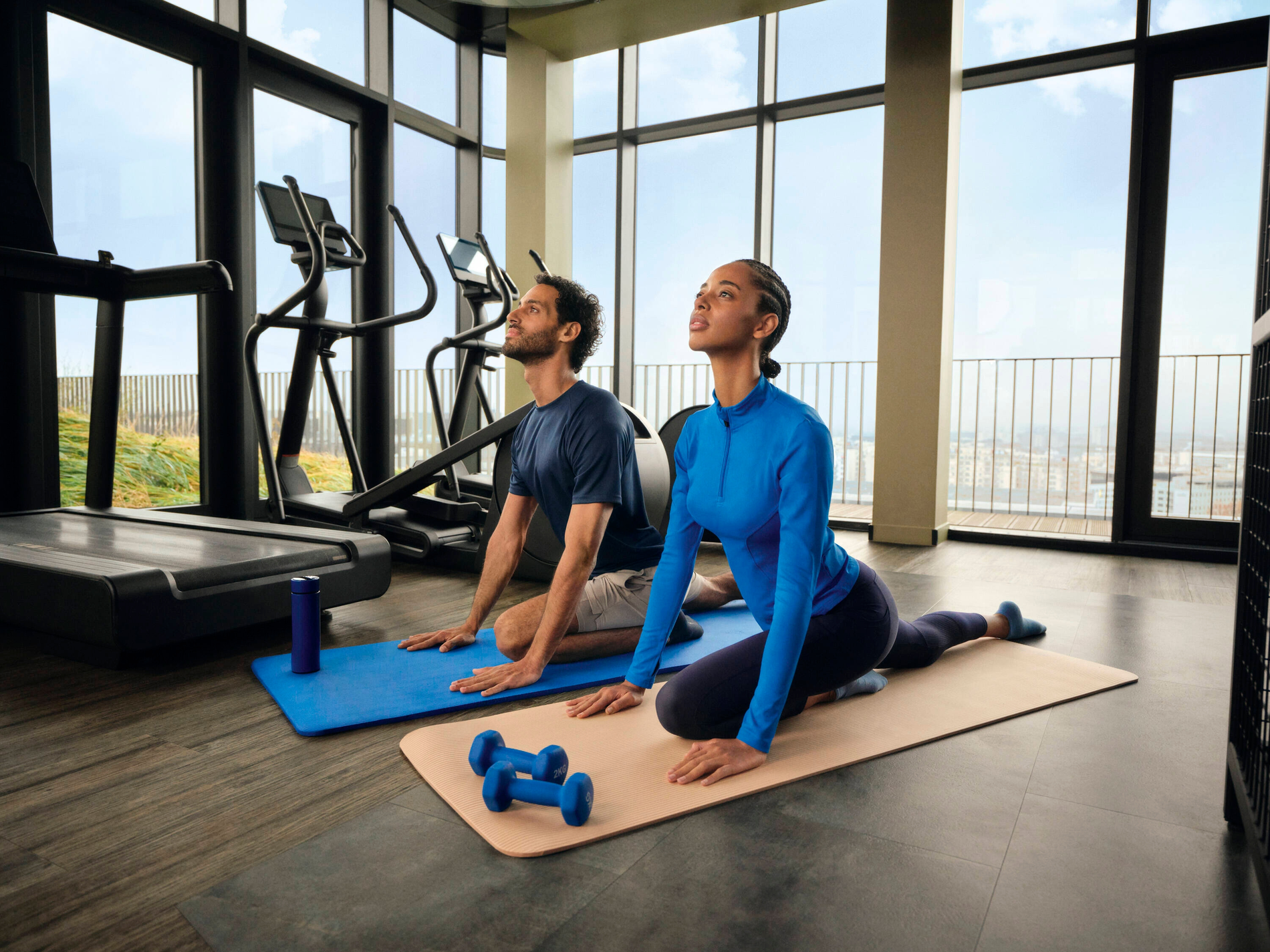
Novotel breaks ‘longevity’ down into four practical components: sleep, eat, move and measure. Among other things, the brand aims to roll out new eco-designed beds, encourage physical activity and adapt its food offering. By the end of 2026, at least a quarter of the dishes on the menus at Novotel hotels must be plant-forward.
This is a different approach to the medical longevity programmes that are emerging in the ultra-luxury sector. No blood tests or diagnostic procedures – just a hotel offering designed to help guests sleep, eat and exercise better.
For a hotelier, that distinction is important. It means that wellness can be incorporated without necessarily requiring a large wellness centre.
Sleep, in particular, receives a striking amount of attention. That almost goes without saying – after all, a hotel’s primary selling point is a good night’s sleep – but hotel chains are now measuring just how important this need is to guests.
For the Hilton Trends Report 2026, Ipsos surveyed over 14,000 travellers in fourteen countries. Of the respondents, 56 per cent stated that rest and relaxation are a key motivation for taking a holiday. Among business travellers, 19 per cent said they sometimes prefer sleep to socialising with colleagues whilst on a trip.
Furthermore, previous research by Hilton showed that two in five travellers deliberately choose hotels where they expect to sleep better.
This means that wellness is directly linked to the core of the hotel’s operations. A good bed is just one aspect. Acoustics, blackout facilities, temperature control, lighting and the level of noise in the corridors also determine how a guest experiences their stay.
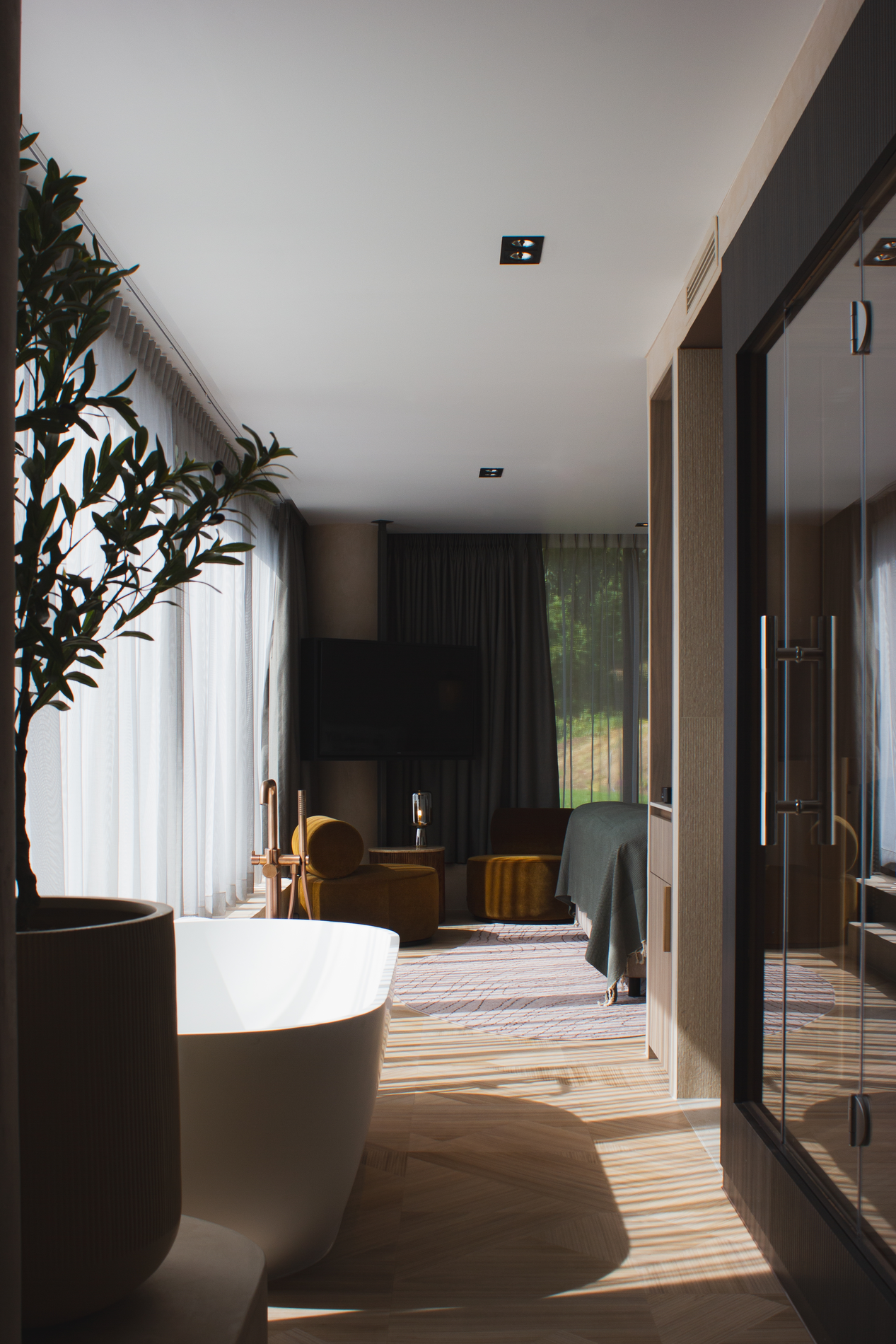
For architects and hotel interior designers, this means that well-being does not begin at the spa. It starts right from the design of the room.
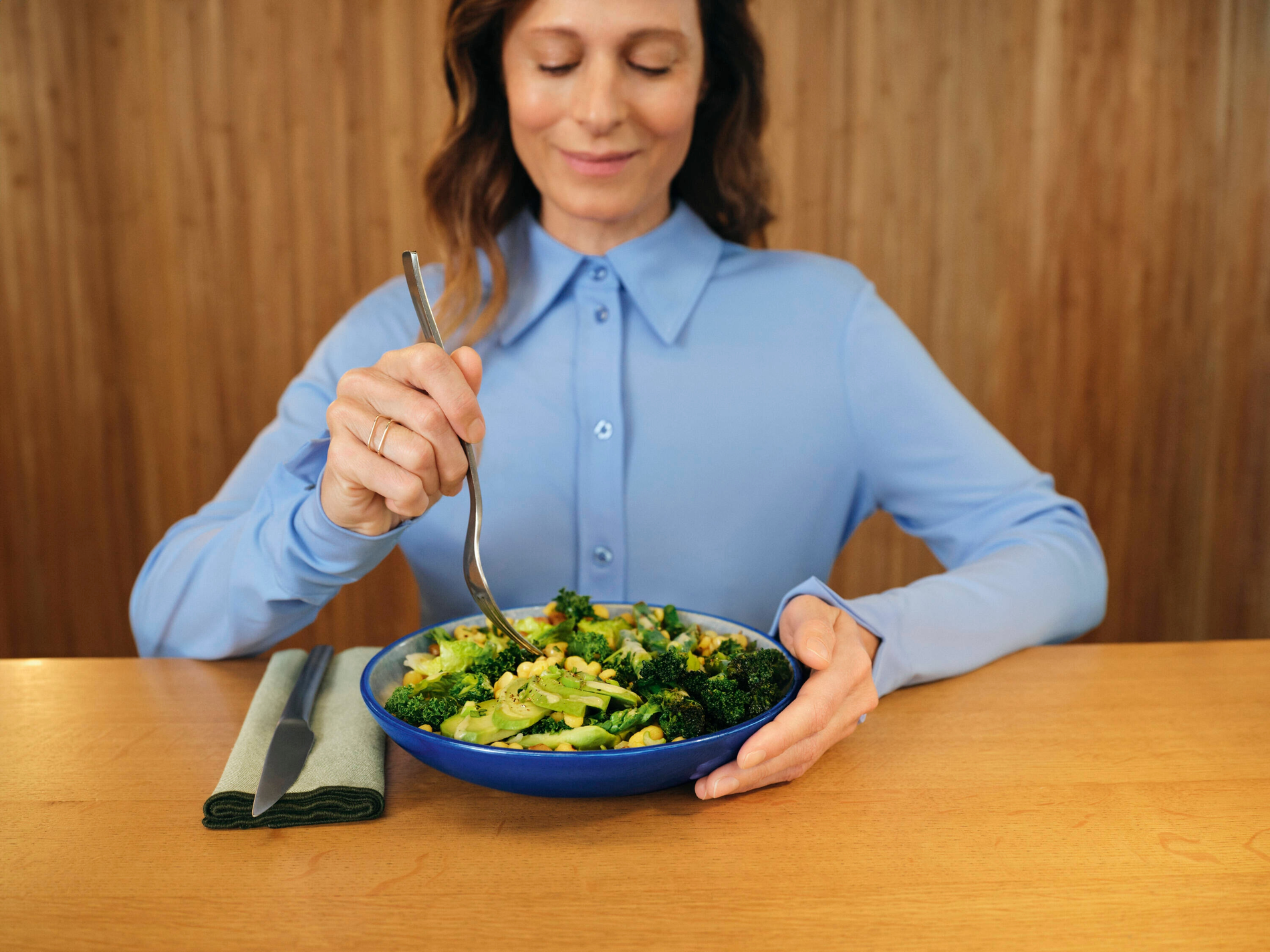
The same trend is evident in hotel restaurants. Accor, for example, reports that half of its Novotel hotels have already achieved the target of at least 25 per cent plant-forward dishes. In the luxury segment, Raffles London at The OWO operates a unique dining concept in which dishes are developed with a focus on nutrition and exercise.
Health is therefore increasingly becoming an integral part of the overall hotel concept: from breakfast to bedtime and from the gym to the conference programme.
This offers commercial opportunities, but also requires a degree of caution. The term ‘longevity’ can easily be taken to mean that a product actually contributes to a longer or healthier life. That is a considerably stronger claim than saying that a hotel provides the conditions for rest, exercise or a balanced meal.
The World Health Organisation defines healthy ageing as the development and maintenance of functional abilities that enable well-being in later life. Physical and mental capacities, as well as the environment, all play a part in this. A hotel can help to foster such a healthy environment, but it is no substitute for medical care.
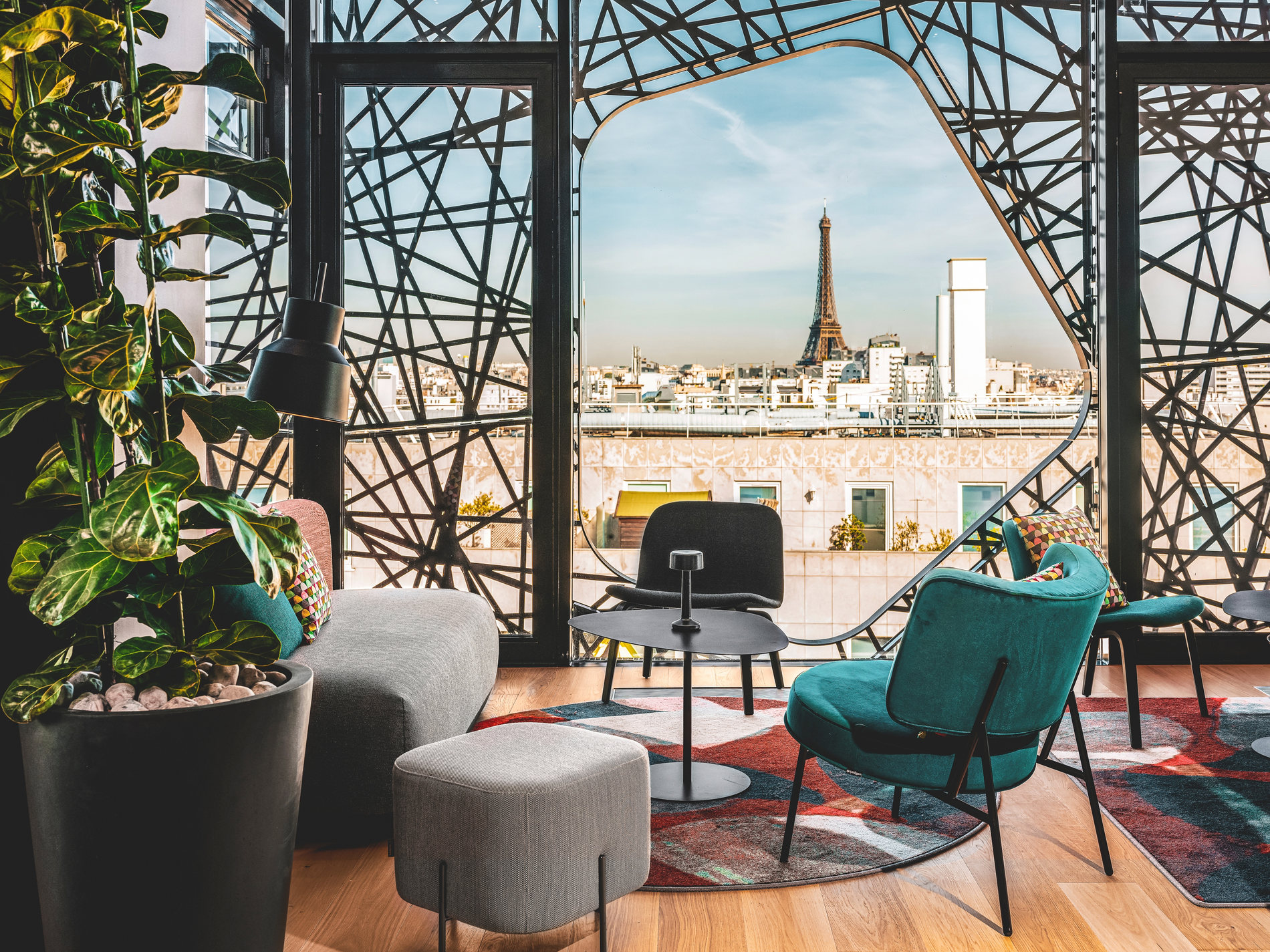
Perhaps that is precisely the most interesting development for the hotel industry. Wellness is not necessarily becoming bigger, more exclusive or more medical in nature. On the contrary, it is moving closer to the core of the hotel product.
A quiet room. A comfortable bed. Good food. Opportunities to get some exercise. Space to unwind.
Spas remain relevant, but hotels do not need to become health clinics to capitalise on the growing focus on wellbeing. For many businesses, the greatest opportunity is probably closer to home: structuring the existing guest journey in such a way that guests can demonstrably relax, sleep and recover better.
 Nederlands Nederlands
  English (UK)