hotelvak.eu
EN

Platform on hotelmanagement, interiordesign and design in the Netherlands
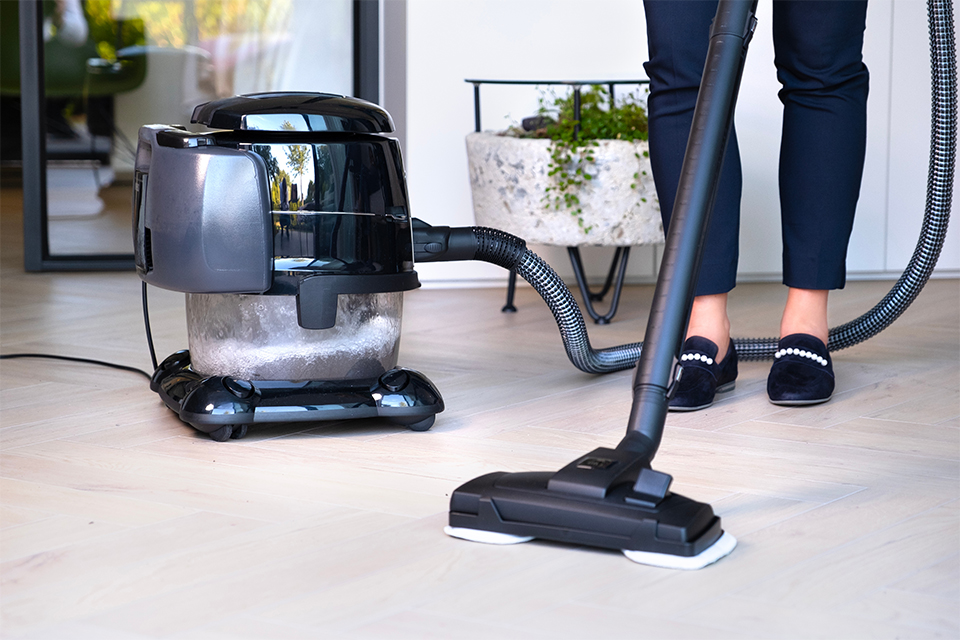
Nowadays, it is no longer just visible elements that define what luxury means in a hotel. Increasingly, it is about what guests feel and experience. From water-based air purification to chemical-free cleaning: innovative technologies contribute to a healthier and more sustainable indoor environment.
“A healthy indoor environment, impeccable hygiene and a setting that supports both physical and mental wellbeing: what used to be seen as a basic operational requirement is now a key factor in guest satisfaction, reviews and loyalty. In today’s society, hospitality is all about the overall experience. The sector is therefore at a turning point,” says Nadia Paulovich, director of Hyla Belgium.
Hotel guests“ expectations have changed significantly in recent years. ‘A tidy room is no longer enough; they expect an environment that also feels clean and healthy. Air quality, odour and the absence of dust and allergens largely determine that perception. Hygiene is moving from the background to become an integral part of the brand experience. Cleaning no longer just means ’visible‘ cleanliness, but also ’demonstrably deep” cleanliness.”
“Traditional cleaning methods often fall short because they merely displace dirt rather than removing it completely,” warns Paulovich. “That is why more and more hotels are investing in technologies that go beyond superficial cleaning. Systems that bind dirt particles in water whilst purifying the air at the same time take hygiene to a whole new level.”
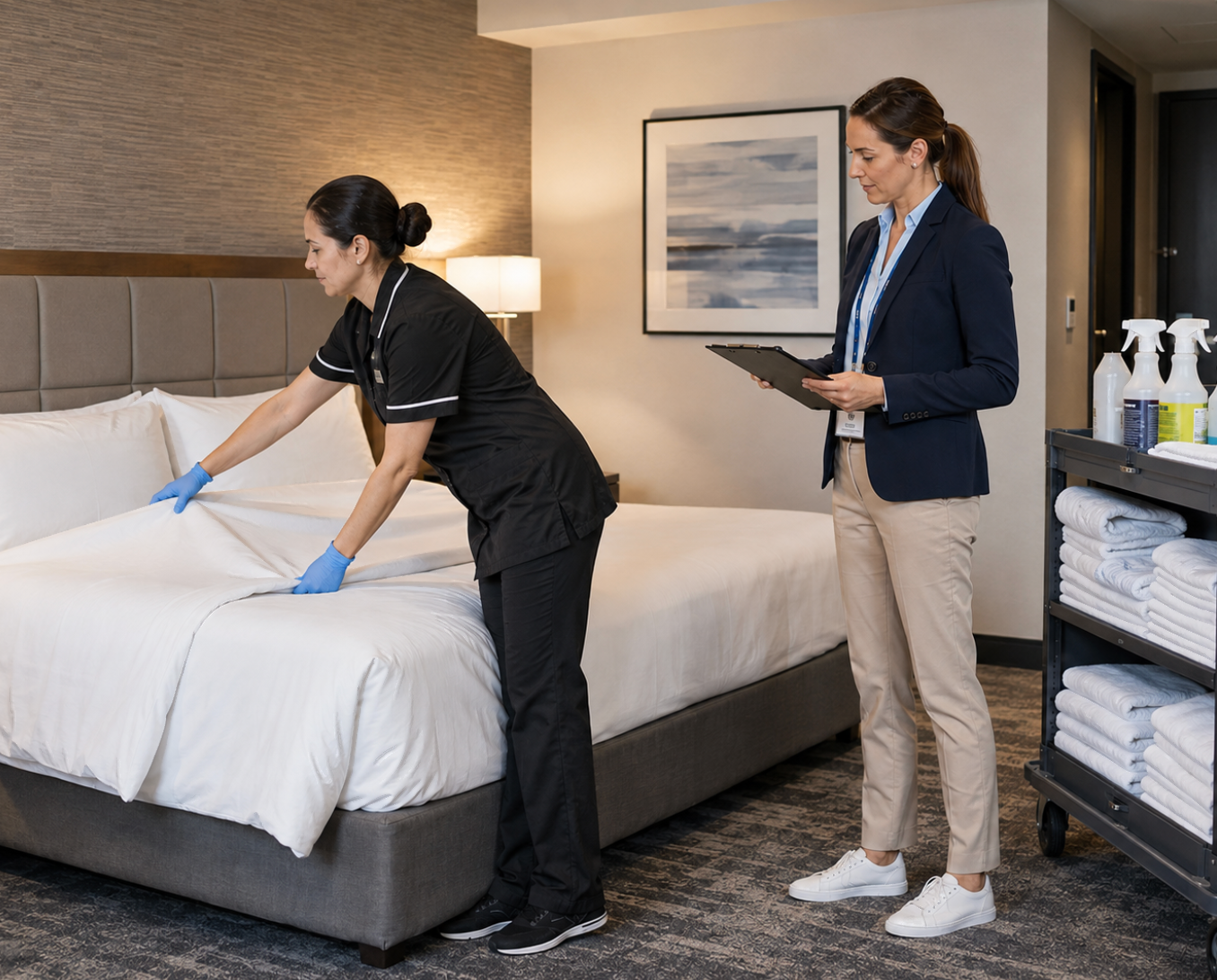
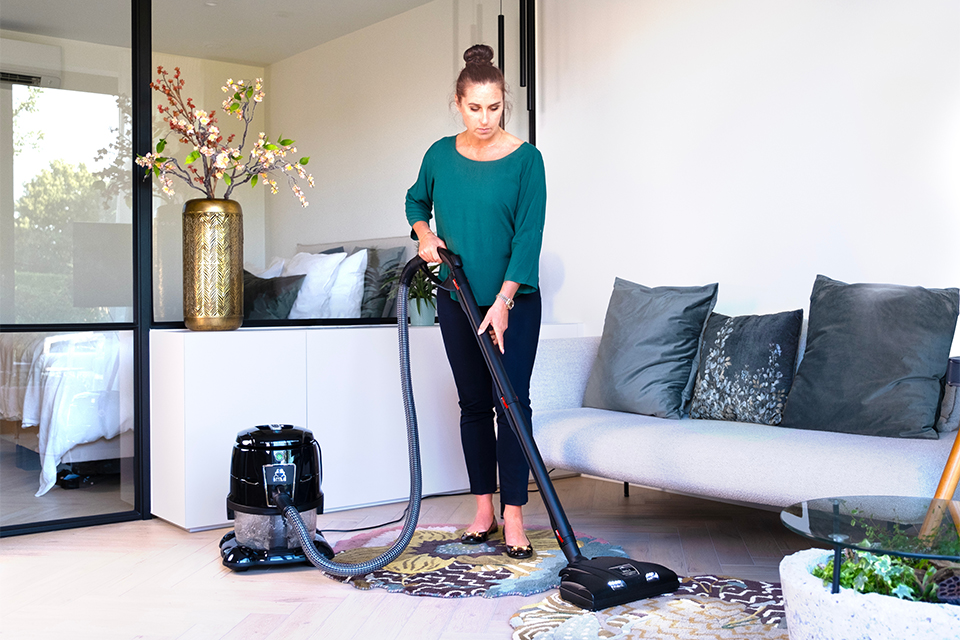
Cleaning textiles and hard-to-reach surfaces remains a major challenge. Carpets, mattresses, curtains and upholstery fabrics are often hidden reservoirs of dust, bacteria and allergens. “Deep cleaning is crucial to tackling this problem. By effectively removing dirt and microparticles from materials, rather than just treating them superficially, there is a noticeable difference in freshness and comfort.”
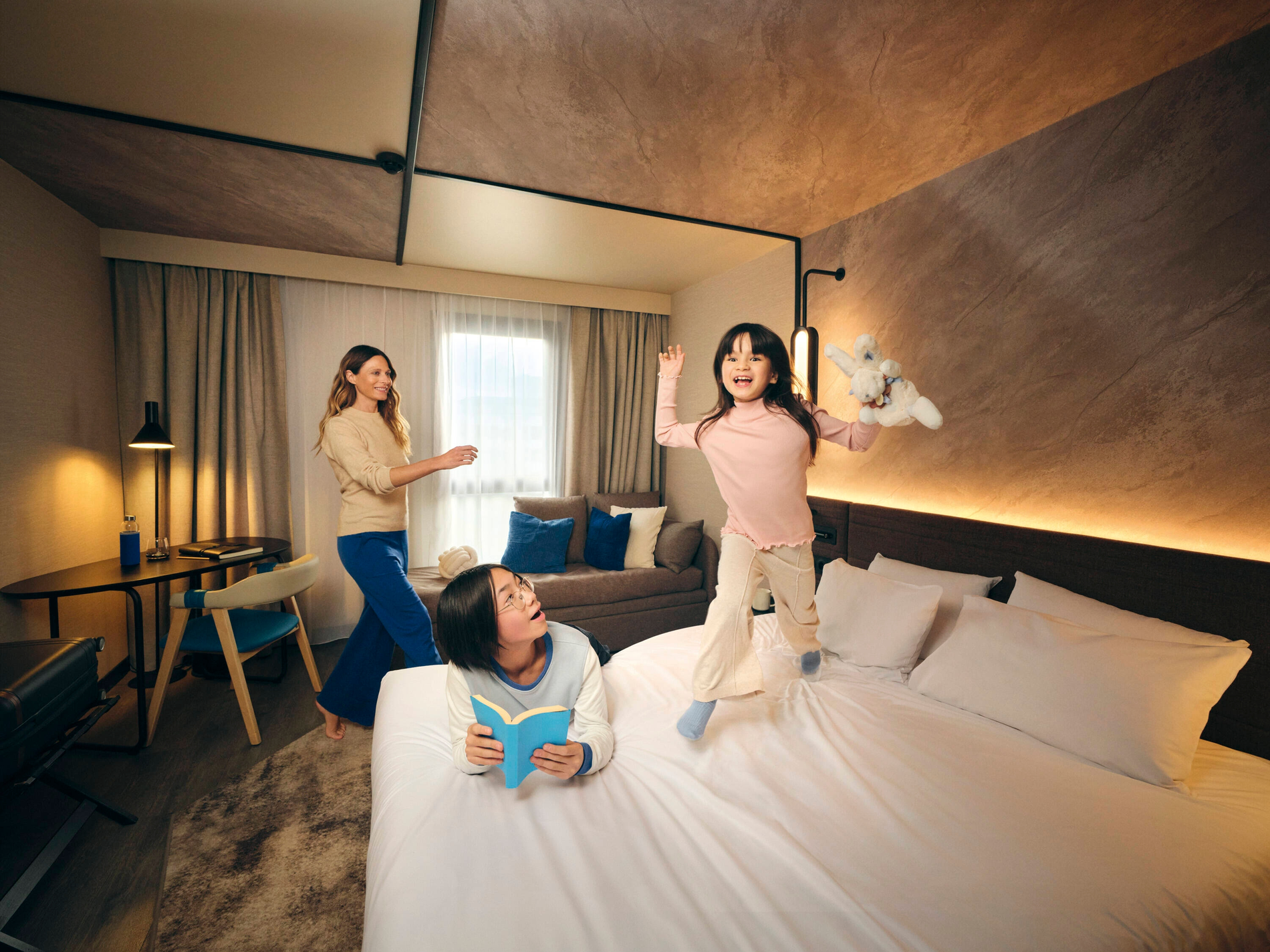
In practice, this means that rooms not only look clean, but also feel clean and smell fresh. “This means guests experience better hygiene, a better indoor climate and no musty odours. This translates into a better night’s sleep and higher satisfaction levels; factors that have a direct impact on reviews and repeat bookings,” says Paulovich.
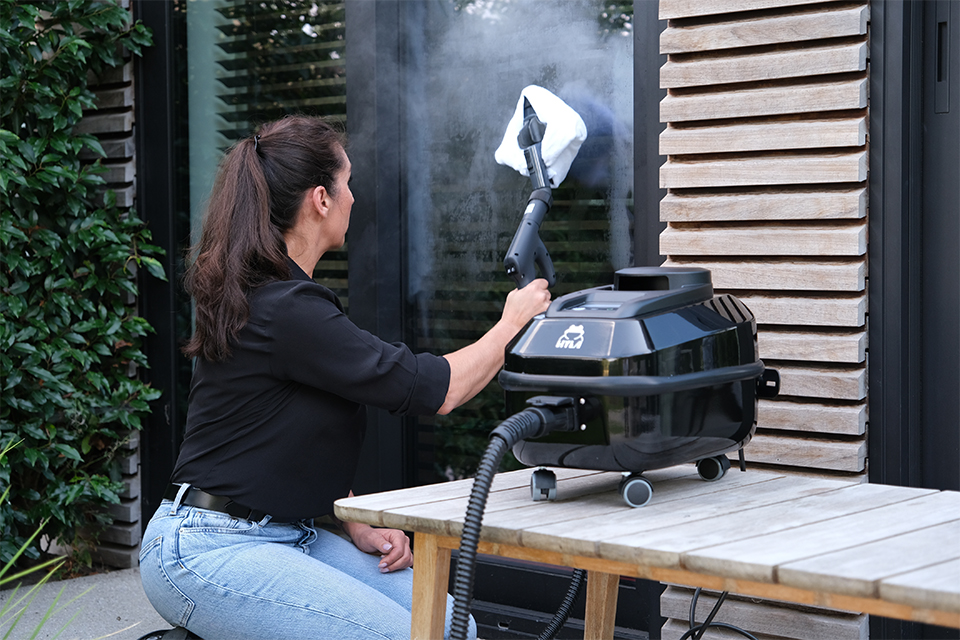
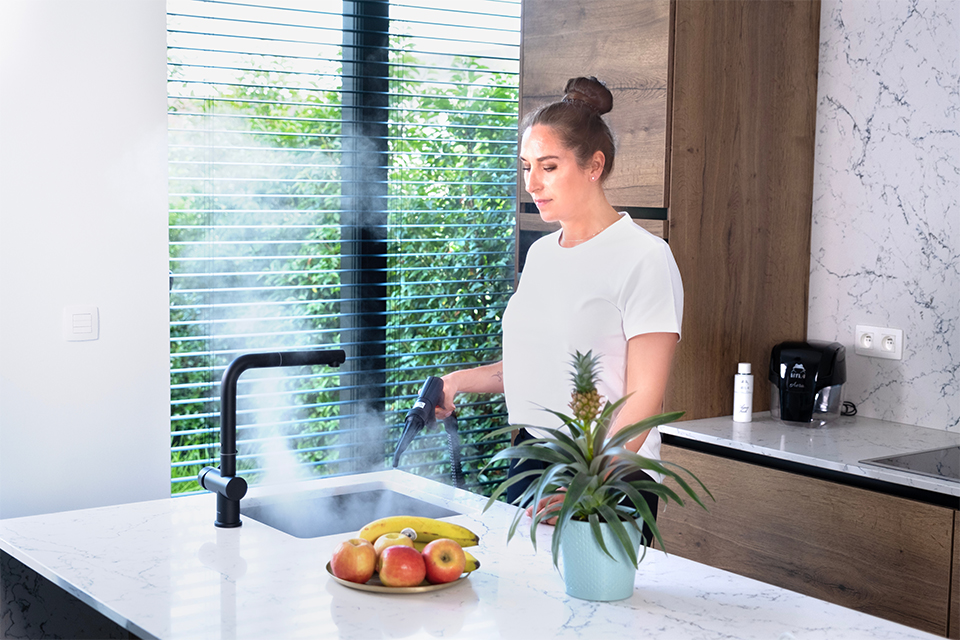
As well as deep cleaning, dry steam cleaning is also gaining in importance. This technique makes it possible to clean and disinfect thoroughly with minimal water consumption and without the use of harsh chemicals. “For hotels, this means more efficient cleaning of bathrooms, kitchens and hard surfaces, faster drying times and a higher room turnover.”
Innovative cleaning systems combine multiple functions in a single unit. “From vacuuming and deep cleaning to wet cleaning and air purification: everything can be integrated into a single workflow. For housekeeping, this means fewer steps, time saved per room and a more consistent result.” In addition, the reduced use of chemical products, disposable materials and external services leads to a direct reduction in operational costs.
The cleaning methods chosen also have an impact on staff wellbeing. “Traditional methods often involve physical strain and exposure to chemicals. More efficient systems using fewer chemicals create a healthier and more pleasant working environment. This reduces physical strain, minimises contact with harsh products and improves air quality whilst at work. In the long term, this can lead to reduced absenteeism and higher staff satisfaction: crucial in a sector where staff shortages remain a persistent issue.”
Although the focus is on hygiene and efficiency, these systems also offer clear sustainability benefits. Reduced use of detergents, no dust bags or disposable filters, and a lower volume of waste all contribute to more environmentally friendly operations. “For hotels, investing in hygiene also means investing in a stronger sustainability profile without any extra effort.”
In today’s hotel experience, hygiene has become a crucial factor for success. Technologies that combine deep cleaning, steam cleaning and air purification make it possible to meet – and even exceed – guests’ expectations.
Neem dan rechtstreeks contact op met HYLA Belgium.
 Contact opnemen
The ultimate cleaning solution for hotels HYLA Belgium offers advanced cleaning systems that ensure a better hotel experience for your guests. How do HYLA products contribute to an improved hotel experience ? Optimal air quality The innovative water filtration of HYLA appliances effectively removes allergens, bacteria and pollutants. This ensures clean and healthy indoor air without the use [...]
View Company profile Nederlands Nederlands
  English (UK)