hotelvak.eu
EN

Platform on hotelmanagement, interiordesign and design in the Netherlands

By: Daniel Moerman, Team Lead, Account Management at Lightspeed
The number of pubs in the Netherlands has been falling steadily for years: at the start of this year, there were two hundred fewer than the previous year. And the rest of the hospitality sector is also under pressure. In a business climate like this, the little details make all the difference. Yet chefs and floor managers often base their decisions on gut instinct. “It was a good evening”, “The serving pace was slower”, or “That burger is what keeps people coming back.” Sound familiar? Often, that gut feeling is spot on, especially if you’ve been in the business for a long time. But it says nothing about the reasons behind it. And those are becoming increasingly important.
As Team Lead for Account Management at Lightspeed, I help and support clients with their technical issues, and together we look for ways to cut costs, make operations more efficient and, ultimately, improve the guest experience!
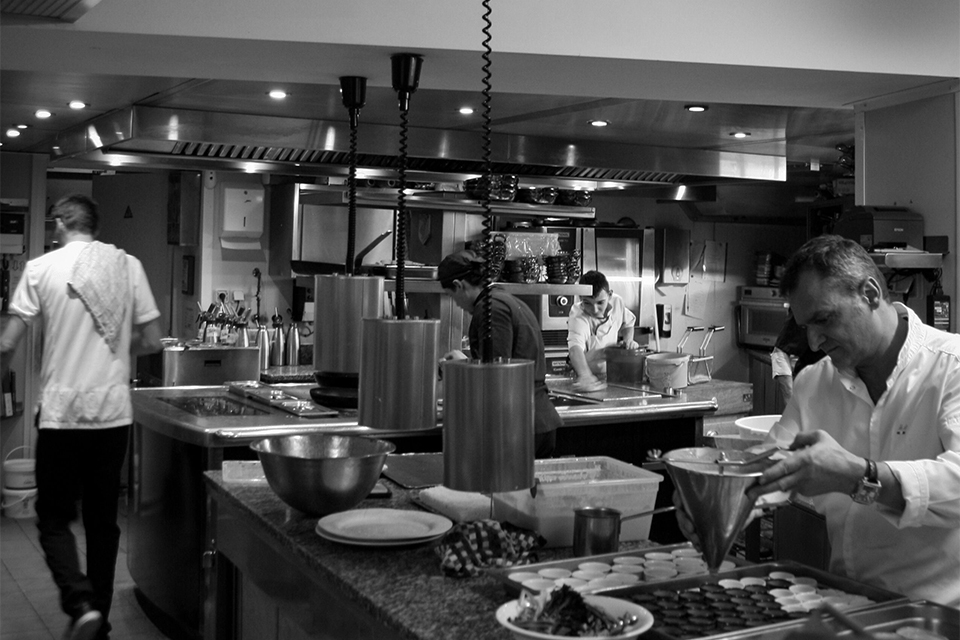
Pressure in the hospitality sector remains high and will continue to be felt for the rest of the year. For example, the minimum wage increased on 1 July, and finding good staff remains a challenge. Culinary craftsmanship continues to stem from creativity and a chef’s signature style, but more and more chefs are broadening their role by also contributing strategically to considerations regarding profitability, stock management and price perception. I also observed this trend at the Horecava last January, where a chef demonstrated in a masterclass how to create culinary masterpieces in an affordable way. It illustrates how the hospitality sector’s need to use ingredients more wisely is reflected in the dishes themselves.
This calls for smarter collaboration between the front-of-house and back-of-house teams in a catering business. If you really want to work together effectively, you need a broad understanding of what’s going on. Sales figures are often a topic of discussion in this context. But they don’t always tell the whole story. Suppose, according to the sales figures, your burger is your best-selling dish. But is it also a retention product that encourages repeat visits? If half your customers are tourists who fancy a hearty lunch after a long walk, then that bestseller is more of a fluke than a genuine driver of customer retention. You can’t gain that insight from sales figures alone. But if you have access to additional data, such as anonymised map data, then you can make this distinction. This shifts the conversation from ‘what sells well’ to ‘what makes guests come back?’ With these insights, you can make informed decisions about marketing and the menu.
Ideally, chefs and floor managers make these kinds of decisions together. At present, this collaboration often does exist, albeit with each drawing on their own area of expertise. What is changing is that they are gaining access to more and better-structured data on what works and, above all, why. Technology and data cut through the noise and provide tools to shift discussions from gut feelings to facts.
One example is kitchen display software. It’s relatively new, but gaining ground in the sector. At first glance, it’s simply the digital version of your receipt printer. But compared to that receipt printer, kitchen display software adds a second layer of functionality: data is also collected for each kitchen station on, for example, efficiency and the speed at which orders are processed. If you then combine this data with data from the front-of-house staff, you get an overall picture of how a shift went. Not based on gut feeling, but on hard facts.
An additional benefit of this is that you can use it to coach the team. Not to hold people to account, but to help them progress in their development. Take, for example, an employee who is keen to sell more wine. Using data, you can see what proportion of wine bottles sold can be attributed to that individual. This allows you to provide more targeted guidance to employees and help them develop beyond their basic duties.
Innovation is being embraced cautiously in the hospitality sector. Not everyone is keen to change the way they work, and high staff turnover doesn’t help matters either. Nevertheless, the shift towards data-driven working is continuing, slowly but surely. Younger chefs are growing up with technology and are driving the sector forward. Each business decides when the time is right, but in a tight market, every advantage counts. Data-driven collaboration between the kitchen and the front of house is one such advantage. After all, the distinction between a hunch and actual knowledge makes all the difference.
Neem dan rechtstreeks contact op met Lightspeed Commerce.
 Contact opnemen
Lightspeed's complete enterprise platform enables global entrepreneurs to simplify, scale up and deliver exceptional experiences. Our POS system is designed for hospitality entrepreneurs with ambition. Forget business as usual: we give entrepreneurs the tools they need to challenge the status quo.
View Company profile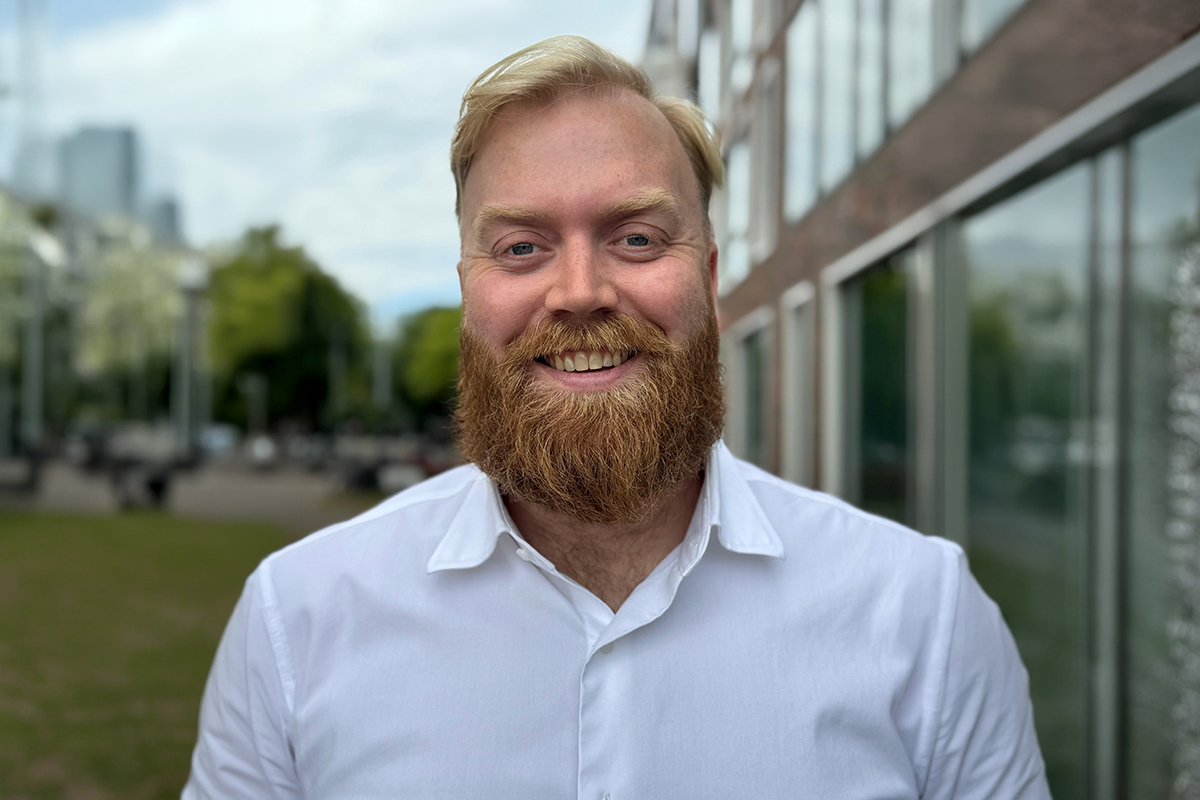

 Nederlands Nederlands
  English (UK)