hotelvak.eu
EN

Platform on hotelmanagement, interiordesign and design in the Netherlands
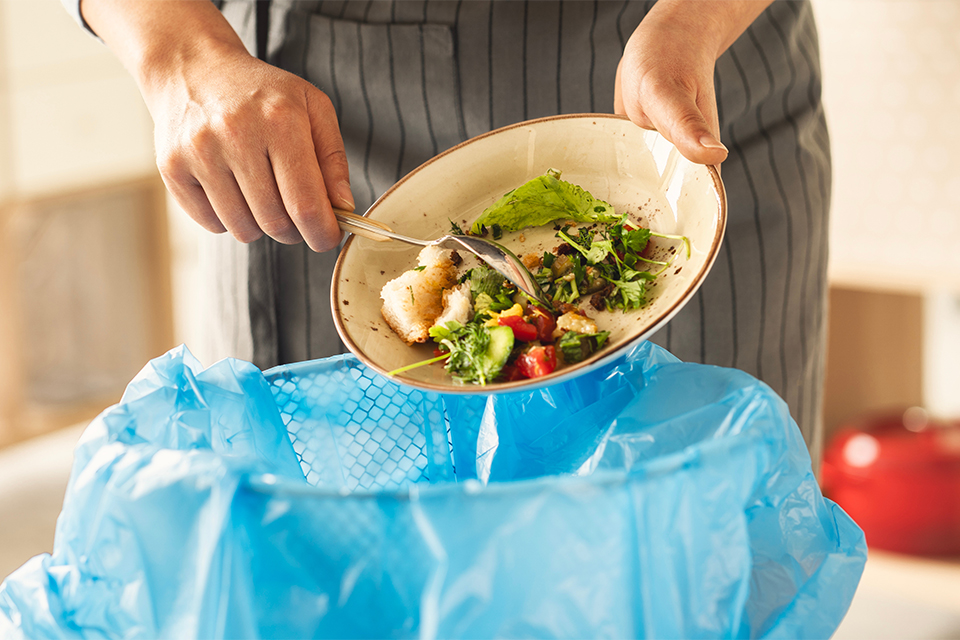
Nothing beats a well-stocked breakfast buffet for guests, until leftovers are left over at the end of the morning. Under the guise of ‘measuring is knowing’, the Foundation Together Against Food Waste maps food waste with the Hotel Monitor.
To get a good insight into food waste at breakfast buffets, initiator Samen tegen Voedselverswilling hooked up a research team and several hotels. Wageningen University & Research analysed the results. Initial results from the Hotel Monitor show that an average of 62.2 grams per breakfast guest is left at the end of the buffet. To clarify this picture; that is equivalent to two sandwiches.
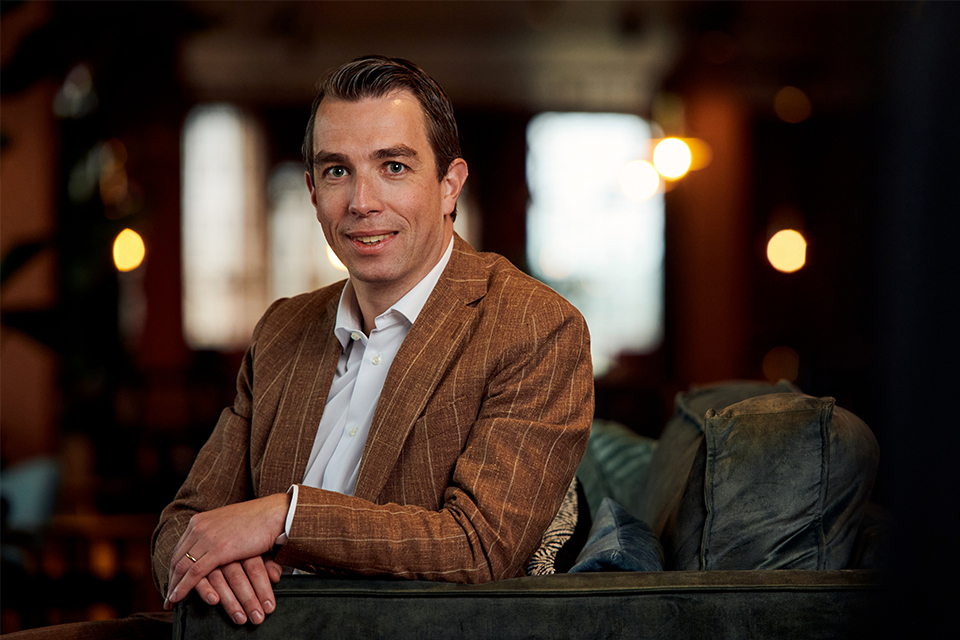
Erik-Jan Bausch is General Manager of Leonardo Royal Hotel Amsterdam, one of the participating hotels in this wide-ranging study. For him, participation was a matter of course: “We think it's important to gain insight into where waste occurs. Only by measuring properly can you really improve. At Leonardo Hotels, we believe that hospitality and sustainability can go very well together.” Besides the Leonardo Royal Hotel Amsterdam, several Hilton hotels, Westcord and Double Tree branches also participated in the study.
The Hotel Monitor revealed where in the breakfast chain most food waste occurs. The data analysed was based on 24 hotels, 3,400 measurement days, 96,000 kilos of recorded products and trimmings and 850,000 guests. It was immediately clear that most food waste is in bread and hot dishes; to be precise, 53.9 per cent per guest per breakfast. This is where the most profit can be made for hotels to reduce waste.
Within Leonardo Hotels, meanwhile, they have also been using AI to chart this for some time. “We have been working for over two years with Orbisk, a smart AI solution that uses cameras and weighing technology to record, which products are discarded and in what quantities. This gives our teams very concrete insight into where waste occurs and which adjustments make an immediate impact,” Bausch explains. “This data-driven approach has allowed us to reduce our food waste by around ten per cent. This not only results in less waste, but also raises awareness within our teams.”
It did not stop at measuring, by the way, as the hotels also discussed challenges and best practices with each other. At the Leonardo Royal Hotel Amsterdam, they can immediately put the insights to work. Bausch: “What we see above all is that smarter procurement, better anticipation of guest flows and actively involving employees in preventing waste work very well. We believe in sustainable solutions that can be practically applied in daily hotel operations and immediately help to work more consciously and efficiently.”
But how do you combat food waste and give guests the most complete breakfast experience? The most striking tip from the participating hotels has everything to do with raising awareness within the team. Organise a competition or challenge within the hotel, so that it becomes their own challenge. The guest may also become part of the process. Good communication is essential, so they know this is being addressed. Bausch also applies this within his hotel: “We are increasingly talking to conference and event organisers to include zero food waste as a starting point in their event. By taking a critical look together at numbers, buffets and food concepts, we can further reduce waste without making concessions to the guest experience.”
The Hotel Monitor shows that small adjustments already yield a lot of gains in combating food waste. Bausch also sees this: “With 490 rooms, almost 600 guests having breakfast every day and also many large events, the impact of food waste in a hotel like ours is considerable. This is precisely why relatively small improvements in operations can quickly make a big difference.”
Measuring is the starting point for combating food waste, Koninklijke Horeca Nederland also stresses. It helps you buy and produce in a more targeted way. And by organising the breakfast buffet in a smarter way, you also take big steps to combat food waste. Huge filled platters may be an eye-catcher at the breakfast buffet, but they increase waste. By working with smaller quantities, you counteract this. A smaller variety of hot dishes is also a big step forward. And of course very important: communicate with your guests. Once they understand, awareness will follow naturally. Just like reducing waste.
Neem dan rechtstreeks contact op met Royal Dutch Catering Association.
 Contact opnemen
Largest trade organisation Royal Catering Netherlands (KHN) is the largest catering trade organisation in the country, with over 20,000 catering entrepreneurs and thus some 255,000 catering employees we represent. We are committed to the industry, give advice and keep an eye on all the news surrounding the hospitality industry. We also regularly launch our own campaigns to ensure [...]
View Company profile Nederlands Nederlands
  English (UK)