hotelvak.eu
EN

Platform on hotelmanagement, interiordesign and design in the Netherlands
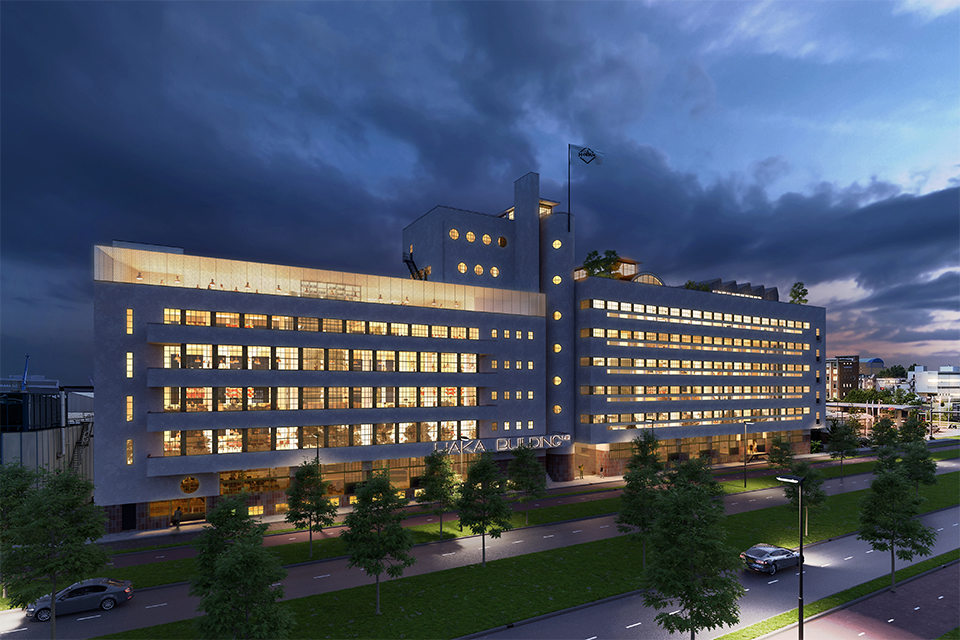
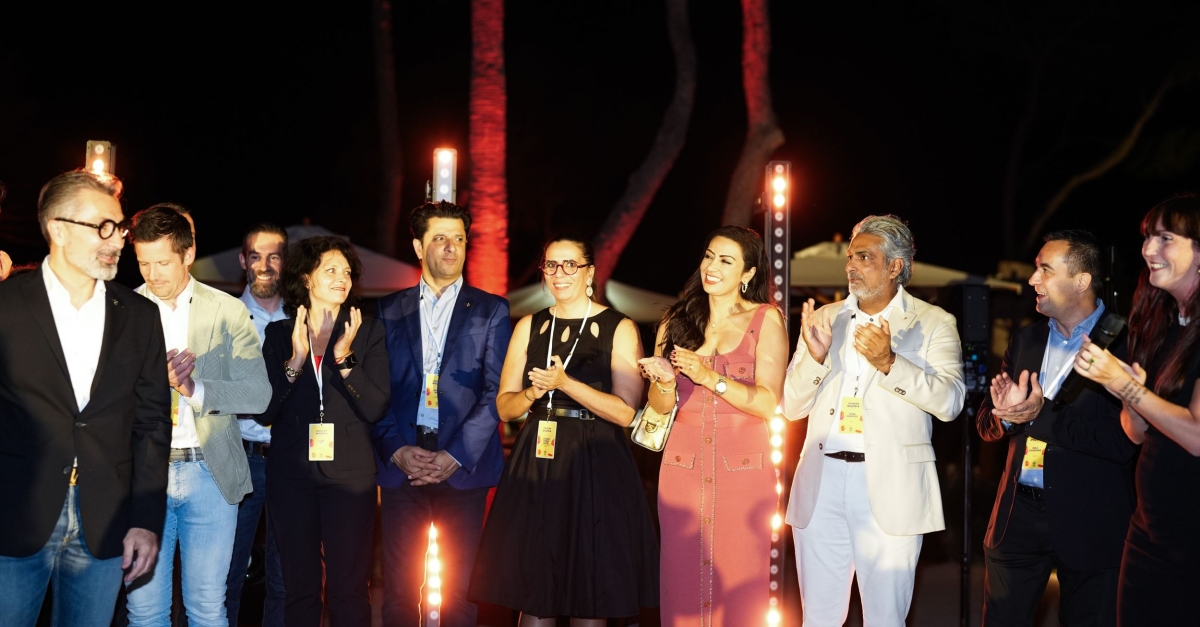
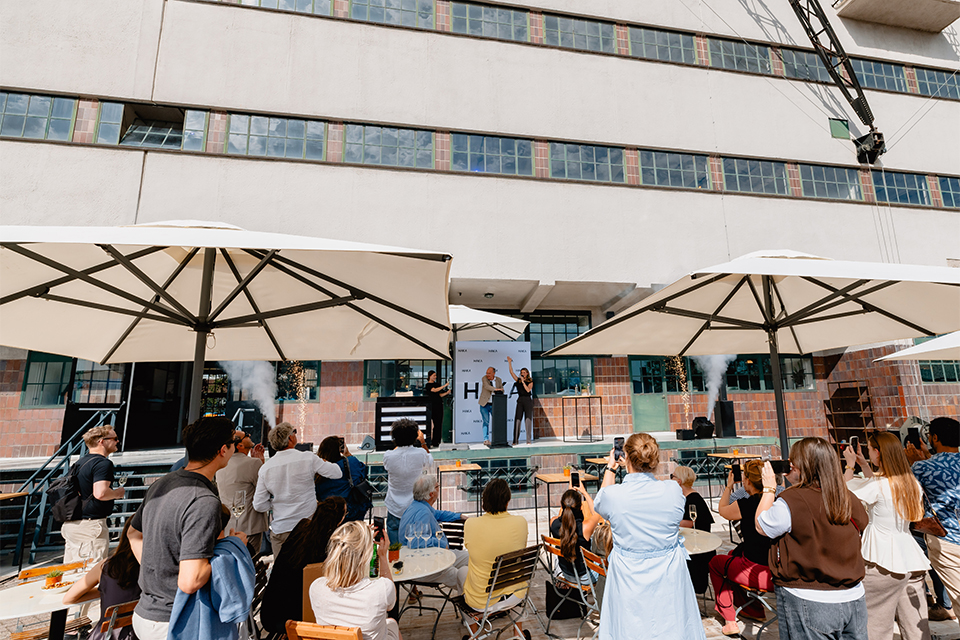
Dudok Horeca Group has officially opened the listed HAKA building in Rotterdam as a new hospitality and events venue. During a private opening on 28 May, the listed building in the Merwe-Vierhavens area was given a new lease of life under the name HAKA Rotterdam. Part of this is HAKA Urban Bistro, a restaurant on the ground floor of the former commercial premises.
The opening brings to an end a long period of vacancy and temporary use. For many years, the HAKA building was regarded as one of the most recognisable industrial buildings in Rotterdam’s western port area, but it no longer served any permanent public purpose. Dudok Horeca Groep now aims to reintegrate the building into the city, offering a combination of catering, business meetings, conferences, events and cultural programmes.
The HAKA building was constructed in 1932 for the Co-operative Wholesale Association ‘De Handelskamer’, better known as HAKA. The design by architects Hermann Friedrich Mertens and Jacobus Koeman is regarded as an example of New Objectivity, an architectural movement centred on functionality, light, space and clear-cut structures. The building has held the status of a listed building since 2002.
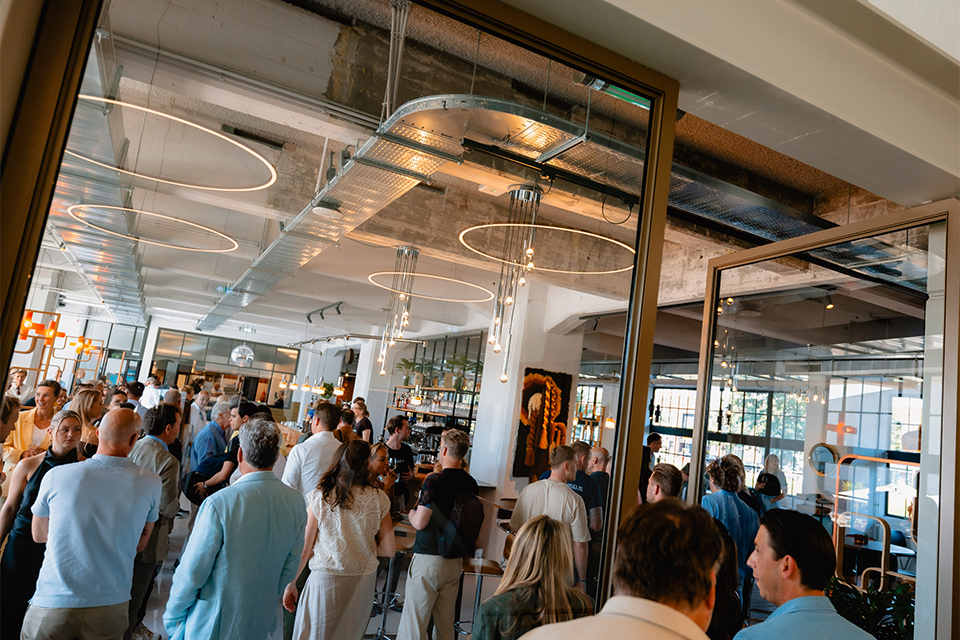
The reopening forms part of the wider development of M4H, the former port and industrial area that is set to undergo further transformation in the coming years into a mixed-use district for living, working, creativity and culture. According to Dudok Horeca Groep, it is precisely in this area that HAKA Rotterdam is set to become a new meeting place. “With the arrival of the Urban Bistro and the event spaces, we are breathing new life into this historic building. At the same time, we are contributing to the development of the M4H area into an inspiring place for creators, entrepreneurs and a new generation of city dwellers,” says Frans Salawanej, commercial director at Dudok Horeca Groep.
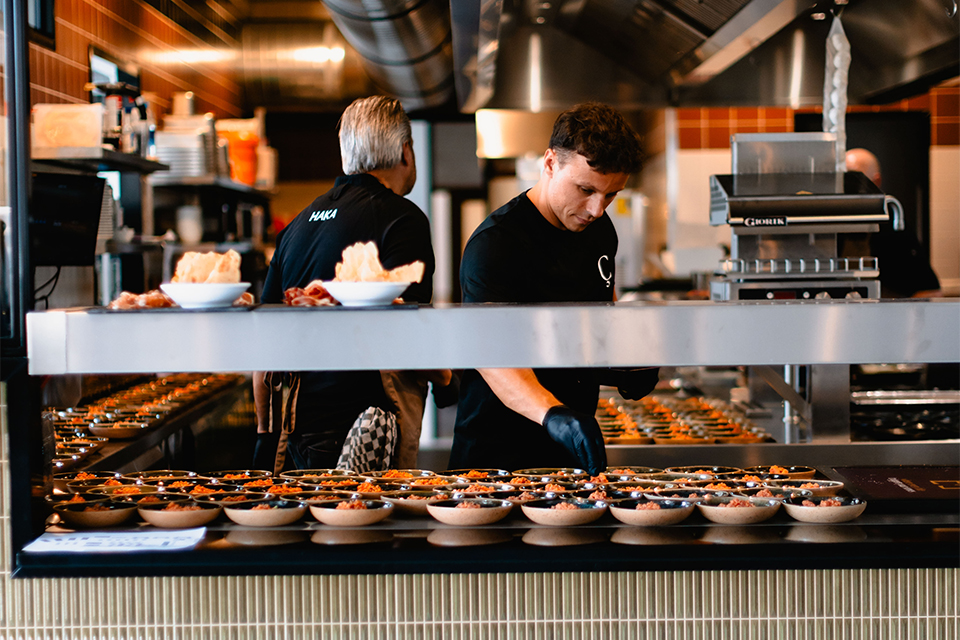
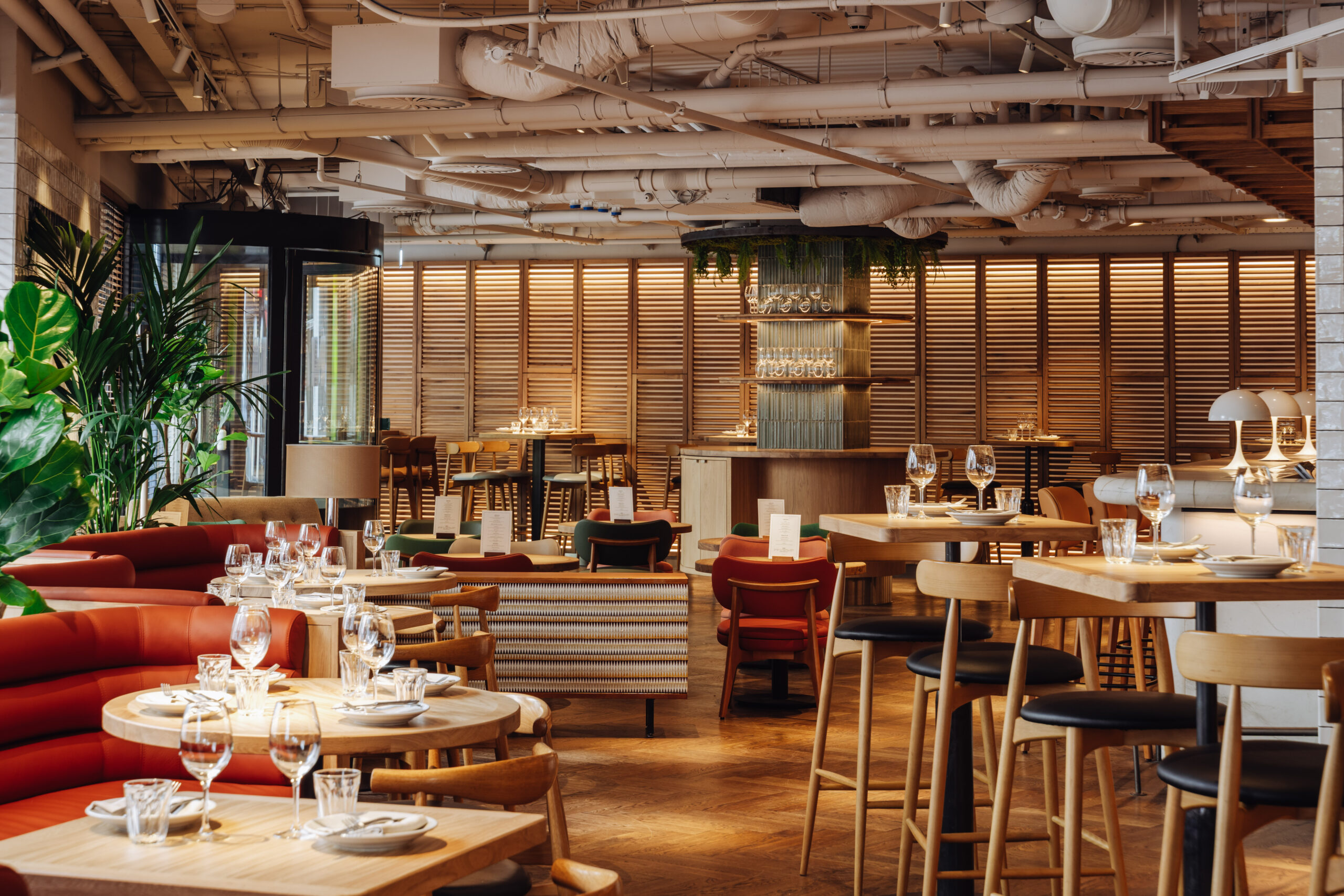
The property is owned by Dudok Real Estate. According to those involved, the renovation sought to strike a balance between preservation and new use. WDJARCHITECTEN were responsible for the refurbishment of the building, during which characteristic elements of the original design were retained. For the restaurant’s interior, Dudok collaborated with Ron Tetteroo. As a result, the building’s industrial character remains visible, but has been complemented by a design that is in keeping with its new role as a restaurant.
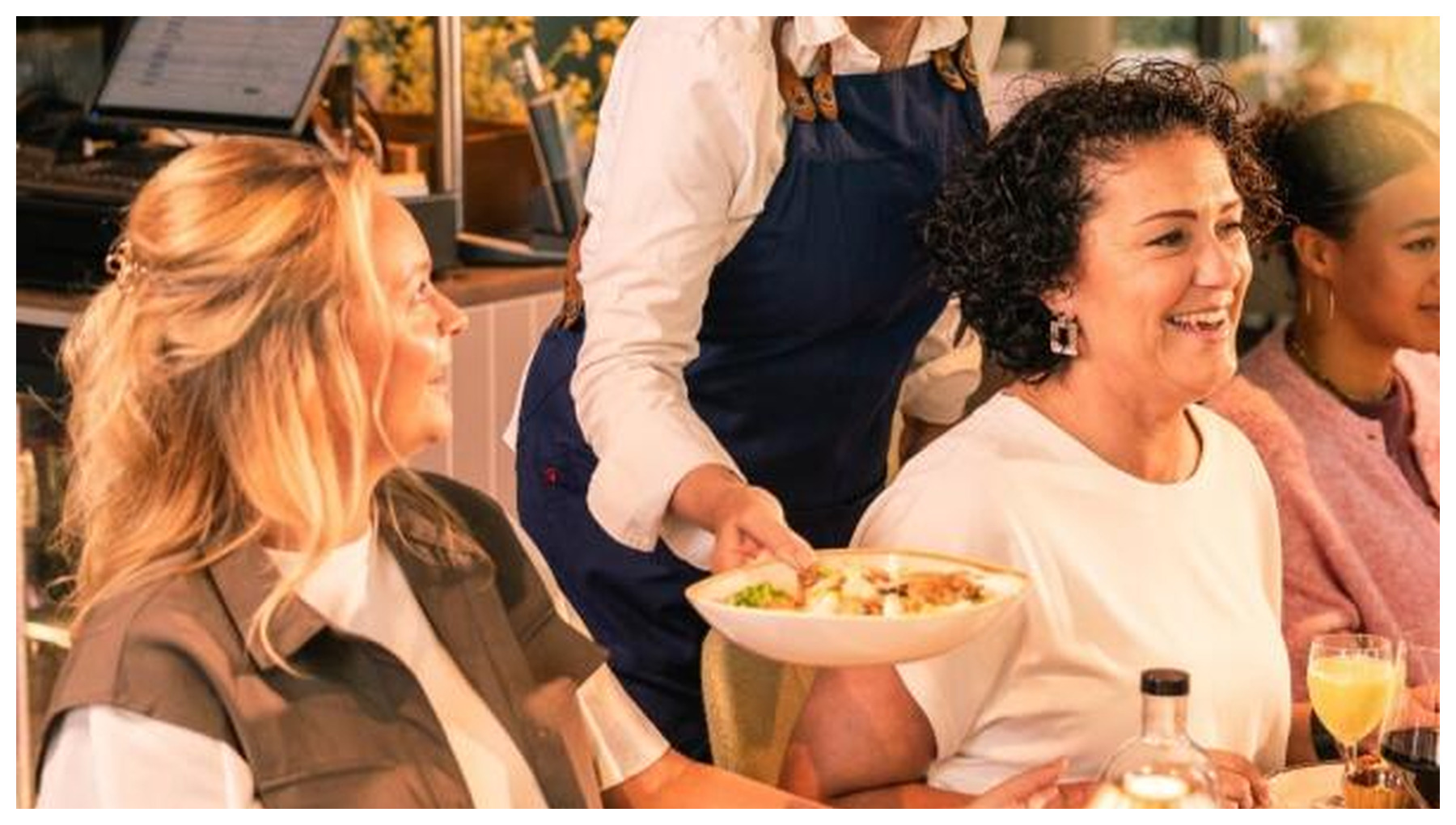
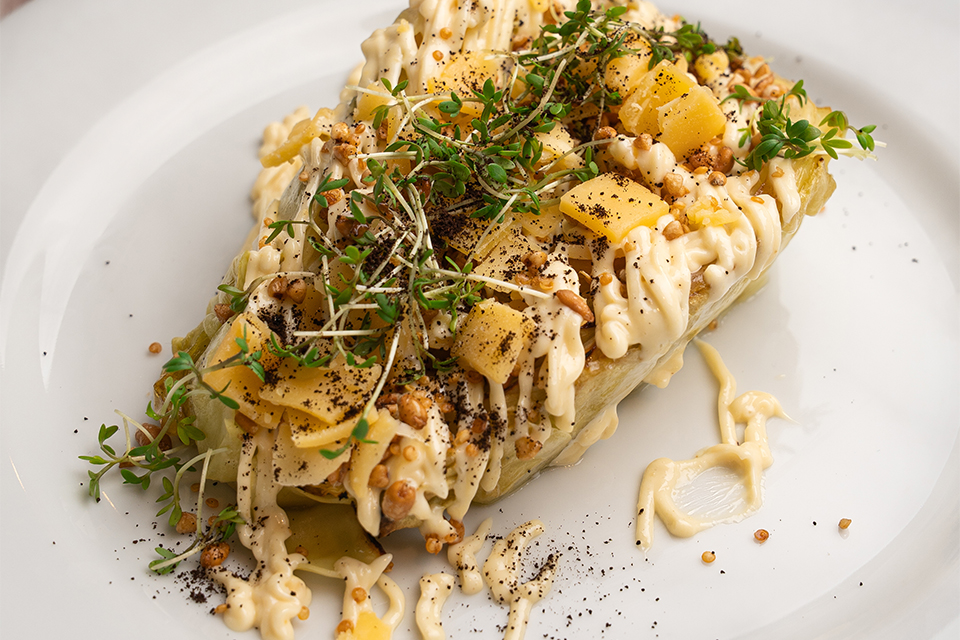
HAKA Urban Bistro is now located on the ground floor. The restaurant focuses on lunch and dinner and offers an accessible menu, inspired by Rotterdam, the harbour area and the city’s diverse cultures. Dudok describes the cuisine as contemporary and no-nonsense, with room for experimentation. In doing so, the hospitality group aims to cater not only to the restaurant’s diners, but also to the building’s business and cultural users.
As well as the restaurant, the building is equipped to host a wide range of events. The venue comprises three floors, each with its own distinct character. The basement is suitable for smaller gatherings, breakout sessions, private dinners and parties. Due to its lower level and darker atmosphere, this space is particularly well-suited to more intimate or distinctive events.
The ground floor is the most public part of the building. It houses the restaurant, alongside a separate private dining room that can be closed off with large sliding glass doors. The entire floor can accommodate around 150 to 200 people for a sit-down lunch or dinner.
The first floor is designed for larger gatherings, such as conferences, receptions, drinks parties and corporate events. Thanks to the natural light and the industrial character of the space, the building’s original structure remains visible here too. Outside, HAKA Rotterdam features a spacious terrace with an open fire. In due course, a vegetable garden and additional greenery are also to be added there.
Dudok Horeca Group explicitly views the venue not just as a restaurant or conference centre, but also as a space for cultural programming. On 1 August, for example, the ‘Dagvlinder’ event is scheduled to take place, making use of the entire site. This means that the HAKA building will also play a role in the area beyond its regular catering and event functions.
Following its opening, HAKA Urban Bistro will initially be open for dinner from Thursday to Friday. On Saturdays, the restaurant will be open for lunch and dinner, and on Sundays for lunch. Meanwhile, Dudok Horeca Group is still in the process of finalising the kitchen team. Among other roles, the group is looking for a head chef, sous chef and chef de partie.
For Dudok, HAKA Rotterdam represents an expansion of its existing activities in the hospitality, events and patisserie sectors. The group is known for its grand cafés, patisseries and event venues, and often opts for buildings with clear urban or historical significance. With the HAKA building, the organisation is adding a striking Rotterdam listed building to its portfolio.
The reopening is therefore not only a new step for Dudok, but also a sign of the changing role of the M4H area. Whereas the HAKA building was once part of Rotterdam’s history of logistics and cooperative trade, it is now set to become a place where hospitality, work, culture and events come together.
 Nederlands Nederlands
  English (UK)