hotelvak.eu
EN

Platform on hotelmanagement, interiordesign and design in the Netherlands
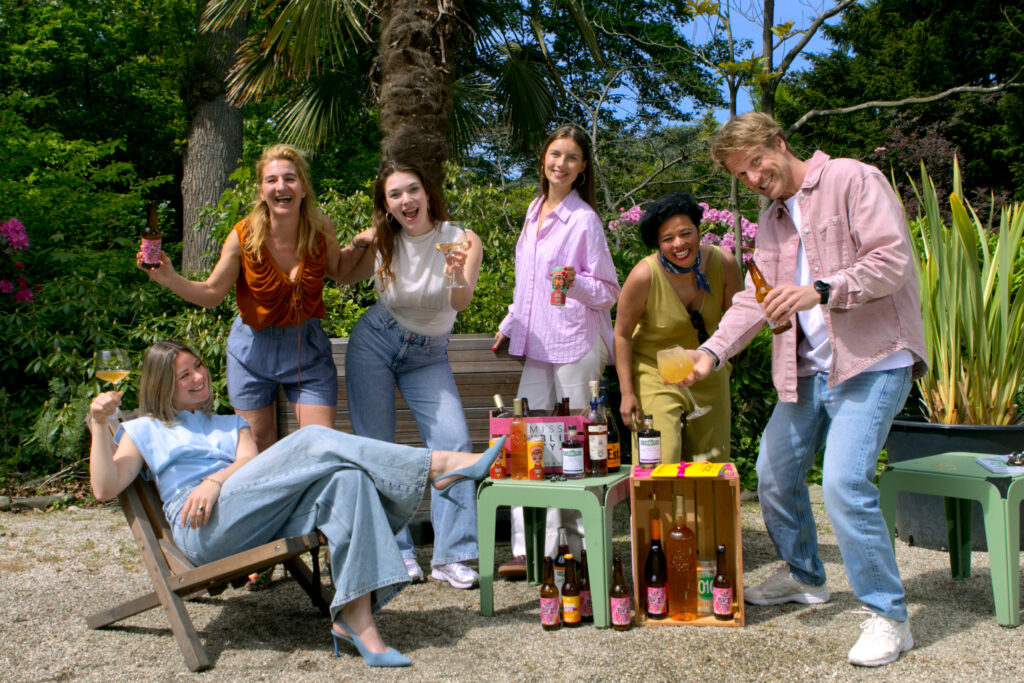
This summer, ‘light’ is the theme when it comes to drinks. Light colours, light flavours and low alcohol content. So, refreshing spritzers, sparkling wines and drinks with a smooth finish. We also like it when a drink does something ”better for you’. A little caffeine, high-quality botanicals or even extra virgin olive oil provide just that extra bit of functionality.”
– Gijsbregt Brouwer, food and drink trend analyst.
It is with great pleasure, and in collaboration with an expert, that MissPublicity brings together a selection of brands in this Summer Drink Special 2026. This special features a collection that focuses on current trends and responds to today’s developments. From botanical soft drinks and colourful coffee trends to refined sparkling wines, cascara serves, Mediterranean flavours and products that combine taste with a story.
This trend is becoming increasingly evident in the hospitality sector. By 2026, drinks will no longer be solely about what’s in the glass. From presentation and storytelling to provenance, ingredients and atmosphere: the way a drink is served, enjoyed and shared is playing an ever-greater role.
At the same time, there is a growing demand for lighter, more refined flavours. Less sweet, more character. Consumers are increasingly opting for products with a clear provenance, artisanal production methods and ingredients that enhance both flavour and experience. There is also growing interest in botanicals, speciality coffee, Mediterranean flavours, craft products and so-called ‘better-for-you’ ingredients.
Glassware, colour, texture and appearance have become part of the overall experience. Drinks must not only taste good, but also fit in with the atmosphere of a venue and the occasion on which they are served.
We hope you enjoy this special edition and find it inspiring. But of course, we also want to treat you to the perfect drinking experience! For a select number of guests, MissPublicity is therefore organising the MissPublicity Summer Drink at Trompenburg Gardens & Arboretum in Rotterdam on 2 July, where the press, creators and hospitality professionals can discover and sample the brands featured in this special.
Botanicals, bubbles and signature British flavours
Craft soft drinks have long since ceased to be merely an alternative to alcohol. Demand is growing for sophisticated soft drinks with more character, complex flavours and a premium feel. Fentimans fits in perfectly with this trend.
The British brand is known for its botanically brewed soft drinks, which make use of infusions, fermentation and natural botanicals. This results in distinctive flavours with greater depth, less sweetness and an artisanal character.
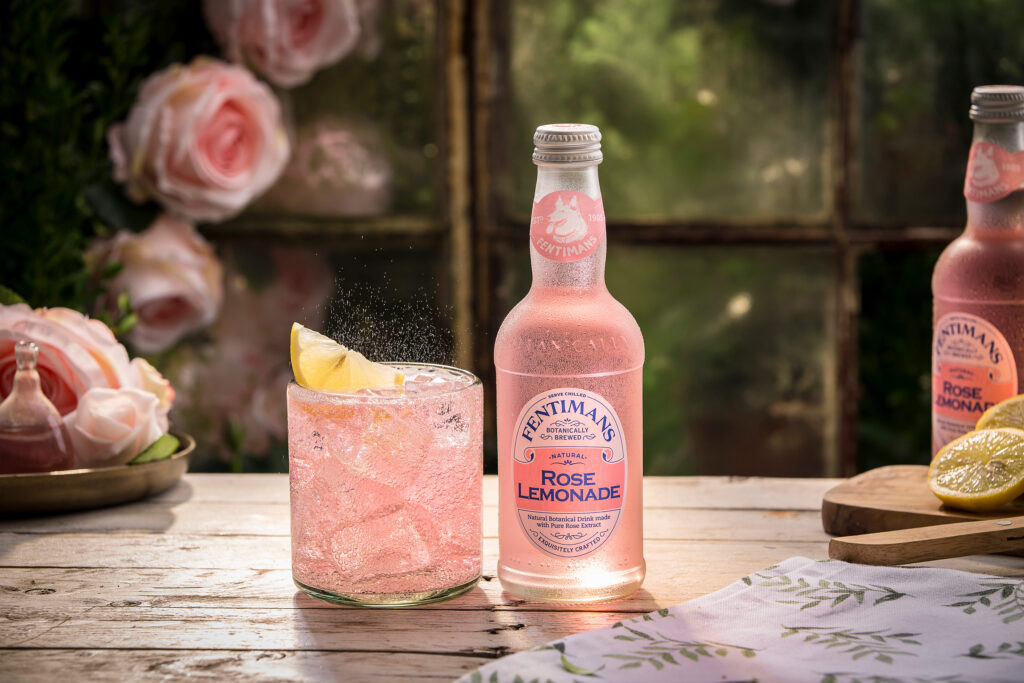
One of the best-known flavours is Rose Lemonade. This lemonade is made with pure Otto rose oil from the Bulgarian Rose Valley in Kazanlak, one of the most exclusive essential oils in the world. Combined with citrus, it creates an elegant lemonade with a subtle floral touch.
Rhubarb Lemonade also fits in with the growing popularity of premium soft drinks. Fresh citrus and the slightly tart flavour of rhubarb create a refined taste profile that sets it apart from traditional soft drinks.
With its blend of British heritage, botanical expertise and stylish presentation, Fentimans demonstrates how soft drinks continue to evolve. The brand proves that non-alcoholic drinks, too, are increasingly all about taste, quality and experience.
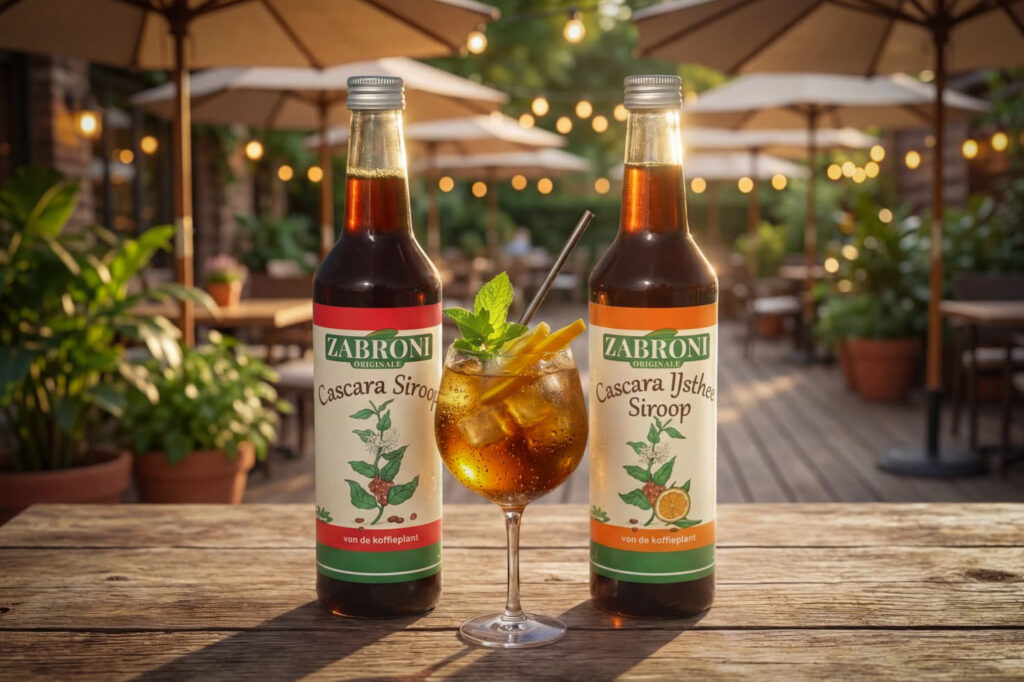
Cascara is taking the world of modern summer drinks by storm
Drinking lighter, fresher and more mindfully remains a key trend in the hospitality sector. At the same time, there is growing demand for drinks that offer more than just sweetness and refreshment. Consumers are increasingly looking for flavour, character and experience.
Cascara, the dried husk of the coffee cherry, fits perfectly with this trend. Whilst the ingredient was previously known mainly outside coffee-producing countries, more and more bartenders, chefs and beverage makers are discovering its versatility.
For its syrups, Zabroni uses cascara from four speciality coffee varieties: Geisha, Caturra, Typica and Red Bourbon. This creates a complex flavour profile with notes of dried fruit, subtle honey-like sweetness and fresh, tea-like accents.
It is precisely this complexity that sets cascara apart from many traditional soft drinks, which are often built around a single dominant flavour. The various aromas add depth and make cascara particularly well-suited as a base for modern summer drinks.
These syrups are ideal for iced teas, light spritzers, non-alcoholic cocktails and sophisticated mixed drinks. They provide bartenders and hospitality professionals with an ingredient that makes it easy to add more character and complexity to a drink.
With Zabroni, an ingredient that has long been overlooked is finally finding its place on the modern drinks menu. Not because it’s trendy, but because of its flavour.
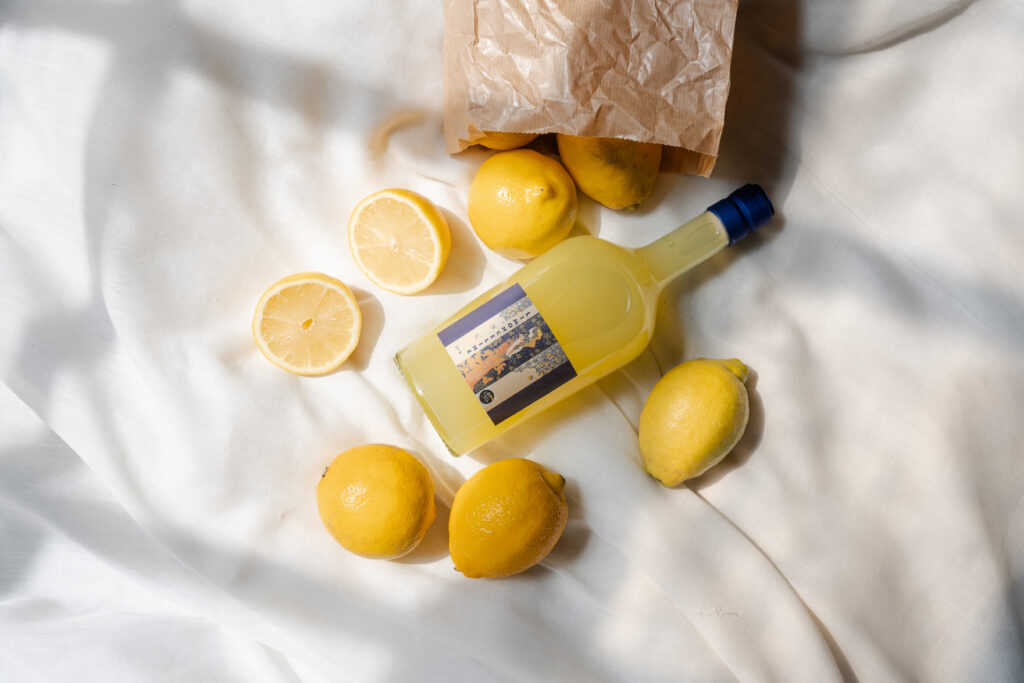
Artisanal limoncello from Maassluis with international appeal
Mediterranean flavours remain a key source of inspiration in the world of drinks. Citrus, spritz drinks and sophisticated aperitif moments are playing an increasingly significant role in this. Limoncello is evolving from a classic digestif into a versatile flavour enhancer for a wide range of occasions. Limonceline fits in perfectly with this trend.
The story behind the brand began during the coronavirus pandemic, when founder Eline van Dijk received a large crate of lemons and decided to make her own limoncello. What started as a small-scale experiment grew, within a few years, into an award-winning Dutch limoncello brand.
That quality did not go unnoticed. At the International Wine & Spirit Competition (IWSC), Limonceline was awarded a gold medal and named the world’s best limoncello. In 2025, two silver awards followed for Aranceline, the brand’s orange liqueur, and NICE, a combination of lemon and star anise.
All liqueurs are traditionally produced in Maassluis using organic citrus fruits from Italy, which are peeled by hand. This commitment to quality is evident in the smooth, fresh flavour, where pure citrus takes centre stage.
As well as the classic limoncello, the range includes a variety of unique flavours, such as blood orange, cream liqueur and orange-Sichuan. Limonceline also organises tastings and the ‘Chill & Schil’ workshop, where visitors can learn about the craft behind limoncello.
Through a combination of Mediterranean flavours, craftsmanship and entrepreneurship, Limonceline demonstrates how limoncello continues to evolve amid the growing interest in premium spirits.
https://www.limonceline.nl/
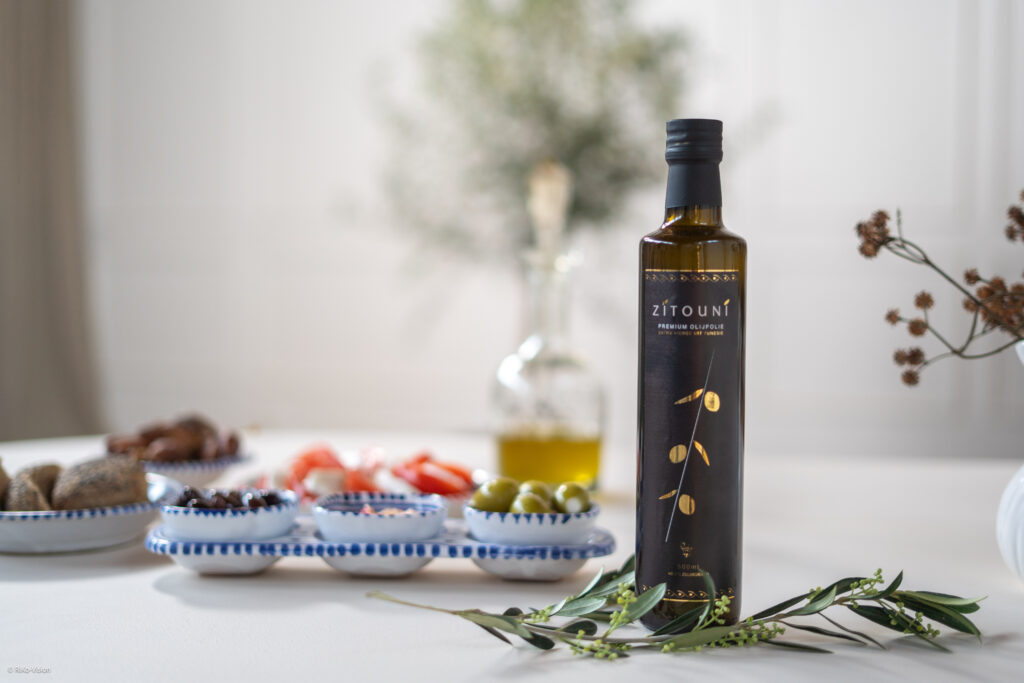
Olive oil as part of modern Mediterranean dining culture
Within the hospitality sector, there is a growing focus on products that not only enhance the quality of a dish but also contribute to the story behind it. Olive oil is playing an increasingly important role in this. From refined bread pairings and shared dining to table presentations and food pairings: the choice of a high-quality olive oil is becoming an increasingly visible part of the overall guest experience.
Zitouni fits perfectly with this trend. The brand produces organic extra virgin olive oil from the family’s land in Sidi Khlief, Tunisia, where olives have been grown for almost ninety years. The oil is cold-pressed, has an acidity of less than 0.31%, and is rich in polyphenols, ensuring a refined flavour and high quality.
This focus on craftsmanship did not go unnoticed. Having won gold at the 2025 Amsterdam International Olive Oil Competition, Zitouni was once again recognised in 2026. This places the brand among a new generation of producers who prioritise provenance, quality and transparency.
What also makes Zitouni special is its direct link to its origins. For every litre of olive oil sold, one euro goes towards social projects in the founding family’s home village in Tunisia. For example, investments have already been made in new sanitary facilities for a local primary school. Zitouni’s social mission is supported by journalist and children’s rights activist Sander de Kramer, who is involved as an ambassador for the brand and its projects for children and education.
With its Mediterranean character, strong family heritage, social commitment and focus on quality, Zitouni demonstrates how a seemingly simple product can become a valuable part of the modern hospitality experience.
Slovenian wine: sophistication, gastronomy and craftsmanship
In the world of wine, attention is increasingly turning to smaller wine-producing countries with a distinct character of their own. Slovenia is a striking example of this. The country is gaining ground internationally in the fields of gastronomy and hospitality, partly thanks to its fresh climate wines, refined sparkling wines and a new generation of winemakers who combine tradition with innovation.
Puklavec Family Wines is one of Slovenia’s best-known wineries and demonstrates just how versatile modern Slovenian wine can be today. From approachable white blends to gourmet cuvées and refined sparkling wines: quality, terroir and precision are the common thread.
One of the most striking new releases is Trois Femmes, a white cuvée developed in collaboration with three female JRE sommeliers from the Netherlands, Germany and Slovenia. The wine not only brings together different wine cultures, but also symbolises the growing visibility of women within the international wine world. Furthermore, Trois Femmes is bottled in a carbon-neutral bottle, in keeping with the winery’s sustainable vision.
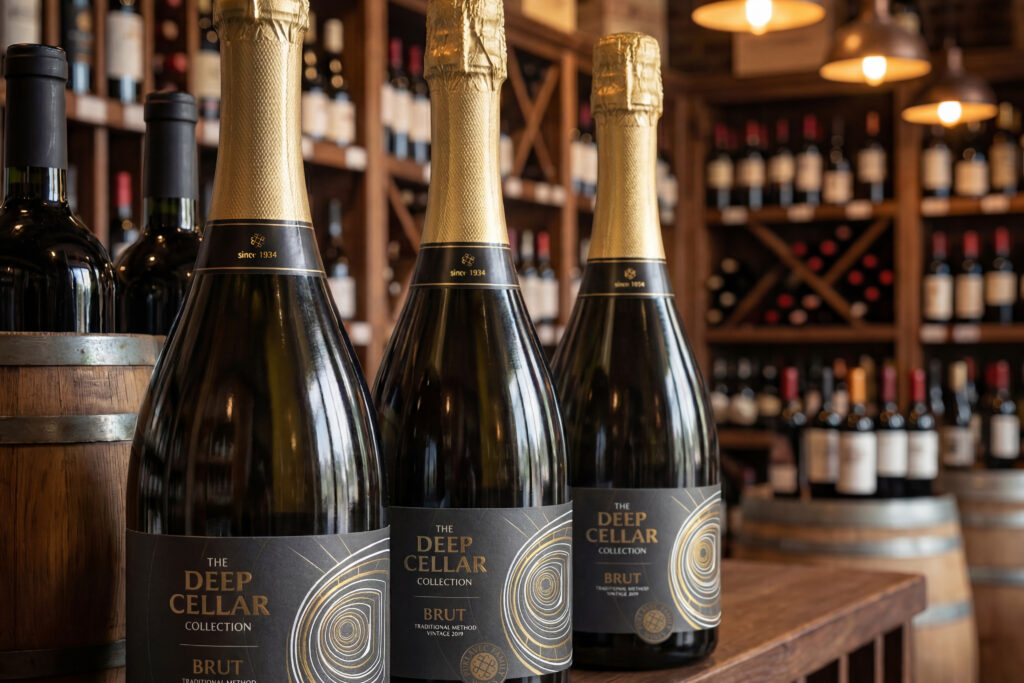
Then there is The Deep Cellar Collection Brut Méthode Traditionnelle. An elegant sparkling wine that is aged on the lees for at least sixty months and produced in the winery’s iconic gravity cellar.
The popular Puklavec & Friends Sauvignon Blanc & Pinot Grigio is also part of the collection. The wine has become one of the best-known Slovenian wines worldwide and has previously won a Decanter Gold Medal thanks to its excellent value for money.
With its blend of craftsmanship, terroir, sustainability and a contemporary approach to winemaking, Puklavec Family Wines demonstrates why Slovenia is increasingly gaining recognition within the international wine world.
From Italian classics to innovative trendsetters: Vinites selects producers with character, provenance and a story of their own.
Vinites has been bringing exceptional wines and spirits to the Netherlands since 1979. Based in Haarlem, this family-run business works with a team of passionate wine enthusiasts to curate a carefully selected range for the hospitality industry, specialist wine shops and the retail sector. What began as a passion for quality Italian wines has grown into an established wine importer working with producers from various wine-producing countries and regions.
Italian wines remain a key part of our range, but our portfolio now extends much further. From sparkling wines and premium spirits to sake and gourmet non-alcoholic alternatives. Always with a clear focus on quality, provenance and craftsmanship.
For this Summer Drink Special, Vinites has selected three products that showcase the versatility of today’s drinks scene: an English sparkling wine, a Mediterranean gin and an elegant rosé from Lake Garda.
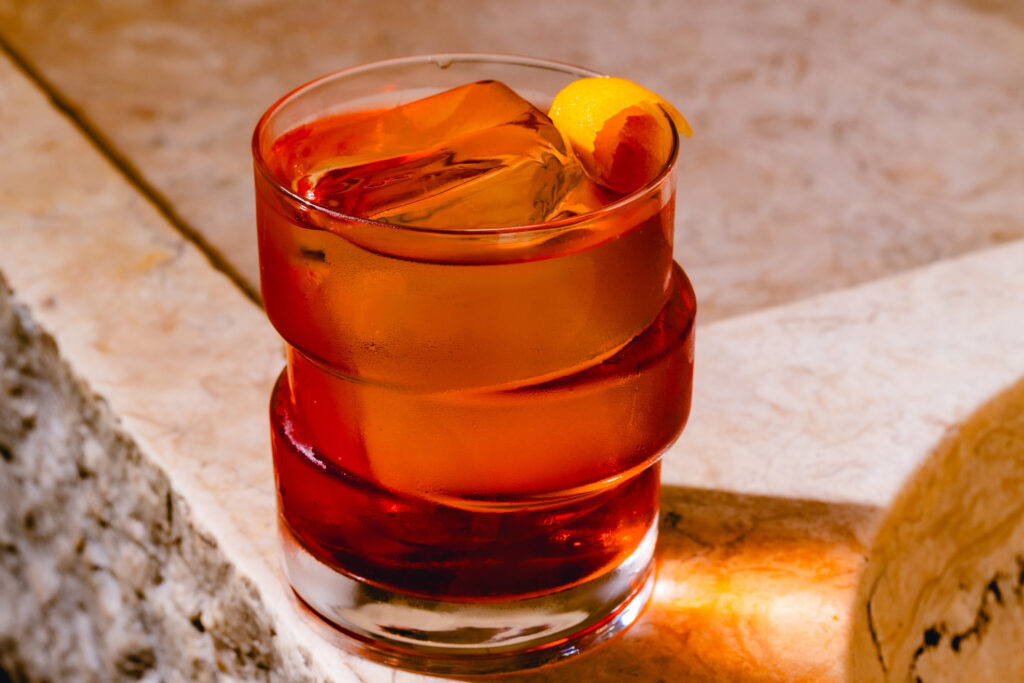
Gusbourne Brut Reserve
Whilst sparkling wine has long been associated primarily with traditional wine-producing countries, England has emerged as a surprising contender in this category. Gusbourne is one of the country’s best-known wineries and is renowned for its elegant style and commitment to quality.
The Brut Reserve combines fresh citrus aromas, ripe fruit and a refined mousse. A sparkling wine that demonstrates why English sparkling wines are increasingly finding their way onto the wine lists of restaurants and hotels.
Marconi 42 Mediterraneo Clinic
Interest in premium spirits continues to grow, with provenance and craftsmanship playing an increasingly important role. The Italian Mediterranean gin Poli Marconi 42 Mediterraneo is distilled in Italy and is inspired by the aromas and flavours of the Mediterranean region.
Botanicals such as rosemary, basil, mint and other Mediterranean herbs lend it a distinctively aromatic character. The result is a fresh and herbaceous gin that highlights the versatility of modern premium spirits.
RosaMara Valtènesi RoséRosé has evolved from a summer favourite to a staple on wine lists. At the same time, there is growing demand for rosés with character, provenance and gastronomic versatility.
RosaMara from Costaripa comes from Valtènesi, on the shores of Lake Garda. The wine combines refined aromas of red fruit and floral notes with a fresh, elegant structure. A style characteristic of the quality rosés from this northern Italian region, demonstrating why Italy remains one of the world’s most beloved wine-producing countries.
Vinites
Based in Haarlem, Vinites has been bringing exceptional wines, spirits and condiments to the Netherlands for over 45 years. With a carefully curated range and a strong focus on quality, provenance and craftsmanship, the family-run business continues to inspire consumers, the hospitality industry and wine professionals with new discoveries from the world of wine and gastronomy.
www.vinites.com
Glassware as part of the overall hospitality experience
In the hospitality industry, the focus is increasingly on the overall experience. From signature cocktails to sophisticated wine service: it’s not just what’s in the glass that counts, but also the presentation that surrounds it. Glassware is playing an ever-greater role in this. ONIS operates right at the heart of this world.
The international glassware brand, part of Leerdam Crisal Glass, develops collections for bars, hotels and restaurants that combine design, functionality and aesthetic appeal. Contemporary, full of character and designed to enhance every serving.
With collections such as Classic Bar and Mosaic, ONIS demonstrates how glassware enhances the overall drinking experience. From elegant cocktails to contemporary table settings: every detail has been designed with an eye for both presentation and ease of use.
The connection with international bar culture is also a key part of the brand. Through Glassology by ONIS, bartenders worldwide are given the opportunity to develop their own glass designs. The winning design is then actually produced and sold internationally.
As well as design, sustainability plays an important role. The glassware is manufactured in the Netherlands and Portugal, with a focus on modern production techniques and recyclable packaging.
ONIS demonstrates that glassware is about much more than just functionality. It enhances the presentation, the atmosphere and the story behind every serving.
The rise of Ube as a colourful coffee trend
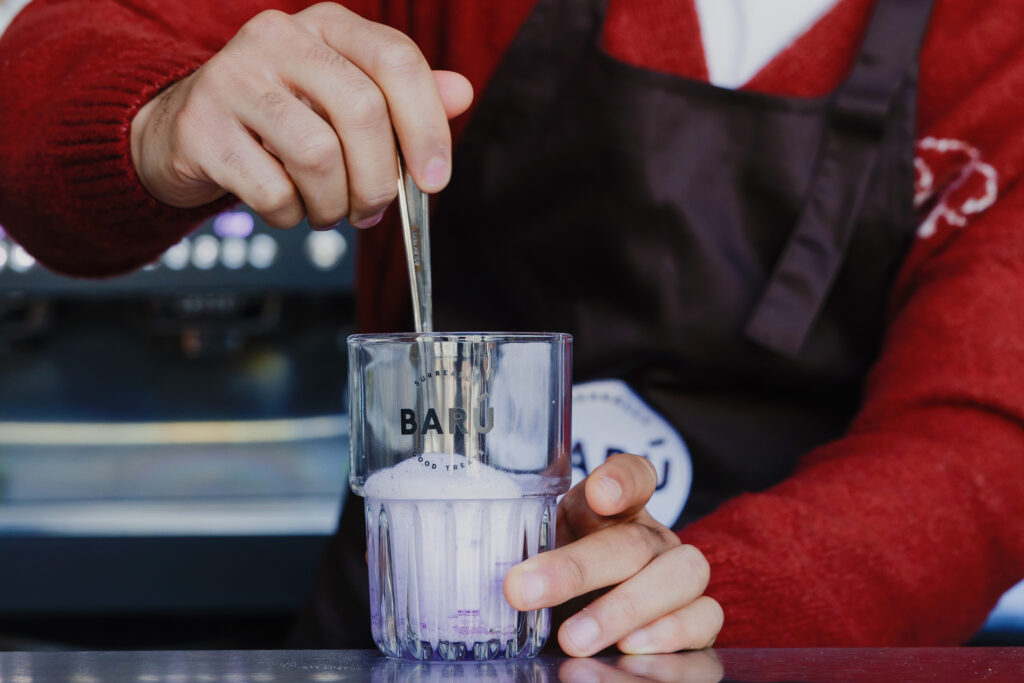
In the world of drinks, it’s no longer just about taste, but also about presentation and the overall experience. Eye-catching colours, international influences and social media-friendly drink concepts are playing an increasingly important role in the catering and hospitality sectors. Ube, a purple yam from the Philippines, fits perfectly into this trend.
Mocca d’Or Coffee Roasters has translated this trend into a contemporary coffee drink: the Iced Dirty Ube Latte. This striking creation combines espresso with the smooth, creamy and slightly sweet flavour of ube. The result is a surprising balance between coffee and a comfort drink.
For its hot coffee, Mocca d’Or uses Single Origin Sulawesi Kalosi coffee. A distinctive speciality coffee that complements the refined flavour notes of the Ube Latte perfectly.
With nearly 100 years of experience, Mocca d’Or has been slow-roasting high-quality coffee since 1930. The brand demonstrates how traditional coffee craftsmanship and new international beverage trends come together in modern drinks designed to be enjoyed and shared.
Low-alcohol craft beer is becoming a staple in the hospitality industry
Conscious enjoyment remains a key trend in the hospitality sector. Whilst non-alcoholic and low-alcohol options were primarily seen as alternatives for many years, they are now increasingly becoming a fully-fledged part of the drinks menu. Guests want freedom of choice, but expect the same taste experience and quality as with traditional craft beers.
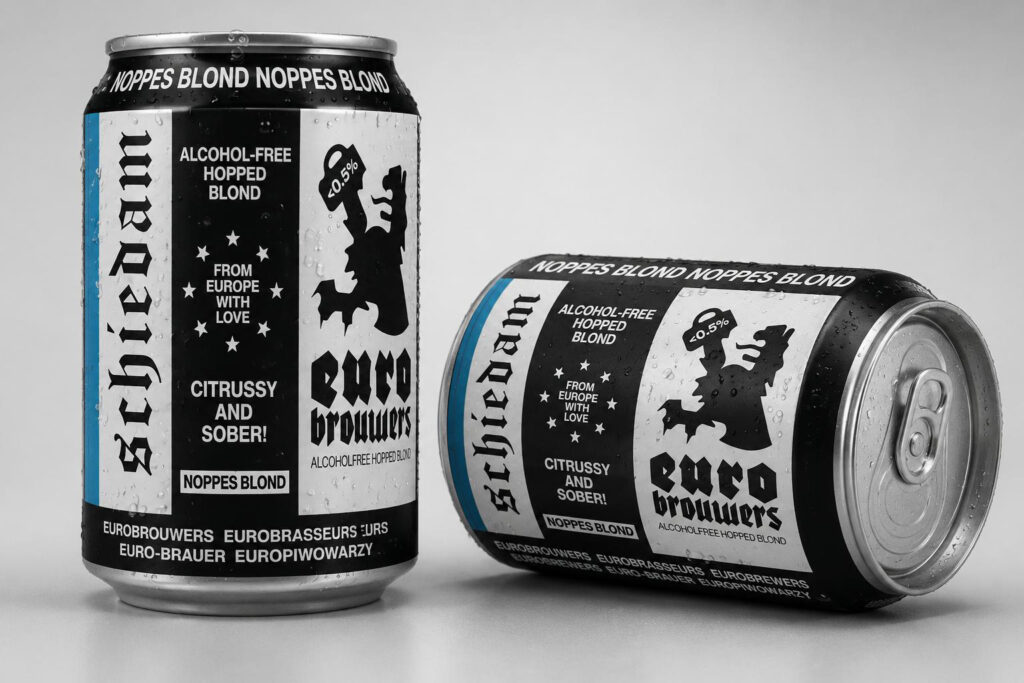
This trend is evident at Eurobrouwers. The brewery is building a contemporary beer culture in which flavour, accessibility and character go hand in hand. A fine example of this is Noppes Blond, the low-alcohol version of the beer with which the adventure first began: Hoppig Blond.
With an alcohol content of just 0.51% ABV, Noppes Blond offers a surprisingly rich flavour profile. Thanks to the Amarillo and Citra hops, it features fresh citrus aromas, subtle fruity notes and a smooth, easy-drinking finish. It is exactly the type of beer that meets the growing demand for lighter drink options without compromising on flavour.
It is precisely in the context of outdoor dining, shared dining, lunch breaks and modern social drinking concepts that there is a growing demand for this kind of accessible craft beer. Beers that do not overpower, but instead leave room for food pairing, good company and longer moments of enjoyment.
With Noppes Blond, Eurobrouwers is demonstrating that low-alcohol beer is no longer a niche product. This trend reflects the way people want to drink today: mindfully, with a focus on flavour, and without compromising on the experience.
 Nederlands Nederlands
  English (UK)