hotelvak.eu
EN

Platform on hotelmanagement, interiordesign and design in the Netherlands
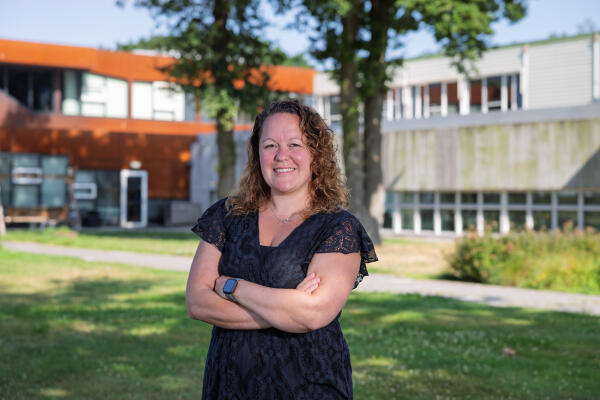
Financial exploitation of older people often starts innocently enough, but can develop into a serious problem. To help professionals recognise the warning signs earlier and initiate a conversation about the issue, Renate Mazenier developed two practical tools during her final-year project for the Associate Degree in Social Work at NHL Stenden University of Applied Sciences: a warning signs card and a conversation guide. The cards are now being used by Sociaal Werk Sedna and have been shared with partner organisations in the municipality of Emmen.
“One in twenty older people experiences some form of elder abuse,” says Renate. “Financial exploitation is the most common form of this. Older people are often targeted because they have limited digital and financial skills and sometimes have a small social network. Sadly, the perpetrator is often someone close to them, such as a family member or a neighbour. By the time the financial exploitation comes to light, the bailiffs are sometimes already at their door. And it is only then that they end up turning to an organisation such as Sociaal Werk Sedna.”
The impetus for her research was a real-life case in which an elderly resident fell victim to financial exploitation. According to Renate, this process often unfolds gradually.
“It often starts small, with something like: ”Do you perhaps have thirty euros for the shops?’ It progresses step by step, until people come to the realisation themselves that it isn’t right. And by then, it’s often already gone too far. With all the consequences that entails: trauma for the victim and high costs for society because organisations such as bailiffs and debt counselling services have to get involved. In the case of the elderly man, we asked ourselves: have we missed something? Should we have spotted this sooner?”
During her research, it became clear that organisations regularly encounter financial exploitation but lack a standardised tool for recognising the warning signs. Renate therefore developed a checklist featuring common signs of financial exploitation. She also created a discussion guide containing tips and sample questions to help raise the issue.
“We ask what someone wants for themselves and what might help. It’s often only then that people realise how they actually feel. It’s not about us taking over, but about the resident regaining control over their own life and money, rather than handing that over to someone else.”
The awareness poster is now displayed in all consultation rooms at Sociaal Werk Sedna. Both resources have also been shared with partner organisations in the municipality of Emmen, including the Geldloket and housing associations. This means that several organisations now have a practical tool to help them identify financial exploitation at an earlier stage and raise the issue.
“We can’t detect and stop all financial exploitation,” concludes Renate. “But we can ensure that we remain alert to the warning signs, so that we can intervene at an early stage and prevent a whole host of unwanted problems.”
 Nederlands Nederlands
  English (UK)