hotelvak.eu
EN

Platform on hotelmanagement, interiordesign and design in the Netherlands
‘Higher taxes affect more than just the hotel sector’
The VAT increase highlights just how far-reaching the consequences can be when the interests of the hotel sector are not given sufficient consideration. Higher costs, rising tourist taxes, the power of large booking platforms and increasing regulatory pressure are making entrepreneurship an ever greater challenge. How can hoteliers protect themselves against this? According to Ramon van Veluw and Peter de Beer, it starts with looking beyond one’s own business and joining forces.
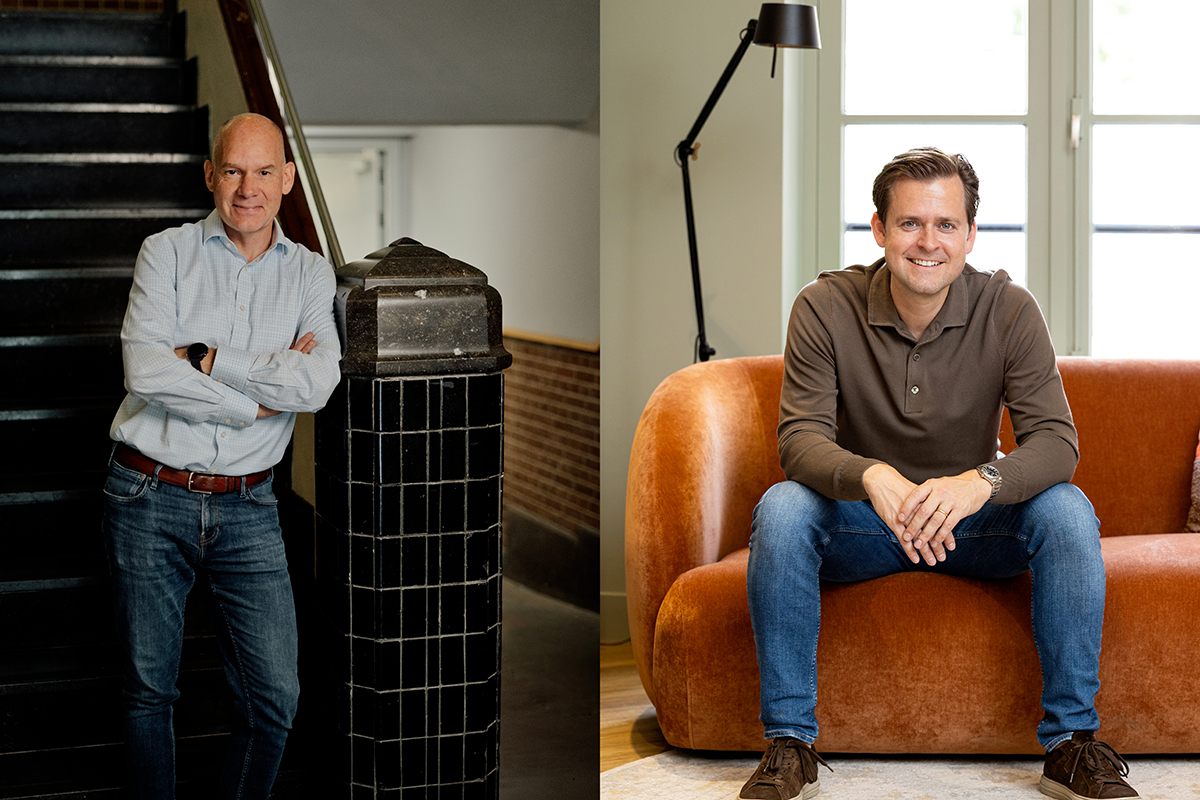
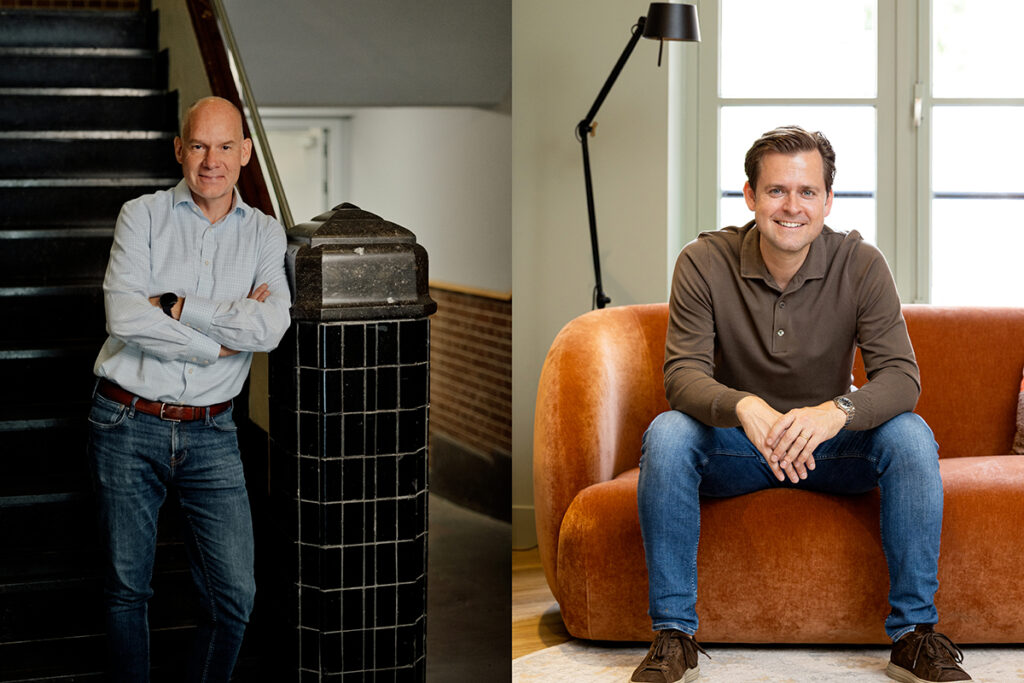
Van Veluw owns six hotel properties in Den Bosch, with a total of 97 rooms. As Operations Manager at Stayokay, De Beer is responsible for the day-to-day running of 21 hostels across the Netherlands. Due to their different businesses and backgrounds, they each view the sector from a different perspective. Nevertheless, they largely face the same challenges.
Both hoteliers are now noticing clear consequences of the VAT increase. Van Veluw has observed that hotels are generating less turnover and that business owners are reacting differently to the VAT increase. “Everyone chooses their own strategy. Either you keep your prices the same and occupancy rates fall, or you lower your prices and maintain the same occupancy rates. Ultimately, it amounts to roughly the same thing.”
Stayokay has decided to pass on the VAT increase in full. “As the Stayokay Foundation, we have traditionally maintained small profit margins to keep stays at unique locations affordable. We therefore do not have the margin to absorb this ourselves,” says De Beer. At the same time, he notes that bookings and volumes are declining. Staff costs, energy and procurement have also become more expensive.
Ultimately, this doesn’t just affect hotels. “Fewer hotel guests also mean fewer visitors for local restaurants, shops, cultural venues and transport. It has a domino effect,” says De Beer. According to him, the social and economic value of the sector is still too often underestimated. Not only by the government, but also by the general public.
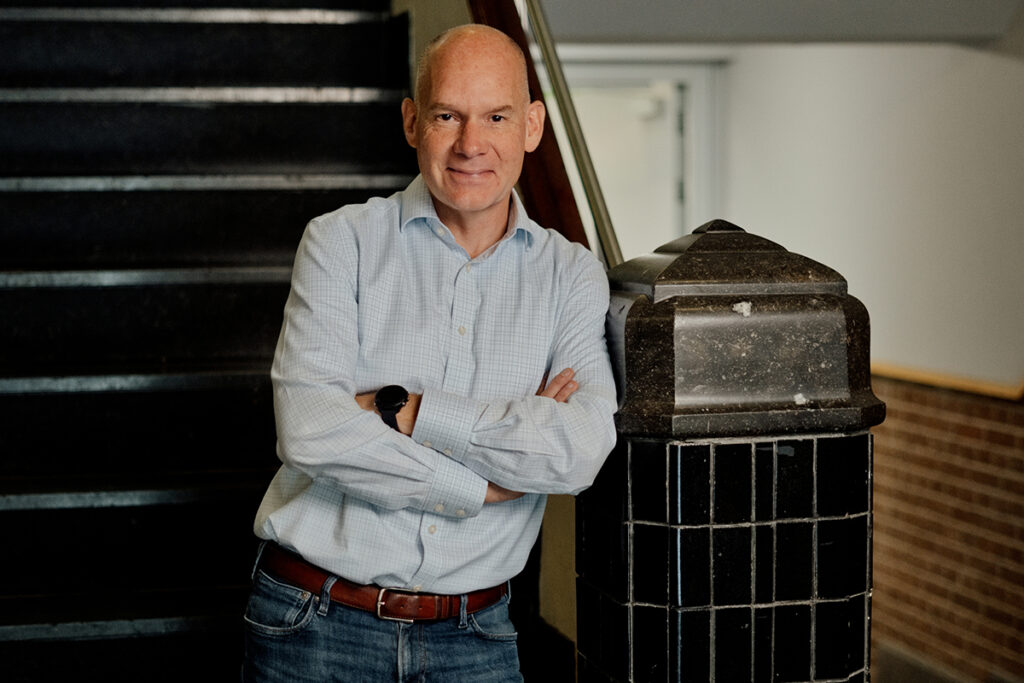
According to both business owners, the ever-increasing tourist tax is a prime example of why hoteliers need to look beyond their own local authority. The high rates in Amsterdam may seem like a local problem, but local authorities keep an eye on one another. If a substantial increase is accepted elsewhere, it could well be proposed in other cities too.
“You shouldn’t think: ”This only happens in Amsterdam“,” says De Beer. “Taxes are high in Utrecht and The Hague too. Local authorities see what’s happening elsewhere and wonder whether they can do the same.”
The same applies to other challenges. Individual hotels struggle to compete with large international booking platforms, whilst the commissions are putting significant pressure on margins. “Booking.com wields a great deal of power. They are good partners, but the balance has been lost. We cannot really do without them, and that is precisely why we, as a sector, must act collectively,” says Van Veluw. Challenges relating to regulatory burdens and staffing also extend beyond the scope of a single hotel or region.
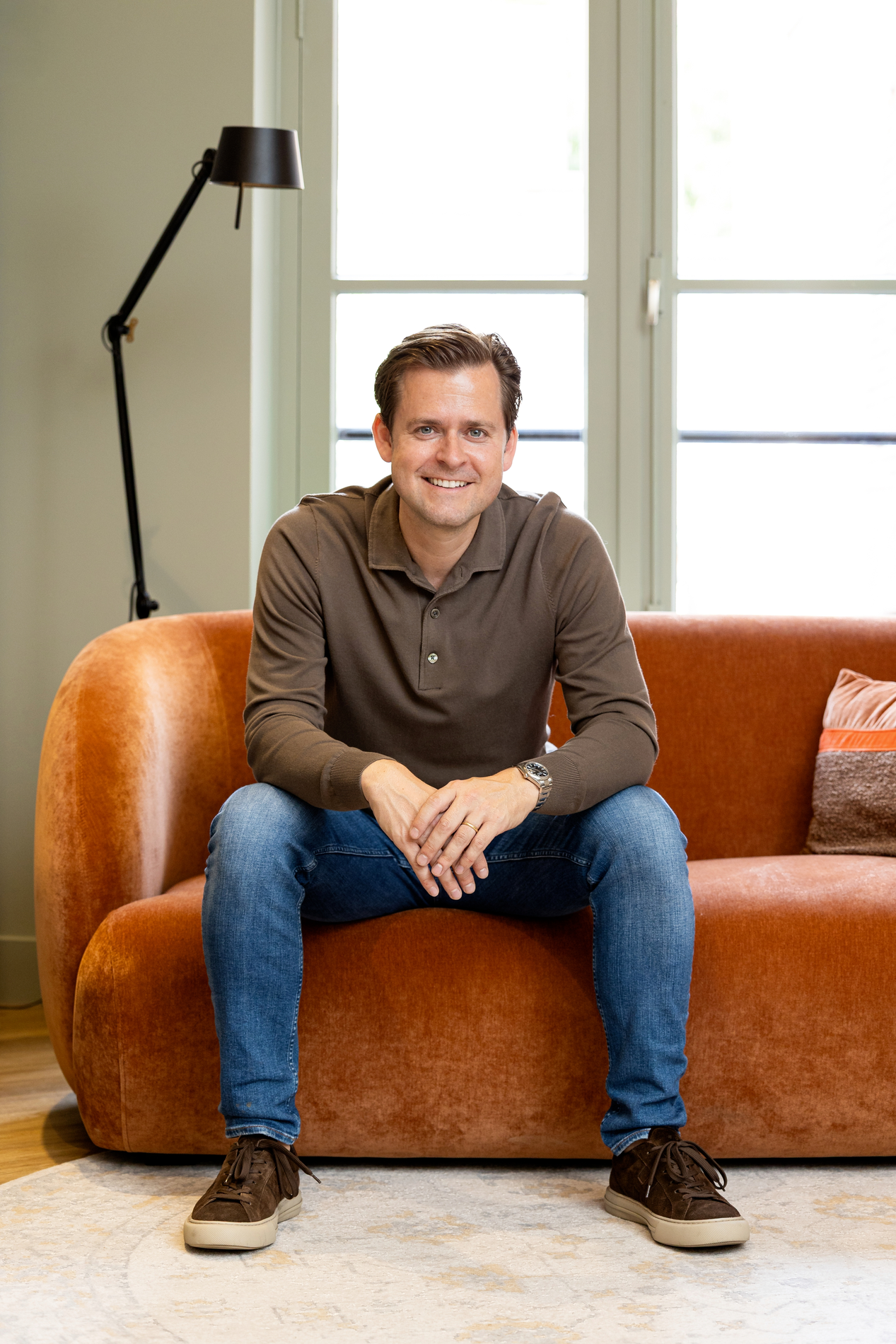
Van Veluw and De Beer made a conscious decision to join the Royal Dutch Hospitality Association’s (Koninklijke Horeca Nederland) focus group for hoteliers. Entrepreneurs from various regions and sectors share insights and experiences within the group and contribute ideas on how to represent the sector’s interests.
It is precisely this broad representation that makes the group valuable, in their view. De Beer, through Stayokay, caters to a different target audience to a four- or five-star hotel, but prefers to emphasise what unites hoteliers. “Some are more affected by a specific problem than others, and some businesses are better able to cope with rising costs. But you have to look beyond your own interests. Ultimately, we are one hospitality sector.”
According to Van Veluw, the national spread is also important. The impact of policy varies from region to region, but developments that start locally can quickly spread across the country. By bringing together experiences from different parts of the Netherlands, a more complete picture emerges of what is happening in the sector. “I draw a lot of inspiration from the focus group. It includes entrepreneurs with a wealth of experience, but also younger hoteliers who view the market from a different perspective. It works both ways,” says Van Veluw.
Furthermore, the strength of the focus group lies in the collective message it sends. A problem faced by a single hotel does not always attract attention, but when business owners from different regions and sectors experience the same issue, it becomes clear that there is more to it than meets the eye.
De Beer emphasises that the focus group is not just intended for sharing concerns. Entrepreneurs can use it to assess trends, propose solutions and indicate which issues deserve priority. “KHN has close ties with the government and is informed at an early stage about upcoming proposals. We hear from our member businesses and colleagues about what is happening on the ground. You need to bring those two things together.”
Hoteliers are not known for being quick to take to the barricades. Hospitality, flexibility and a focus on finding solutions are deeply ingrained in their DNA. But, according to Van Veluw and De Beer, that attitude must not result in the sector’s voice being insufficiently heard.
Hotels vary in size, target audience and location, but are largely affected by the same developments. That is precisely why broad advocacy is important. By sharing knowledge, collating regional insights and acting collectively through KHN, the hotel sector’s voice carries greater weight.
Neem dan rechtstreeks contact op met Royal Dutch Catering Association.
 Contact opnemen
Largest trade organisation Royal Catering Netherlands (KHN) is the largest catering trade organisation in the country, with over 20,000 catering entrepreneurs and thus some 255,000 catering employees we represent. We are committed to the industry, give advice and keep an eye on all the news surrounding the hospitality industry. We also regularly launch our own campaigns to ensure [...]
View Company profile Nederlands Nederlands
  English (UK)