hotelvak.eu
EN

Platform on hotelmanagement, interiordesign and design in the Netherlands
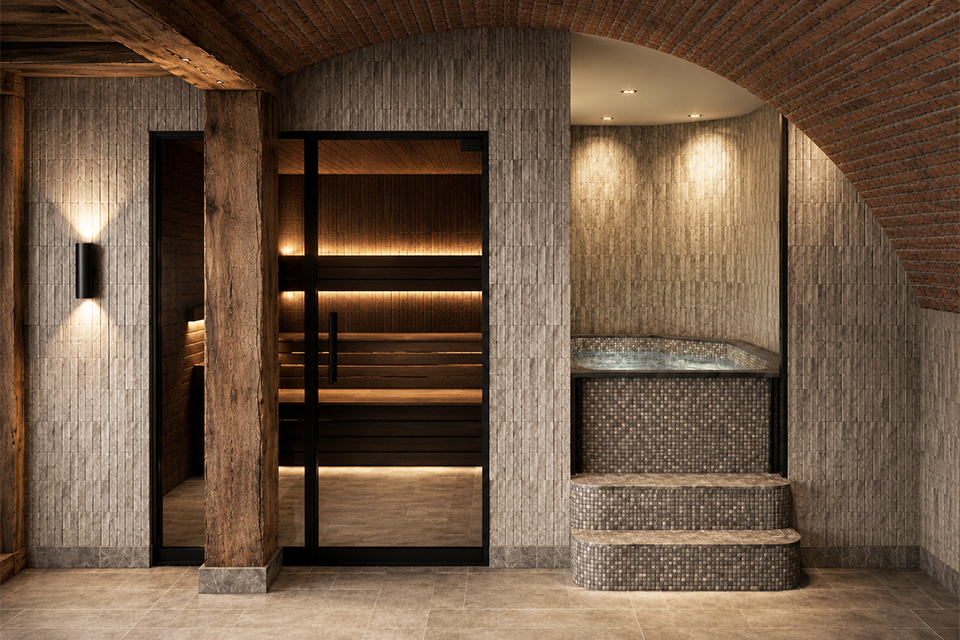
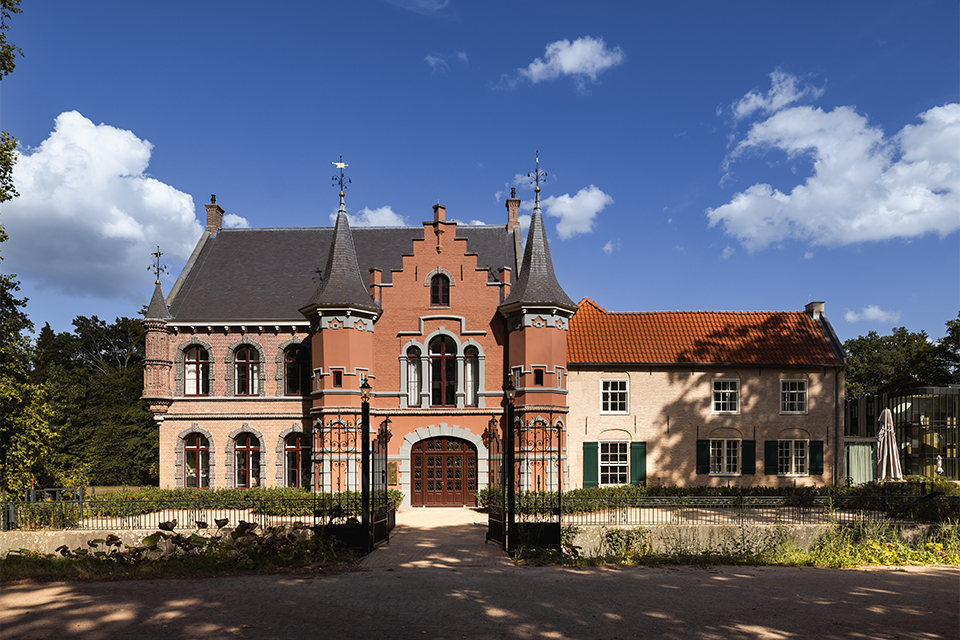
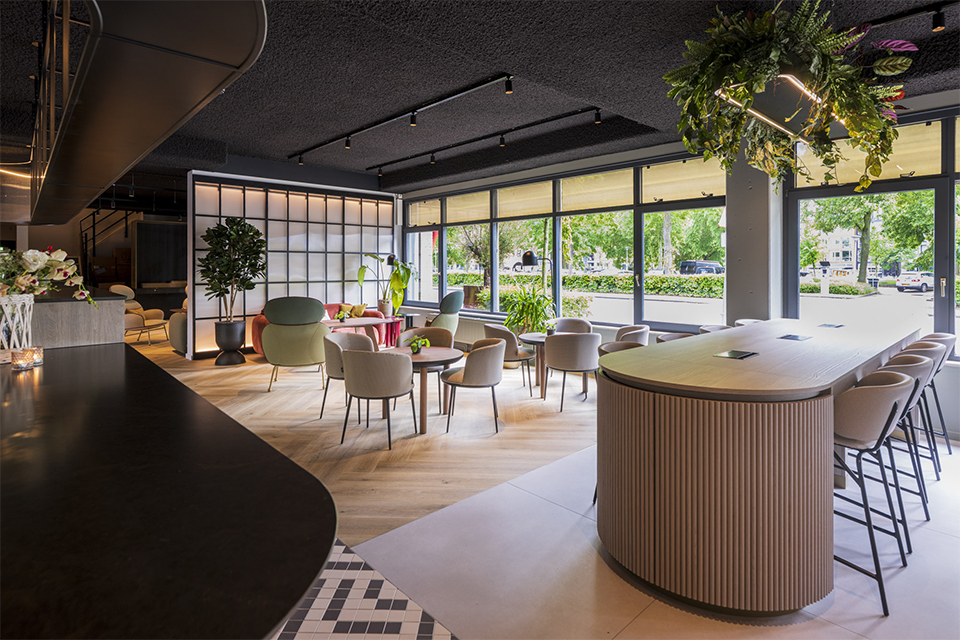
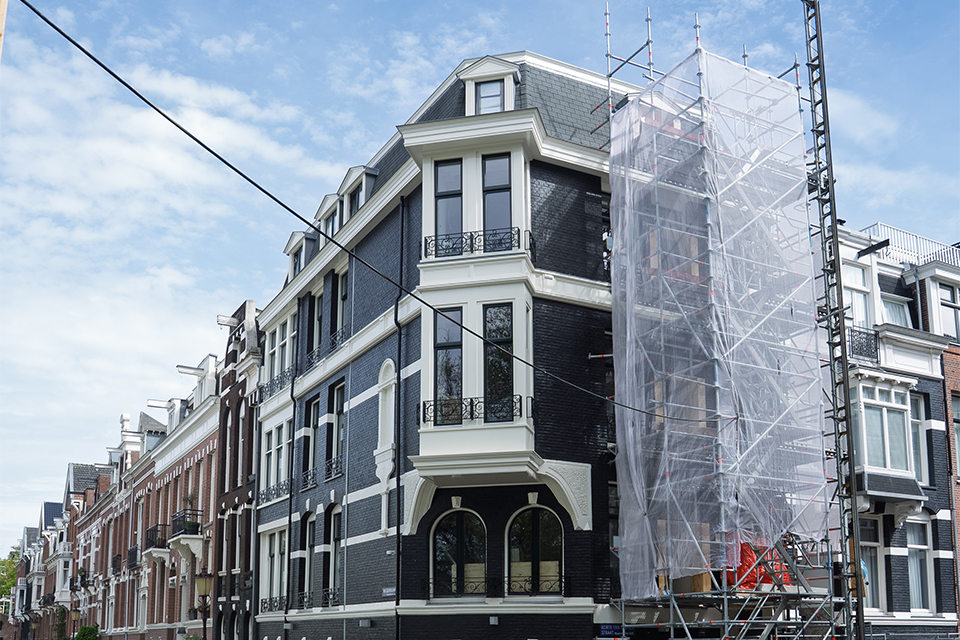
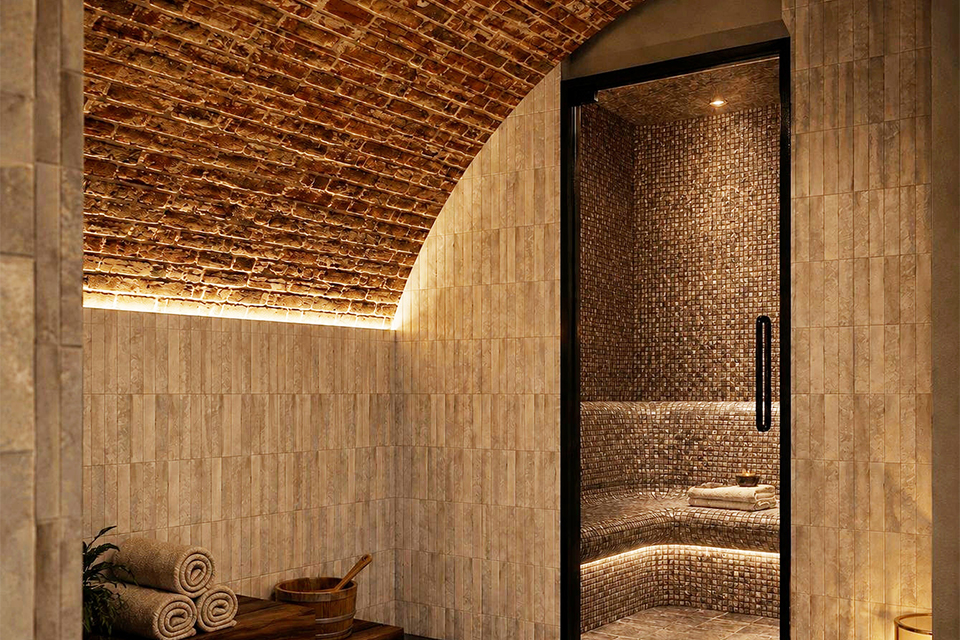
In Amsterdam’s Museum Quarter, Pleijsier Hotelrenovatie is working on the transformation of a magnificent building dating from 1896 into the boutique hotel The Gentlemen. The building is situated next to Vondelpark and is being repurposed to include seventeen hotel rooms, a reception area, a breakfast room and an on-site private wellness centre.
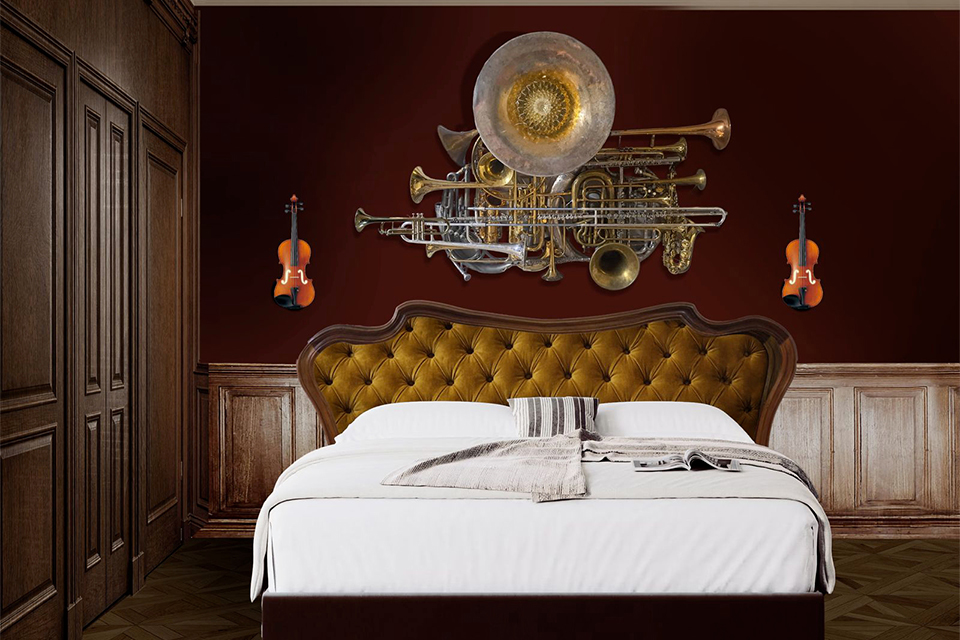
“At Hotel The Gentlemen, we want to create more than just a place to stay,” says owner Levi Zandbergen. “Each room tells its own story, inspired by remarkable historical figures from the period around 1896. For example, guests will soon be able to stay in a musician’s room amidst bespoke trumpets and a freestanding grand piano with a built-in television. Meanwhile, another guest might stay in a room converted into a luxury train compartment from the late nineteenth century.”
Project manager Wycher Naberman explains that this project stands out from traditional hotel renovations because no two rooms are the same. “In many hotels, rooms are actually identical in design, with only minor differences in colour scheme or layout. But at The Gentlemen, every room has its own design and theme. That makes it special, but it also requires a completely different approach, involving a great deal of bespoke work, coordination and flexibility throughout the entire process.”
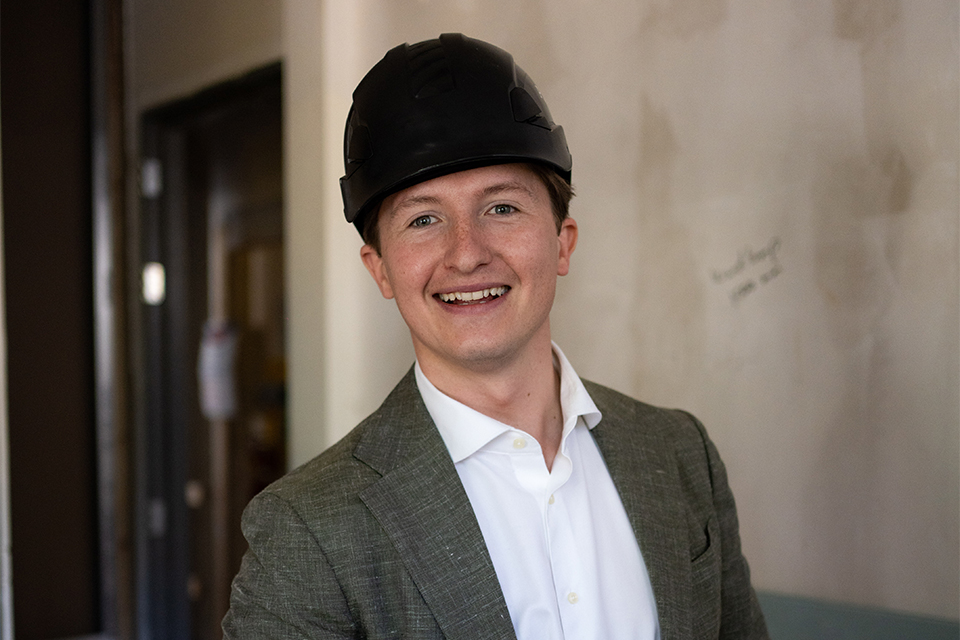
“The biggest challenge lies in coordinating the many parties involved, both on the client’s side and amongst our own subcontractors,” said Naberman. “It is essential that everyone speaks the same ‘language’ and works on the basis of a shared understanding of quality and the level of detail required. We have achieved this through intensive collaboration and consultation, clear communication (not just during construction meetings) and close coordination throughout the entire process.” Jan Beens, the site manager, plays a very significant role in this, according to him. “He is the driving force behind the success of this anything but standard project.”
“You have to be alert to every detail and ensure that this is properly communicated to all parties and staff on the shop floor,” says Naberman. “In practice, this means we manage planning and logistics very tightly, with extremely clear communication to all parties involved. This allows us to maintain both quality and pace, despite the significant differences between each room.”
When renovating existing hotel buildings, Pleijsier Hotelrenovatie always strives to strike a balance between preserving the building’s character and meeting modern requirements. “This begins with a survey of the building and the existing installations. By working together as a construction team, we sit down with the right parties at an early stage and can make the right decisions in good time. We integrate systems and fire safety measures as discreetly as possible, whilst ensuring full compliance with regulations. We ensure a high level of comfort in terms of climate control and the overall experience.”
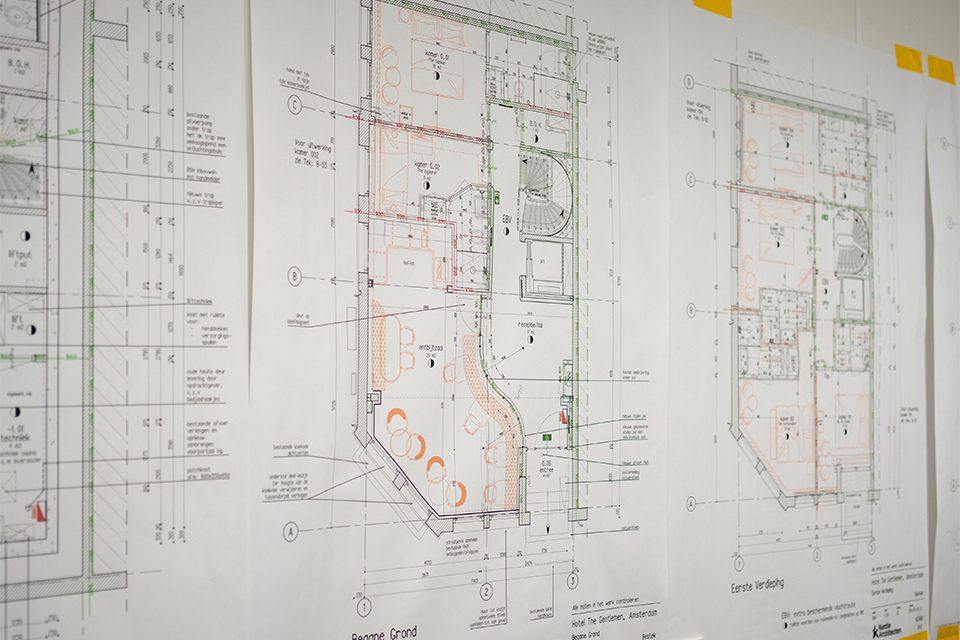
Working in an existing building in Amsterdam city centre presents logistical challenges, partly due to limited space and the need to coordinate with the surrounding area. “A key lesson is the importance of continuity and stability within the project team, particularly in crucial disciplines,” says Naberman. “For future projects, we will therefore place even greater emphasis on securing and retaining the right partners at an early stage, so that the process runs as efficiently and predictably as possible.”
Neem dan rechtstreeks contact op met Pleijsier Hotel Renovation.
 Contact opnemen
Pleijsier Hotelrenovation focuses on renovating and converting existing hotel buildings and completing new hotel buildings of national hotel chains. The guiding principles in these projects are modernisation, sustainability and future-proofing. To this end, Pleijsier Hotelrenovatie combines two of its strengths: the qualities and knowledge of product and process thinking and years of [...]
View Company profile Nederlands Nederlands
  English (UK)