hotelvak.eu
EN

Platform on hotelmanagement, interiordesign and design in the Netherlands
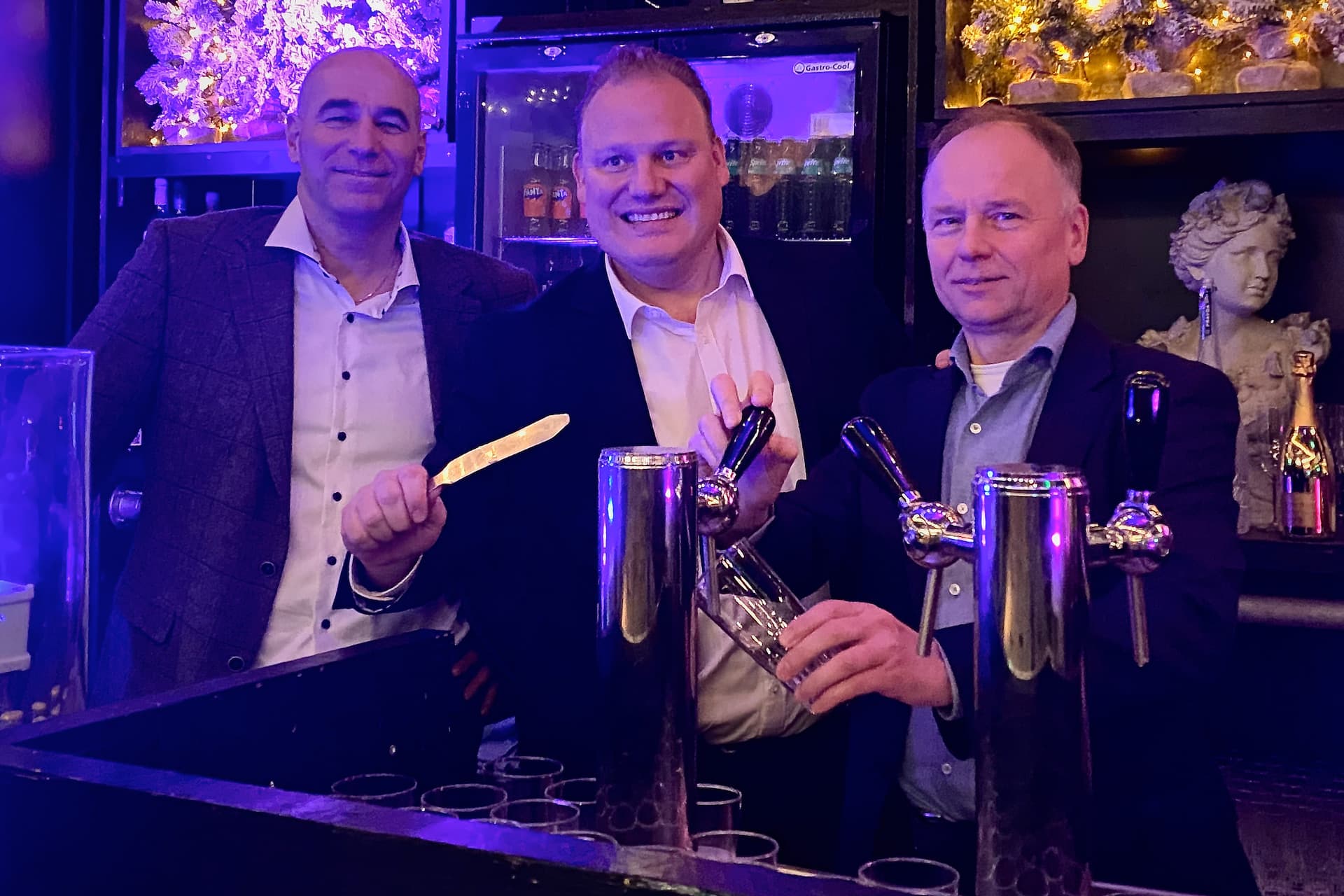
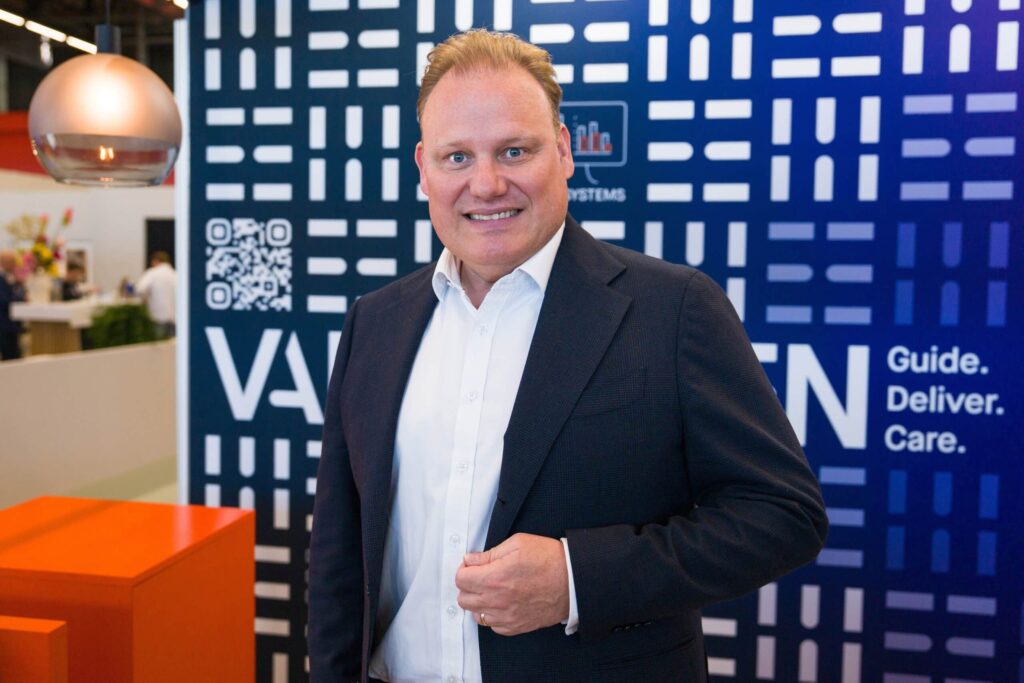
“Guests expect everything to work without them having to give it a second thought,” says Martijn Dekker. It is from this practical perspective that he views the role of technology in hotels. For the past five months, he has been at the helm of Van Hessen, a specialist in hospitality software, PMS and POS systems for hotels and the hospitality sector. Here, together with CCO Ronnie Hinrichs and CFO Michiel Kreugel, he forms a three-member executive board. His ambition is to further integrate the organisation internally and ensure that technology is better aligned with the day-to-day reality of hotel operations.
After more than twenty-five years in the international hospitality industry – including roles with international chains and in various countries – Dekker is making the move to the supplier side. That background shapes how he approaches his role. “I’ve experienced first-hand where things can go wrong in day-to-day operations. That automatically makes you look at systems and processes differently.” According to him, that is the crux of his role and that of Van Hessen: bridging the gap between technology and its practical application.
When he took up his post, he found an organisation with a wealth of knowledge and a high standard of service, but also differing working practices across countries. “The differences between the Netherlands and Belgium turned out to be greater than expected. In a number of areas, the teams were working at cross-purposes, each with their own processes and systems. That means working methods can quickly drift apart, without there being any need for that.” Rather than standardising everything, Dekker opts for harmonisation at the process level. He focuses on the ideal working method, from quotation to implementation. “You don’t need to reinvent the wheel, but you do need to be prepared to take a critical look at your own way of working.” This approach takes shape in joint sessions with teams from different countries. “It starts with the right conversation: how do we draw up a quotation, how do we carry out an implementation? You build on that.” The approach fosters collaboration: ideas are developed together and refined by other teams. “That creates a completely different dynamic.” Resistance is to be expected, especially in an organisation with a wealth of experience. “But when people see that it makes their work easier, things start to move forward.”
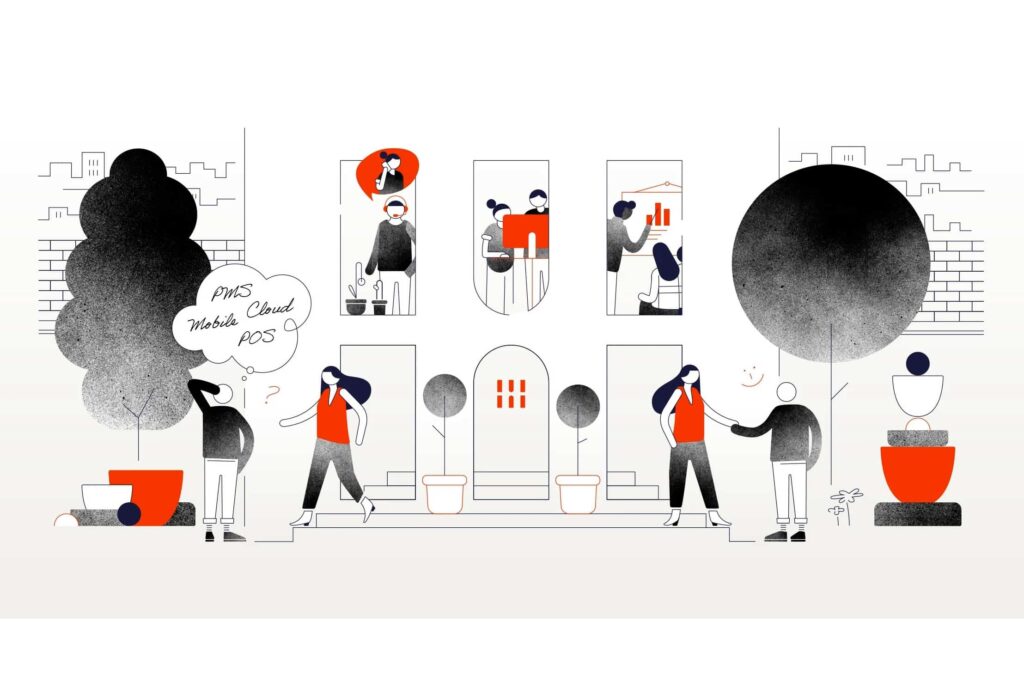
He also applies this practical focus to the market. According to Dekker, technology is changing at breakneck speed due to the shift to the cloud, AI and all the new possible integrations. But hotel guests“ expectations have also changed. Processes must run smoothly, without waiting times or friction. ”Guests expect everything to work. Booking, checking in, paying – it should all happen automatically.“ At the same time, he observes that many hotels are still using systems that do not integrate sufficiently with one another. PMS, POS and other systems operate side by side, rather than as a unified whole. ”That’s where a large part of the inefficiency lies, because there’s a lack of cohesion.”
According to Dekker, the market often views Van Hessen primarily as a supplier of PMS and POS systems, such as Oracle OPERA PMS and Oracle Symphony POS. In practice, a large part of the work involves ensuring systems work together and supporting clients with integrations and process design. For example, he raised the question internally as to how reports could be better aligned with financial practice. This led to the development of an interface between Oracle OPERA PMS and accounting software, enabling data to be transferred automatically. “These are the solutions that really benefit hotels.”
Despite the emphasis on digitalisation, Dekker believes the human factor remains essential. Technology should free up time, not replace people. “When processes run smoothly, it creates space for genuine interaction with the guest. That is what hospitality is all about.” This emphasis on the human touch is also reflected in the company’s own service provision. As automation increases, Van Hessen chooses to keep support personal. “Customers want to speak to someone who understands their situation. Especially in a sector where everything goes on twenty-four hours a day.”
In the coming period, Dekker will focus on further harmonisation within the organisation and on strengthening knowledge-sharing, including through the internal academy that has now been set up. At the same time, Van Hessen’s role as a consultant is growing in a market where technological developments are following one another in rapid succession. According to him, the challenge for hoteliers lies not only in choosing new systems, but above all in integrating them seamlessly and supporting processes. “That’s where the real benefit lies. Less time spent on processes, more attention for the guest.”
Neem dan rechtstreeks contact op met Van Hessen.
 Contact opnemen
Your IT Companion Van Hessen is the full-service IT partner for Hospitality & F&B organisations. We support hotels and catering establishments with high-quality, effective PMS, POS and integrated systems, and work closely with the most reliable and innovative software and IT partners in the Hospitality industry. Van Hessen is an Oracle Service Partner and operates in the Benelux [...]
View Company profile Nederlands Nederlands
  English (UK)