hotelvak.eu
EN

Platform on hotelmanagement, interiordesign and design in the Netherlands
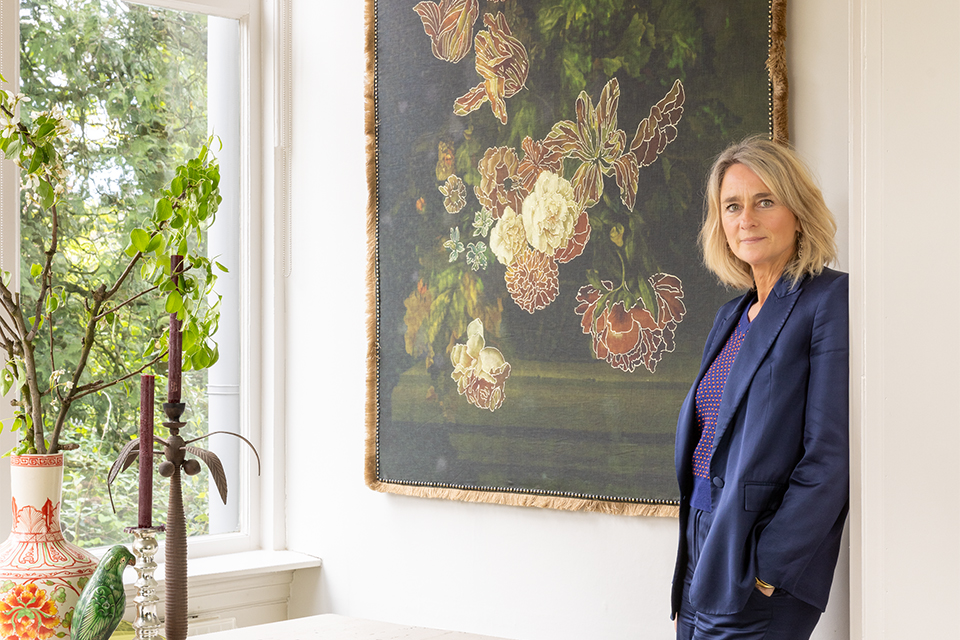
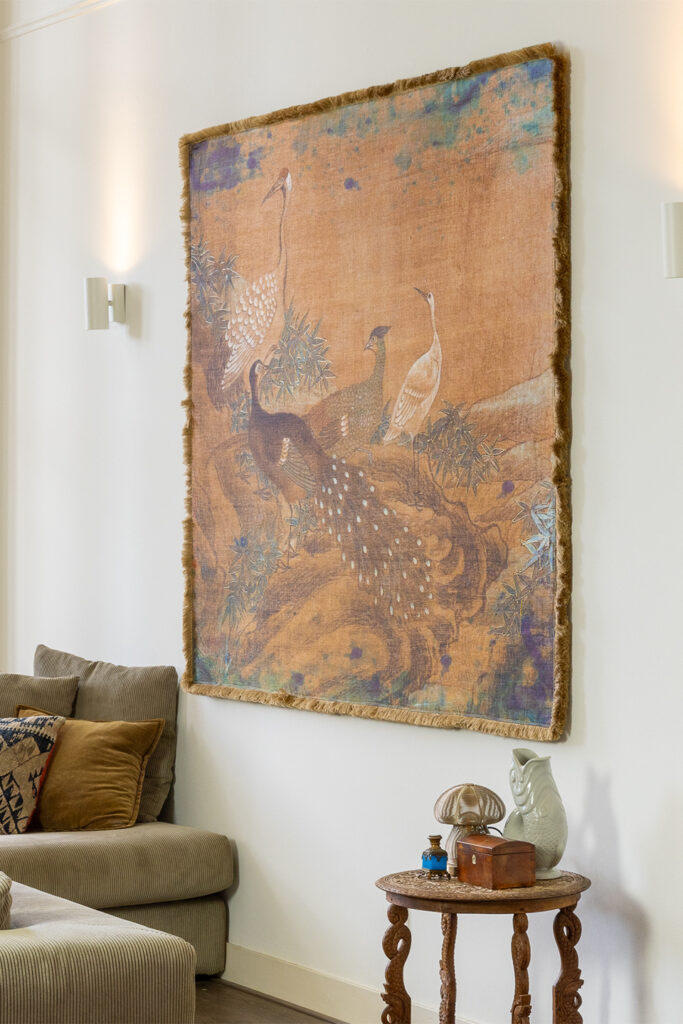
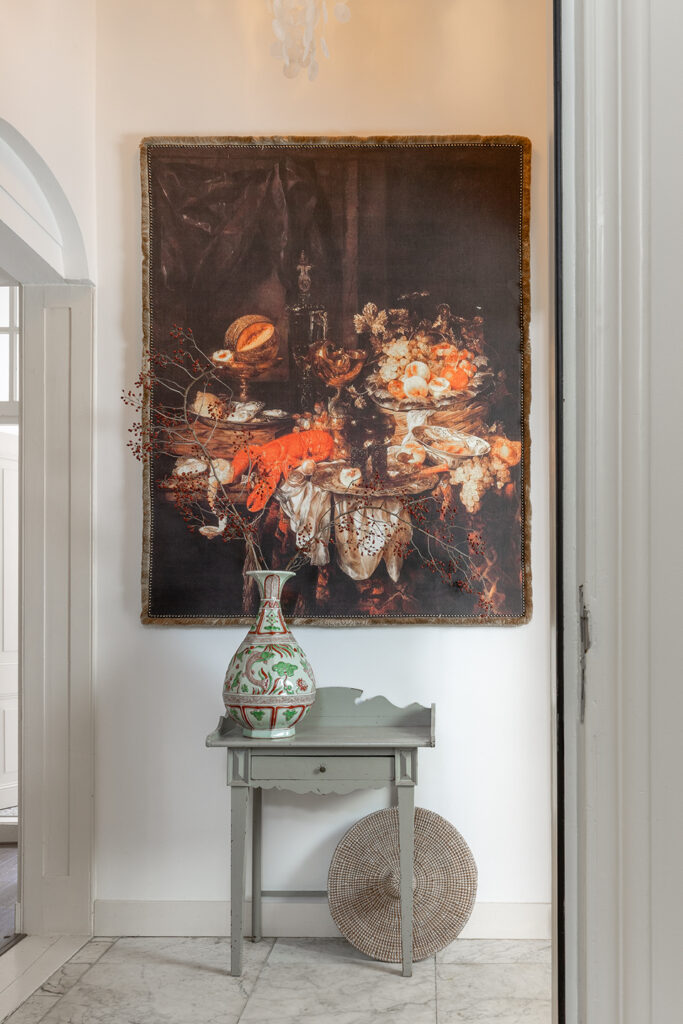
Art often plays a decorative role in hotels, but it can also actively contribute to a space’s identity and the experience it offers. Artist Eliane Douglas approaches her work from that perspective. Using hand-crafted tapestries, composed of historical photographs, textiles and paint, she creates works that tie in with the story of a location.
Douglas studied at the Maastricht Hotel School and worked in the hospitality industry for many years before devoting herself entirely to her artistic practice. She has now been working as an independent artist for over 12 years, but her background still shapes her approach. “As a hotelier, you look at spaces differently. You quickly spot where the atmosphere is lacking or where something could be enhanced. My work brings these elements together: I create something tangible that has a direct impact on how a space feels,” she explains.
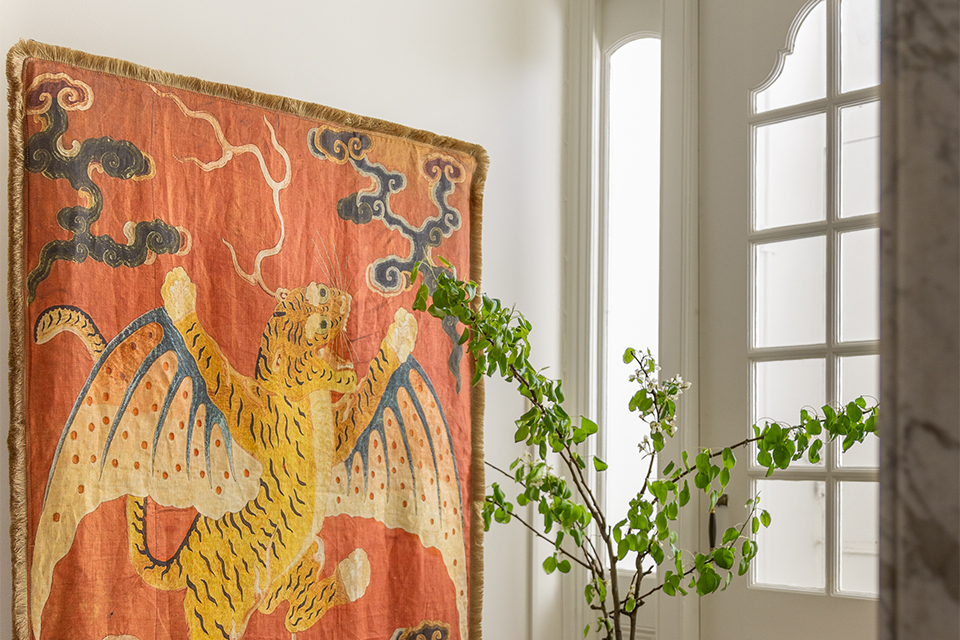
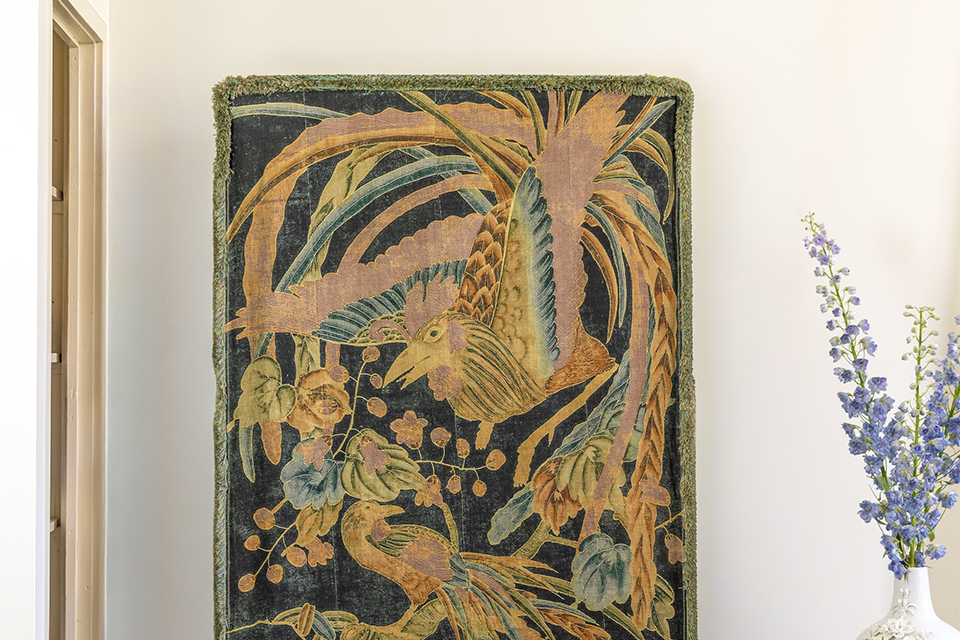
Her tapestries are created from so-called ‘forgotten photographs’, found in print shops and archives. She then combines these images with her own backgrounds and enhances them with paint and materials such as mother-of-pearl, copper and gold leaf, on fabrics such as linen, velvet or satin. The gold-stitched fringe forms a recognisable signature. The result is work in which the past and the present converge.
In hospitality projects, Douglas makes a point of connecting with the context. She works both independently and on commission, and actively contributes ideas regarding the application. “I start by looking at the space: what kind of experience do you want to give guests here? Based on that feeling, I draw up a proposal that fits the bill.”
In the case of a boutique café, this did not result in a selection from her existing work, but in a series created specifically for this venue. “You ask yourself: what could be more striking here, in terms of colour, material, but also in terms of imagery? What do you want the guest to feel here? If everything comes together, it enhances the space without overpowering it. Art thus becomes an integral part of the whole concept.”
The piece is suitable for use in both public and private spaces. In lobbies and bars, a large piece serves as a visual focal point; in suites, it enhances a more personal, cosy atmosphere. The distinctive fringed edge creates a sense of cohesion between spaces and reinforces the visual identity.
According to Douglas, the added value of art in hotels lies primarily in its indirect impact. Guests experience the effect without being able to put it into words. “If the surroundings have been carefully curated, people feel particularly at ease; it soothes, connects and creates a lasting experience.”
Douglas collaborates with interior design professionals and, in addition to her own studio in Zeist, also exhibits her work at the ETC Design Centre in Culemborg, where she discusses projects and applications with clients. She recognises that the role of art in hospitality is shifting from decoration to experience and identity, and uses both showrooms as a space to engage in that dialogue with interior design professionals and hoteliers.
 Nederlands Nederlands
  English (UK)