hotelvak.eu
EN

Platform on hotelmanagement, interiordesign and design in the Netherlands
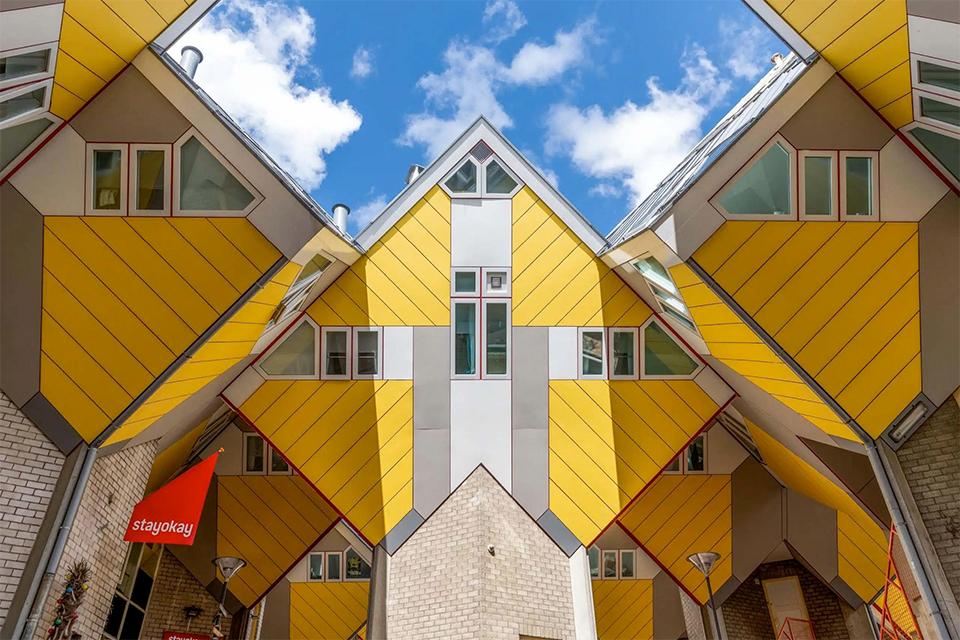
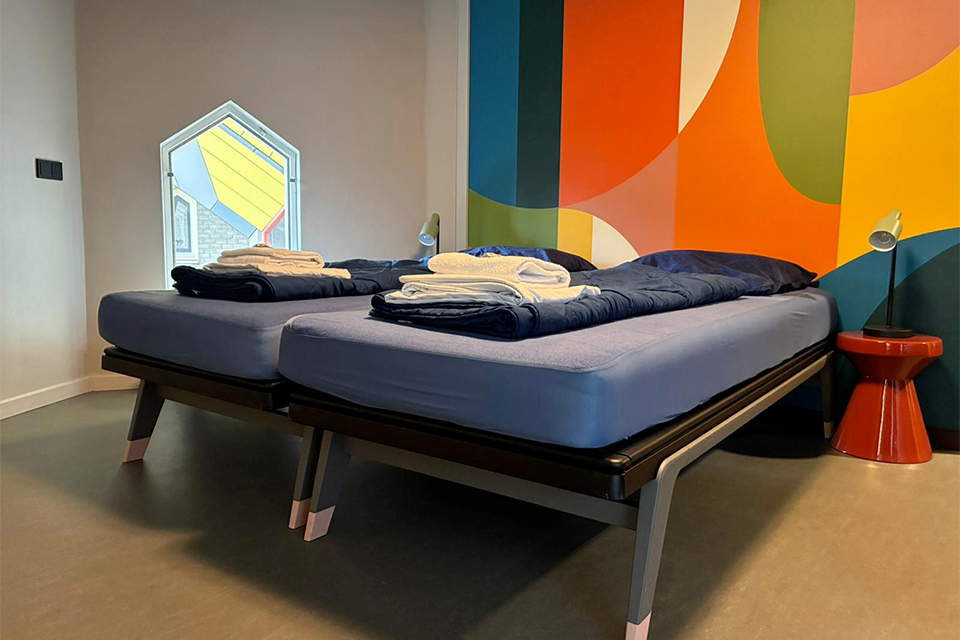
Auping recently collaborated with Stayokay Rotterdam on a refurbishment project within Rotterdam’s iconic cube houses. For this project, the company supplied 16 Original beds fitted with 90×200 One mattresses.
According to the bed manufacturer, the role of sleep comfort in the hospitality sector is clearly changing, including within hostel concepts, where guests have increasingly high expectations regarding comfort, appearance and the overall stay experience.
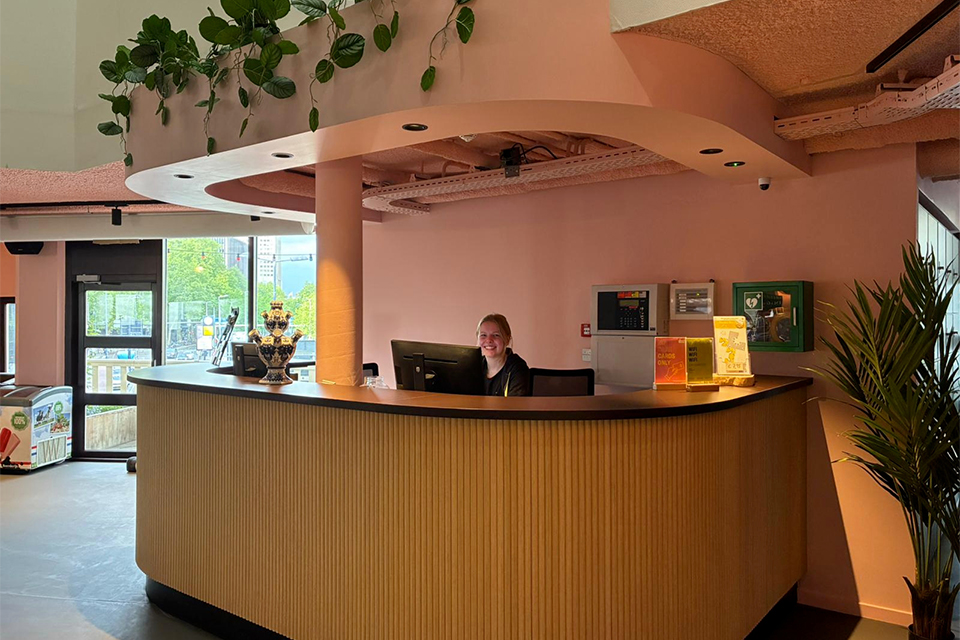
Nestled amongst Rotterdam’s cube houses, Stayokay welcomes guests from all over the world every day. Backpackers, families, tourists and business travellers stay there in one of the Netherlands’ most famous architectural landmarks. It is precisely in such places that, according to those involved, hospitality is increasingly about the combination of location, atmosphere and comfort.
At the same time, an iconic building also presents practical challenges. Spaces are laid out differently, rooms require flexibility, and every detail must be designed to ensure both comfort and efficient use. Particularly in a hospitality environment where rooms are used intensively, factors such as ease of maintenance, long-term durability and efficient housekeeping operations are also key considerations.
According to Eli Nahuis, B2B Sales Manager at Auping, guests“ expectations are clearly shifting. ”Even in hostels, guests increasingly want to experience the same quality they would at home. This is particularly true now that the target audience is broadening and hospitality concepts are becoming increasingly similar,” he says.
Whereas hostels used to be primarily about flexibility, price and location, Auping and Stayokay say the focus is increasingly shifting towards comfort and the overall guest experience. As a result, the role of sleeping comfort is also changing. It is no longer just a practical basic amenity, but an integral part of how guests experience and rate their stay. “With a shared focus on sustainability and hospitality, we are taking a step together towards future-proof travel,” says Nahuis.
“A sleeping solution must not only be comfortable for the guest, but also fit in with the day-to-day operations of a hospitality concept,” says Nahuis. “This combination is becoming increasingly important, particularly in locations where rooms are used intensively.”
According to Auping, these developments are part of a wider shift within the hospitality sector, where the boundaries between hostels, hotels and lifestyle concepts are becoming increasingly blurred. Guests expect the same tranquillity, quality and attention to detail in an ever-increasing number of places.
 Nederlands Nederlands
  English (UK)