hotelvak.eu
EN

Platform on hotelmanagement, interiordesign and design in the Netherlands
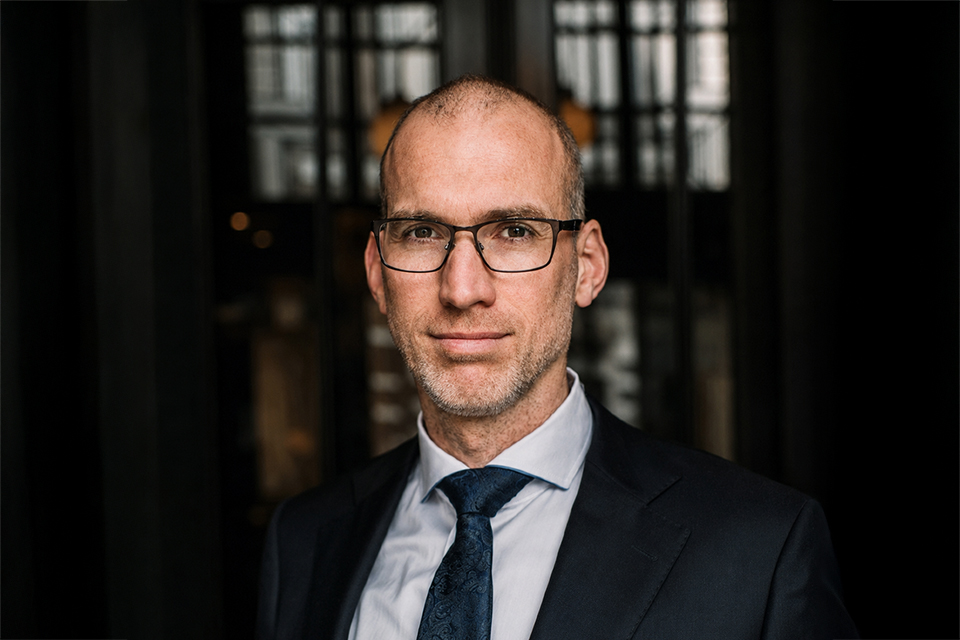
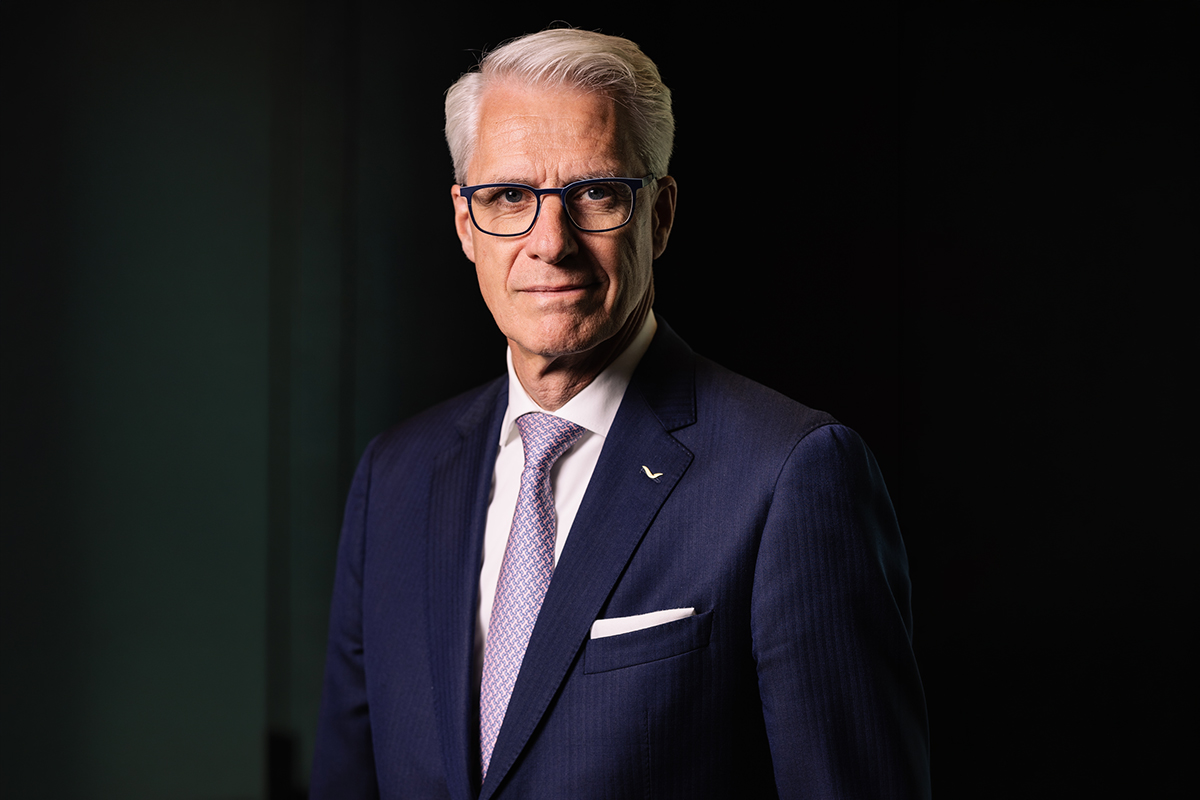
Peter Bishoff, 47, married, father of two and co-founder of 3B Hotels, is not the sort of entrepreneur who makes a big deal of his story. He speaks matter-of-factly about luck, mistakes, risks and hard work. But beneath that down-to-earth attitude lies a clear common thread: Bishoff does what needs to be done. Not because it’s easy, not because it comes naturally, but because he has a clear goal in mind.
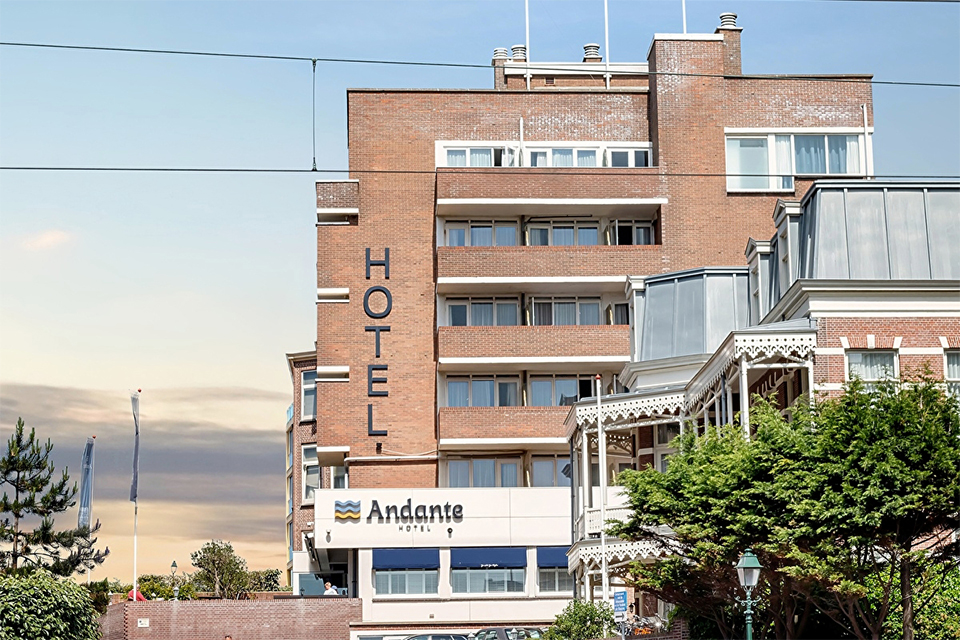
He now lives in Ireland with his family, manages his hotels—Magnolia, Andante and Mu—remotely, and has a different perspective on running a business compared to the years when he was literally on site at his first hotel 24 hours a day. He also refers to work as a hobby, though he immediately qualifies that. Every job has its pros and cons, Bishoff remarks, and it is precisely the aspect that feels like a hobby that makes the downsides bearable.

His story doesn’t begin in a family of entrepreneurs. Bishoff grew up with his father, mother and two sisters. A close-knit family, he says, and still together today. His mother worked for the government, his father on a project basis. So entrepreneurship wasn’t something that came naturally to him. He attributes the fact that he ended up going down that path later in life partly to his sporting background. As a young boy, Bishoff wanted to be a cyclist. He tried to become very good at it in Spain, but that attempt ultimately failed. When asked why, Bishoff responds clearly: “Simply not good enough. But it’s precisely through hard work that I’ve got further than I might have expected based on talent alone.” He doesn’t call it a boyhood dream that fell apart. At some point, you make a rational choice and apply the same dedication to a different field. Those sporting years did shape him, though. Discipline, making sacrifices, missing out on parties, carrying on when others give up: it was all part of the deal. Later, he says he made up for all those parties, but the mindset remained. After all, Bishoff didn’t just happen to end up running a hotel. He arrived where he is today via detours, failures, coincidences and tough choices.
After his cycling career, Bishoff ended up in the hospitality industry. Having travelled extensively for the sport, he spoke several languages. In a tourist area, that made him a sought-after employee. He started out as a tout on the promenade. He prefers to use the Spanish word publicidad himself. It sounds less crass and better suits how he approached the job. He isn’t the type to push people inside, but someone who genuinely wants to make a connection. If someone wasn’t in the mood for steak, he’d just as easily direct them to the best Chinese restaurant in El Arenal. That might seem odd for someone working at a steakhouse, but according to Bishoff, it actually worked. Those who were well looked after would come back later. So he didn’t become a pushy salesman with flyers, but more of a local guide. Where can you eat? Where can you go cycling? Which boat trip is good? Bishoff knew the area and used that in his work on the promenade.
It was on that promenade that he really came into his own; he was good at reading people, listening and striking up conversations. Later, he started working behind the bar, first in Mallorca and then in Crete. When the financial crisis hit, he returned to the Netherlands. He needed a job again and ended up in the hospitality industry.
In the Netherlands, Bishoff started out at a small hotel chain. He began at the bottom as a barman; he held various roles within the hotel. Gradually, he was given more responsibility. Yet at a certain point, he realised that with his HAVO qualification and, as he puts it himself, “a big mouth”, he had eventually hit a glass ceiling.
So, at the age of 32, he decided to go back to university. He studied for a higher professional education degree in Leeuwarden, whilst working two jobs. He was able to do this with the support of his wife. That course taught him, above all, about the human side of management. He needed that, he says. Top-level sport, the entertainment industry and nightlife are tough worlds. There, you learn to take action and persevere, but not automatically how to lead people effectively. By the end of that course, he was able to buy his first hotel.
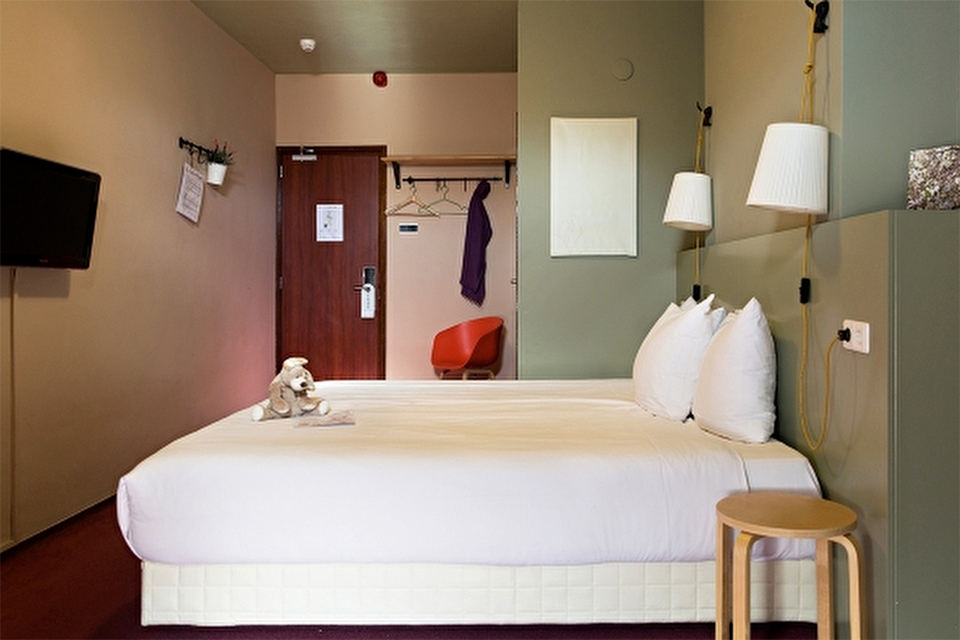
That first hotel didn’t come about because there was a large sum of his own money lying around somewhere. Bishoff literally went cap in hand. Family, friends and people who not only provided funding but also became partners got on board. That is why he does not own one hundred per cent of the shares. It all started with a comment made during his grandmother’s birthday party. Bishoff said there that he felt others weren’t doing a good job. If he were given the chance, he thought, he could do better. His uncle was spurred on by that cheeky remark and said: ‘Then let’s give it a go together.’ That’s how the ball started rolling.
The first hotel was Hotel Atlas in Amsterdam. Bishoff was proud of the business plan, but it soon became clear that the figures didn’t pan out as expected. A week after the takeover, the market picked up. He has no hesitation in calling that luck. Exactly the bit of luck you need when you throw yourself into something wholeheartedly. The start was not exactly romantic. The hotel had no staff, no systems and, in fact, just one employee who was taken on. All other duties fell to Bishoff. He worked night shifts, slept above the reception and was literally working 24 hours a day to build up the hotel.
There was little point in being afraid. There was no time for that. Besides, the fact that the takeover was going ahead was, above all, a relief. So much time had already been invested that pulling out at the last minute felt worse than taking the plunge itself. On the very day he heard that the financing had been secured, he also found out he was going to be a father. A special day, as Bishoff calls it. A point of no return, both professionally and personally.
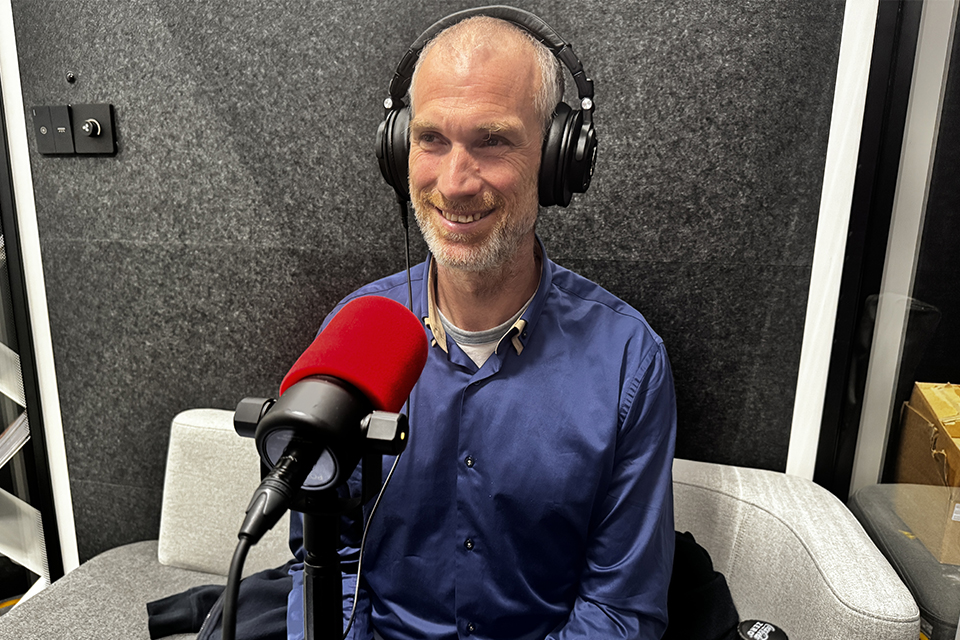
Bishoff still works alongside his uncle. He believes this is both a strength and a weakness. They are quite different. It is precisely because of this that they are able to tackle different aspects of a project effectively. Bishoff excels in operations, HR, marketing, sales and pricing. His uncle has a background in accountancy and law.
That division of responsibilities makes the partnership work. Everyone has their own area of expertise. The final decision also lies within that area. His uncle is entitled to his opinion on the operation, but ultimately it is Bishoff who decides. The same applies in reverse when it comes to tax and legal matters. Without that division of responsibilities, you end up with a deadlock on every issue.
When asked whether discussing things with family is more difficult, Bishoff replies that you have fewer inhibitions, but also more opportunities to make amends. There are rules, although these are sometimes thrown out the window when things get a bit heated. Apparently, that’s just part of the dynamic between two Amsterdam characters who wear their hearts on their sleeves.
Hotel Atlas was located near Vondelpark, within walking distance of Museumplein and Leidseplein. Bishoff knew exactly which guests he wanted to attract: dual-income couples, with grown-up children, some disposable income and looking for authenticity in Amsterdam. By authenticity, he didn’t mean a marketing term. He meant a genuine Amsterdammer behind the reception desk. Someone who could tell guests where to go, who had time to pay attention and who suited a small hotel in an authentic Amsterdam building. Not a large hotel where you check in and walk straight through again. In that location, with that building and with that pricing, that wouldn’t work.
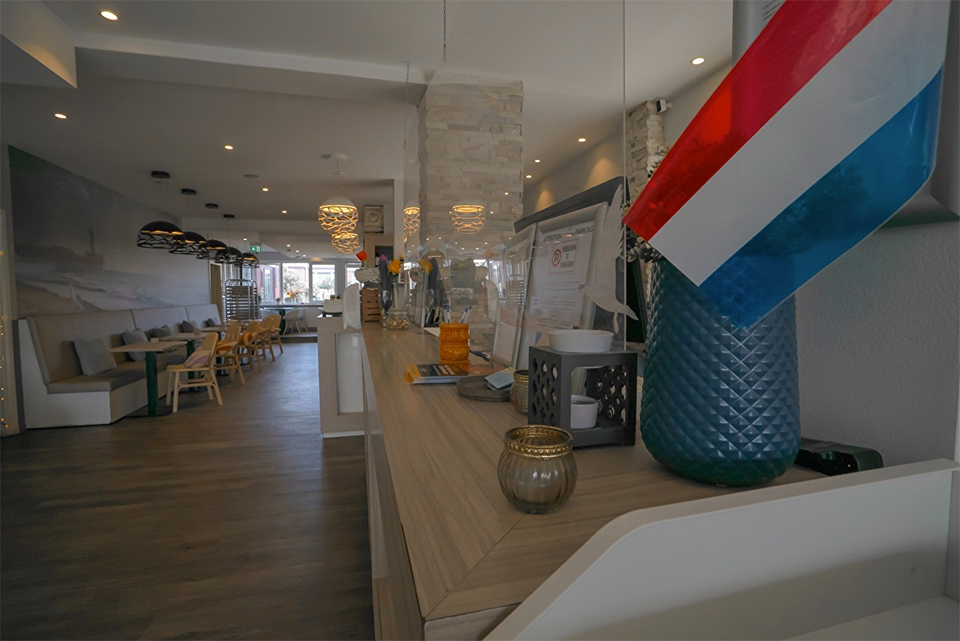
Once the first hotel was up and running, the second one came along almost by chance. An estate agent rang up: the hotel on the corner was up for sale. If Bishoff and his uncle could act quickly, they could strike a deal. They’d already had their eyes and ears open, but timing is everything. Bishoff discussed this step with his wife as well. She supported his business decisions. That was important, especially in the early stages. Bishoff had no income of his own. Her income and support made it easier to take risks. She herself comes from a family of entrepreneurs, which, according to Bishoff, meant she understood well what it takes to build something up.
After opening two hotels in Amsterdam, the question arose as to whether a third hotel should be located in the same market again. Bishoff and his uncle carried out a risk analysis. At that time, terrorist attacks in European cities were a topical issue. If anything were to happen in Amsterdam, they would have all their assets in a single market. That is why they looked beyond Amsterdam. That is how they ended up in Scheveningen. Later, they sold Atlas. That too was a conscious choice, partly due to their experience during the pandemic. Amsterdam was hit hard. Scheveningen fared relatively well. Diversification became important once again. Then Andorra came into the picture. According to Bishoff, anyone who owns hotels in the Netherlands makes most of their money in the summer. Anyone who also wants to generate revenue in the winter ends up in winter sports. He did look at Austria and Switzerland, but found the property there too expensive. He dryly remarks that he would have to live to be 130 to ever recoup the investment. Andorra offered a different opportunity. The official language is Catalan, which Bishoff does not speak. But you can get a long way with Spanish. Spanish is widely accepted on the streets. Culturally, Andorra reminds him of Mallorca: many nationalities, many languages, many backgrounds. A sort of island, he says, but in the mountains.
So Bishoff now lives in Ireland. His wife is Irish and lived in the Netherlands for sixteen years before he did. Now the move has been made the other way round. He says he fits in well with island culture. Not better than the Netherlands, but different. And that difference suits him. The fact that he lives some distance from his hotels doesn’t mean he’s never there. He flies a lot, by his own account 40 to 50 times a year. But his role has changed. Whereas he used to spot for himself that ten bags of sugar had been ordered incorrectly, he now focuses on output. Letting go of that took some getting used to. Due to his sporting background, Bishoff naturally pays attention to details. But with multiple hotels, that no longer works. You need managers who deliver results and take care of the details themselves. He has made mistakes in that regard too. In the early stages of multi-unit management, he recruited people who weren’t suited to that style of management. He now has a better idea of what he needs. Not someone who is like him, he says, because he’s already here. Instead, he’s looking for people who can handle the details effectively. His own focus is now more on broader business strategies: benchmarking, best practices, long-term objectives and efficiency. For example, when it comes to energy consumption. Heating, lighting, sensors in bathrooms, weather-dependent thermostats. According to Bishoff, in hotels, guests leave the heating on and the bathroom lights on en masse. As if it costs nothing. It costs the guest nothing, but it does cost the hotel.
When the conversation turns to current concerns, Bishoff describes the government as a headache. In his view, the VAT increase is no cause for celebration. Hotels cannot simply absorb it without adapting their working methods. They need to work more efficiently; costs must be cut. He is also critical of Amsterdam. He understands that the city is busy and that tourism needs to be managed. But he believes that a high tourist tax drives tourists to places like Zaandam, after which they still catch the train to Amsterdam. For the guest, expectations remain the same. They see a room rate on a booking site and expect quality. The fact that a substantial portion of that price goes to the government is not the guest’s problem. Bishoff himself is not actively engaged in discussions with the council. From previous experience, he has come to feel that whilst they do listen, the authorities ultimately do as they please. He prefers to channel that energy into matters he can influence himself. You don’t go and fight Mike Tyson either, he says. You sign petitions, support industry organisations that push back, and in the meantime prepare for what is likely to come.
Not everything in the hotel industry is about strategy, growth and figures. Bishoff also experienced the raw side of things. In one of his hotels, someone attempted suicide. He was there in person and was able to support his colleagues. The person survived the attempt and, as far as he knows, is still alive. But there was a lot of blood and it was a harrowing situation. His experience in the nightlife industry helped him. There, you encounter strange people and strange situations. You learn to act first and only then to be shocked. The incident hasn’t made him afraid to enter hotel rooms. He wouldn’t want to go through it again, but it doesn’t weigh on him day to day. That level-headedness is typical of him. Not because it doesn’t affect him, but because he distinguishes between what gets close to him and what he needs to be able to handle professionally.
At the end of his story, Bishoff returns to three lessons. The first is perseverance: doing whatever it takes to achieve what you set out to achieve. The second is to keep improving. Yourself, your systems, your business. Especially in an age where AI systems can, for example, answer the phone, as an entrepreneur you must constantly look for ways to improve. He considers the third lesson perhaps the most important: being frugal. “You could drive around in a €350,000 Lamborghini, but with that money you could also make your business more future-proof for the next ten years.” He himself still drives the same car he had when he bought Atlas. That perhaps best sums up Bishoff. He is not a hotelier who flaunts his success. He is a hotelier who prefers to build rather than show off. He didn’t manage to become a professional cyclist, but as an entrepreneur he is tackling a tough mountain stage: not always straight up, sometimes via detours and deep valleys, but always with the same rhythm in his legs. Keep building, keep improving and prove that it can be done.
Listen to the podcast episode with Peter Bishoff on Hotelvak, the go-to podcast.
 Nederlands Nederlands
  English (UK)