hotelvak.eu
EN

Platform on hotelmanagement, interiordesign and design in the Netherlands
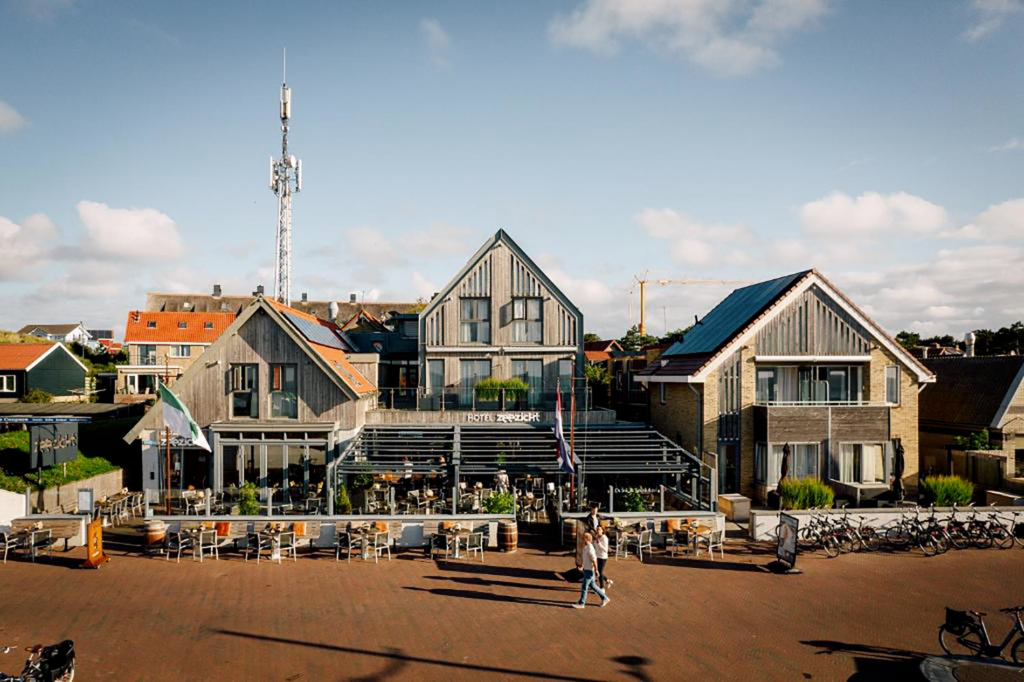
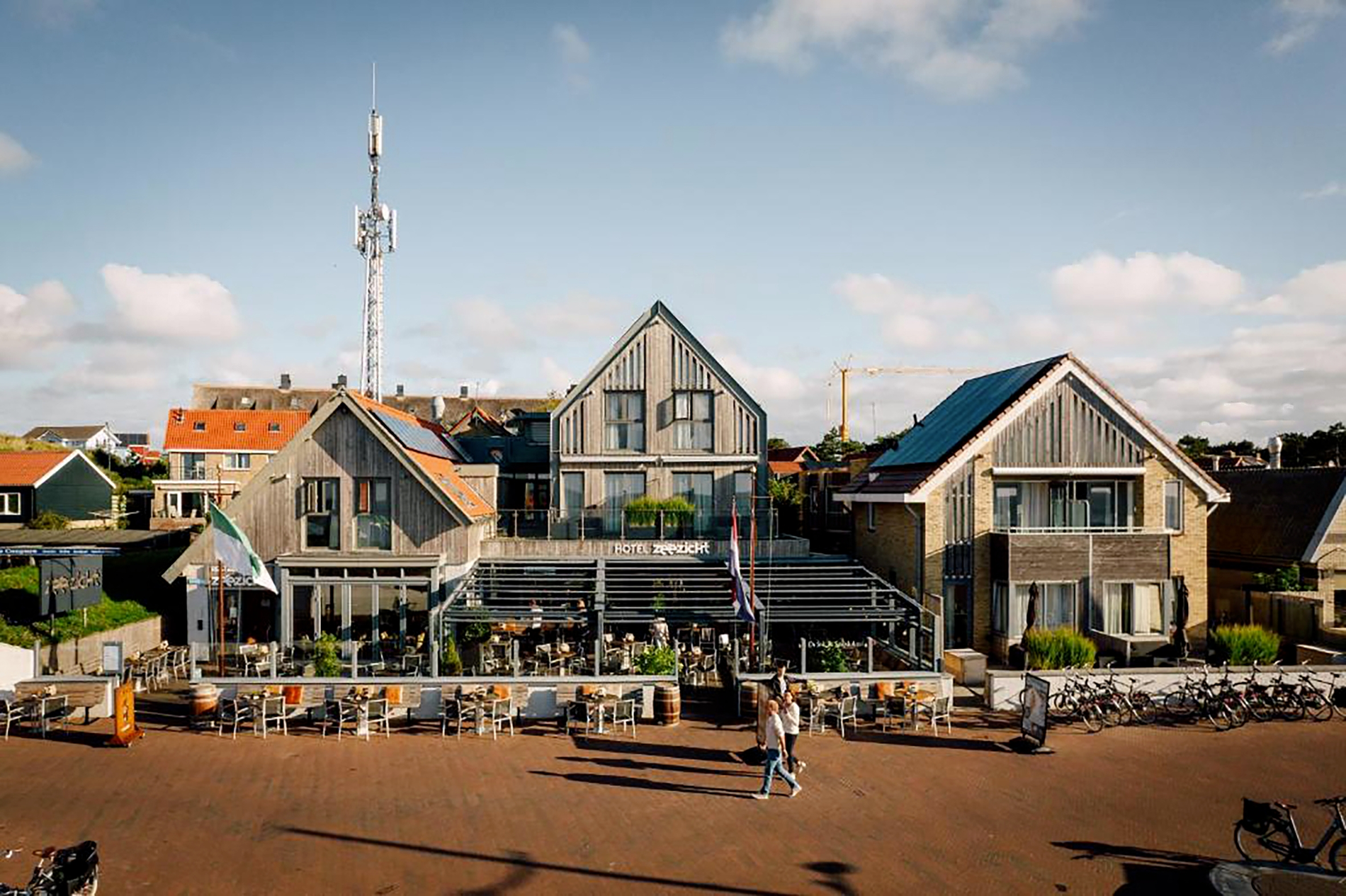
Directly opposite Vlieland’s ferry terminal lies Hotel Zeezicht, a family-run hotel with 41 rooms that truly lives up to its name. Several rooms overlook the Wadden Sea, whilst the village is within walking distance. This location is not only an attractive selling point for guests, but also lies at the heart of the hotel’s positioning: accessible, firmly rooted in the local community and closely connected to the island.
Hotel Zeezicht has been owned by brothers Klaas and Erik Houter since 2001. Their family has been active on Vlieland for over sixty years, and the third generation is now running the business on the island. Moreover, the family’s business activities are not limited to the hotel sector. Catering, cycle hire, retail and leisure are also part of their business portfolio. This enables the hotel to put together packages in which accommodation, dining and exploring Vlieland are seamlessly combined.
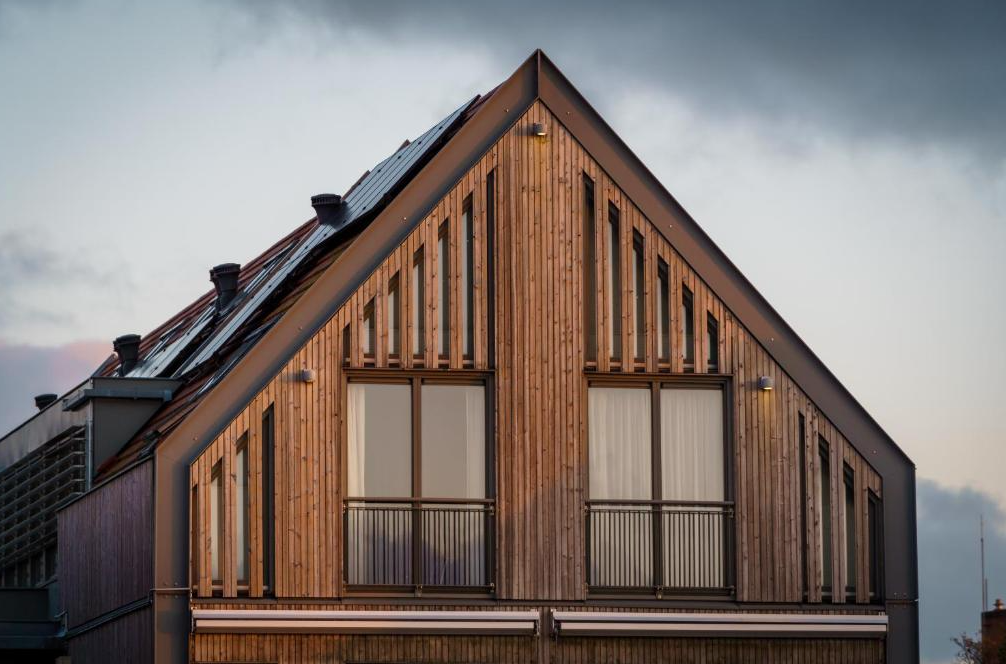
The building itself also embodies a piece of the island’s history. Zeezicht was built in 1913 as the official residence for the director of what was then the Nautical College. After that role ceased to exist, the building was converted over the years into a guesthouse and later a hotel. This development is in keeping with the company’s current character: not detached from its location, but born of and having grown alongside Vlieland.
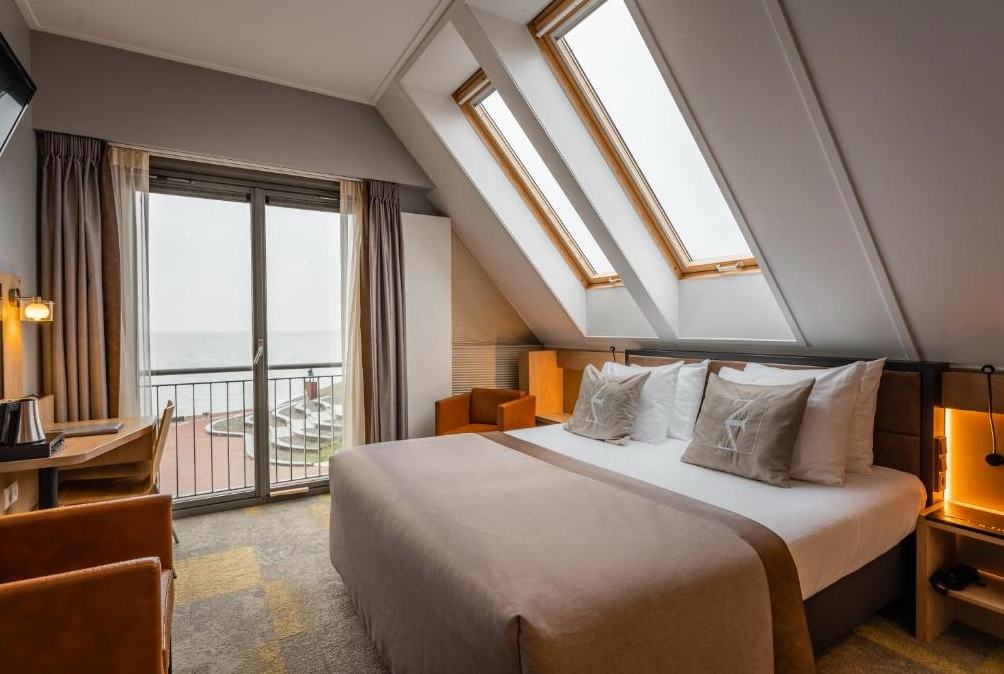
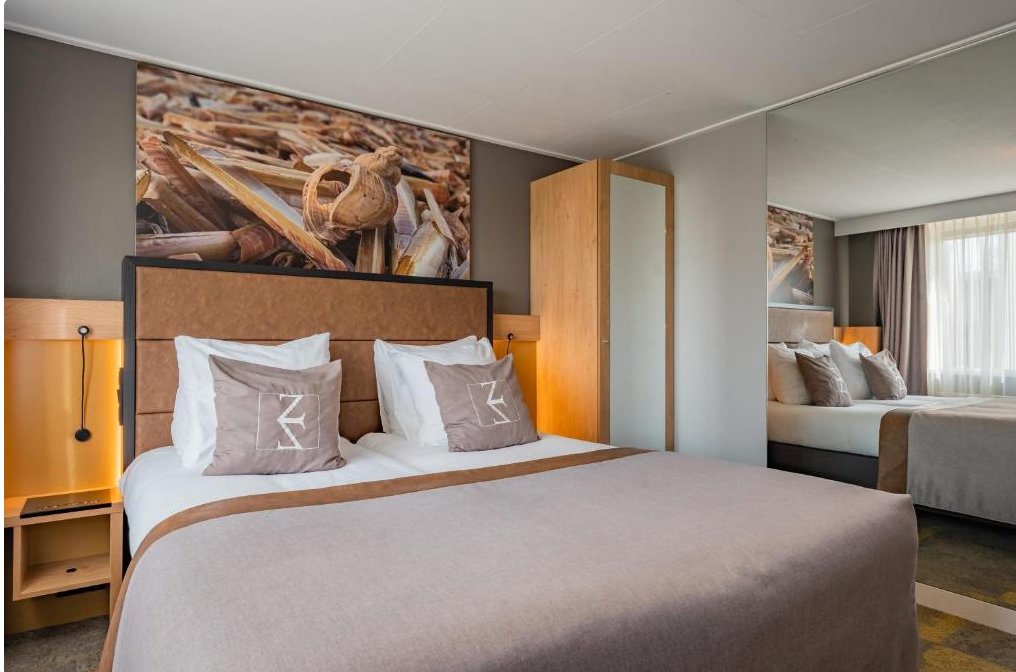
Zeezicht is a compact hotel. It has 41 rooms in various categories, ranging from standard and comfort rooms to premium rooms and sea-view rooms. The rooms differ not only in size, but also in their views and facilities. For example, the standard sea-view rooms measure approximately 28 square metres and are situated on the south-facing side, with views over the Wadden Sea. In addition, there are sea-view rooms with a balcony. This differentiation allows the hotel to cater to multiple price points and target groups within the same concept.
It is striking that Zeezicht explicitly makes the surroundings an integral part of the product. This starts with the view, but extends to the holiday packages and facilities. Walking and cycling are natural pillars of Vlieland, and the hotel links these to cycling packages, amongst other things. There are also wellness and culinary packages. In this way, Zeezicht sells not just a room, but a complete island holiday. For independent hotels, this is a relevant strategy: differentiation is increasingly less about the physical product alone and more about the combination of the stay, the location and the additional experience.
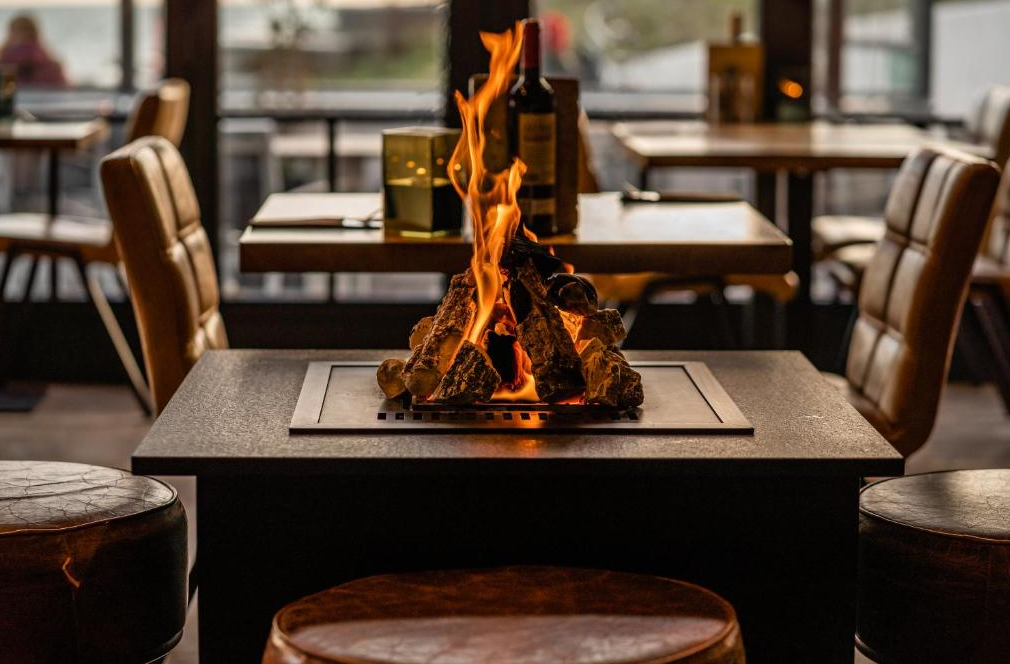
The hospitality sector also plays a part in this. Restaurant Zeezicht is open to both hotel guests and other visitors to the island and serves breakfast, lunch, drinks and dinner. Wherever possible, the kitchen uses produce from Vlieland and sources its bread from a local baker. The restaurant and its heated terrace overlook the Wadden Sea. The catering facility thus fulfils two roles: as a service for hotel guests and as an independent revenue generator that also attracts customers from outside the hotel.
The direct booking strategy is in line with this broader business approach. On its own website, Zeezicht highlights the benefits for guests who book directly, including a best-price guarantee, free cancellation, a day’s free bike hire and access to exclusive packages. The aim is to retain as much control as possible over the relationship with the guest, whilst platforms such as Booking.com remain important for reach and visibility. For an independent hotel, this balance is crucial: distribution via OTAs generates demand, but direct bookings offer greater control over margins, guest data and the customer relationship.
For Hotel Zeezicht, its distinctive strength ultimately does not lie in any single spectacular facility. Rather, it is the combination of scale, family-run management, location and close ties with Vlieland that makes the concept so recognisable. The hotel uses its location near the ferry terminal to its practical advantage, but builds a broader guest experience around it through its catering, packages and local partnerships.
At a time when more and more independent hotels are competing with chains, online platforms and ever-increasing guest expectations, Zeezicht demonstrates that local roots can be commercially relevant. Not by expanding, but by consistently integrating the destination into the hotel’s offering. This creates a proposition that guests recognise and which makes logical sense from an operational perspective.
 Nederlands Nederlands
  English (UK)