hotelvak.eu
EN

Platform on hotelmanagement, interiordesign and design in the Netherlands
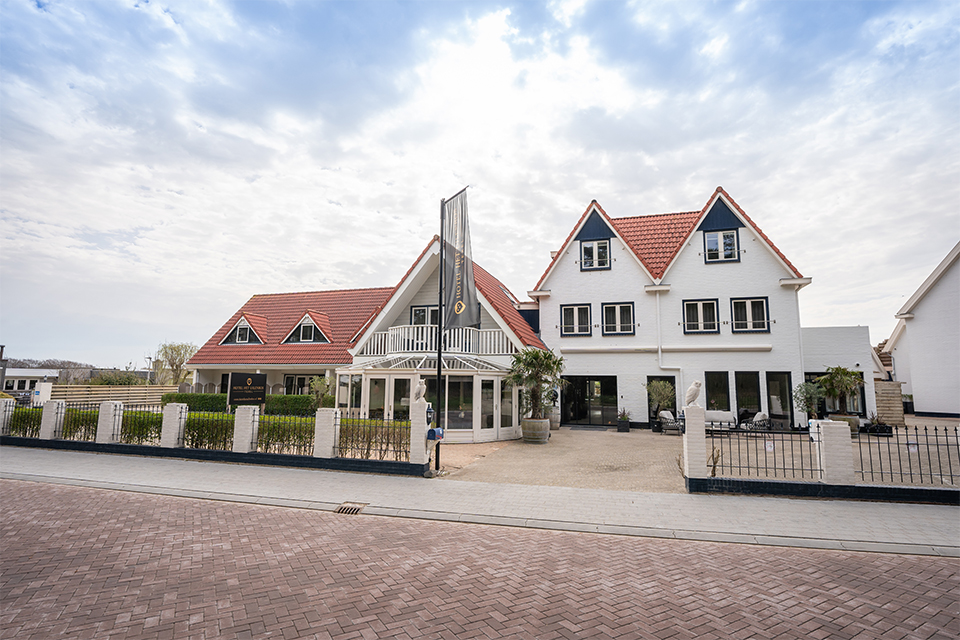
Anyone walking into Hotel Het Uilenbos will immediately notice that something has changed significantly here. Behind the hotel’s familiar exterior, a revamped interior concept has taken shape over the past few months, featuring warm materials, soothing colours and a strong Texel character. This transformation follows a recent takeover and an intensive period of renovation, during which the focus was not only on modernisation but also on creating the right atmosphere, enhancing the guest experience and strengthening the connection with the island.
Almost immediately after the takeover by Maikel Beijne and Peter Koorn, an intensive refurbishment began. Over the course of eleven weeks, 23 rooms were refurbished, along with the reception area and various communal spaces. The schedule was tight, as the tourist season on Texel generally runs from April to October. According to Beijne, this pace was ultimately only achievable by working almost exclusively with local Texel businesses. “Everyone knows each other here, and people are quicker to work together.”
Hotel Het Uilenbos originally consisted of two separate hotels: Het Uilenbos and Het Jachthuis. The buildings, dating from 1928 and 1934, were later merged into a single hotel complex. This layout plays an important role in the renovation. Whilst one building was being refurbished, the other was able to remain open for business. The second phase of the renovation, in the former Jachthuis, will take place this coming winter.
The outer shell remained largely intact, whilst inside, a conscious decision was made to create a new look. “From the outside, you still see a white 1930s building,” says Beijne. “Inside, we wanted to surprise people, but in a warm way.”
The refurbishment went beyond simply a new interior design. Among other things, the rooms were fitted with new flooring, beds, bespoke wardrobes, electrical installations, window frames and underfloor heating. The reception and communal areas were also refurbished.
For the interior, the owners opted for a combination of light olive green, anthracite and warm wood tones. According to Beijne, these colours complement the hotel’s surroundings, where guests can look out directly onto the woods and countryside from the reception area. Dark backgrounds are combined with lighter accents, creating a calm, warm atmosphere without the interior feeling heavy.
Lighting was also a key focus of the design. In the rooms, LED strips have been incorporated behind desks, cupboards and curtain pelmets, allowing for a variety of lighting atmospheres. The owners deliberately opted for a warm, homely feel, with plenty of space for comfort. Armchairs, minibars, coffee facilities and bespoke solutions were intended to add something special without making the rooms feel cluttered.
The use of freestanding elements helped in this regard. They make the rooms look more spacious and make cleaning more practical. According to Beijne, this is also part of good hotel design: atmosphere and practicality should not get in each other’s way.
One striking detail is the focus on scent. Beijne has worked with this concept in hotels before and is applying it here too. Each room will have its own unique scent experience. “People don’t just remember what they see,” he says. “They remember how a place feels. Scent is part of that too.”
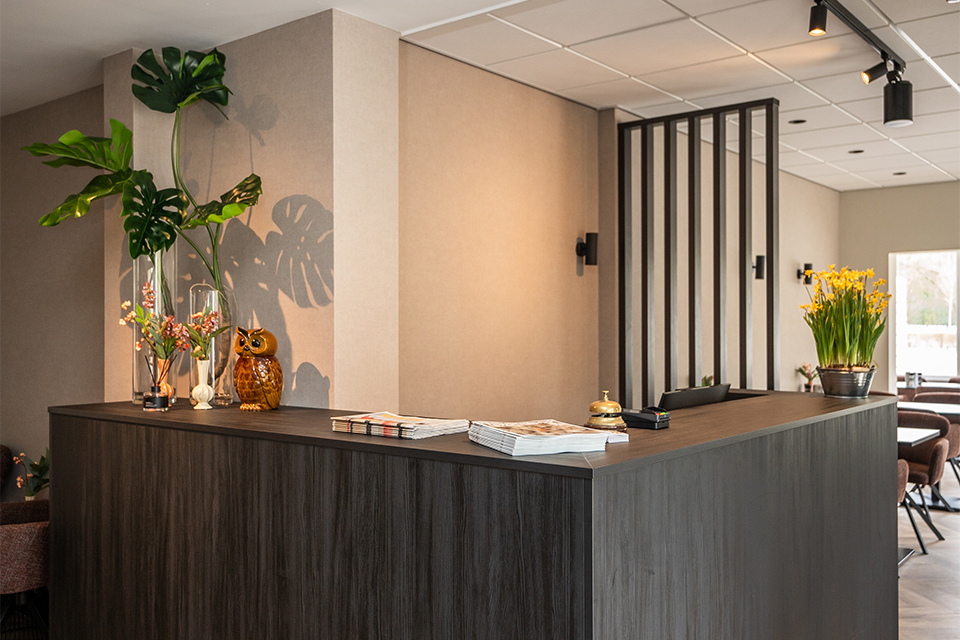
Virtually the entire renovation was carried out by companies based on Texel. According to Beijne, this was essential to meeting the tight schedule. This local collaboration not only ensured short lines of communication, but, in his view, also fostered a way of working that suits the island.
The entrepreneurs are carrying this local connection through into the day-to-day running of the hotel. Texel produce features prominently in the breakfast buffet, partly through partnerships with local suppliers and a care farm. At the same time, Beijne and Koorn want to ensure the hotel does not become a closed-off world. Instead, they encourage guests to explore De Koog and the rest of Texel. They have deliberately chosen not to have a large shop or supermarket in the lobby, focusing instead on ensuring a pleasant stay and highlighting local businesses on the island.
The staff also play an important role in this. Many Texel residents work at both hotels. Drawing on their own experience, they can advise guests on beaches, restaurants, nature reserves and activities. According to Beijne, that is precisely what sets them apart. “Guests don’t just want to hear what’s on a list. They want a tip from someone who knows the island.”
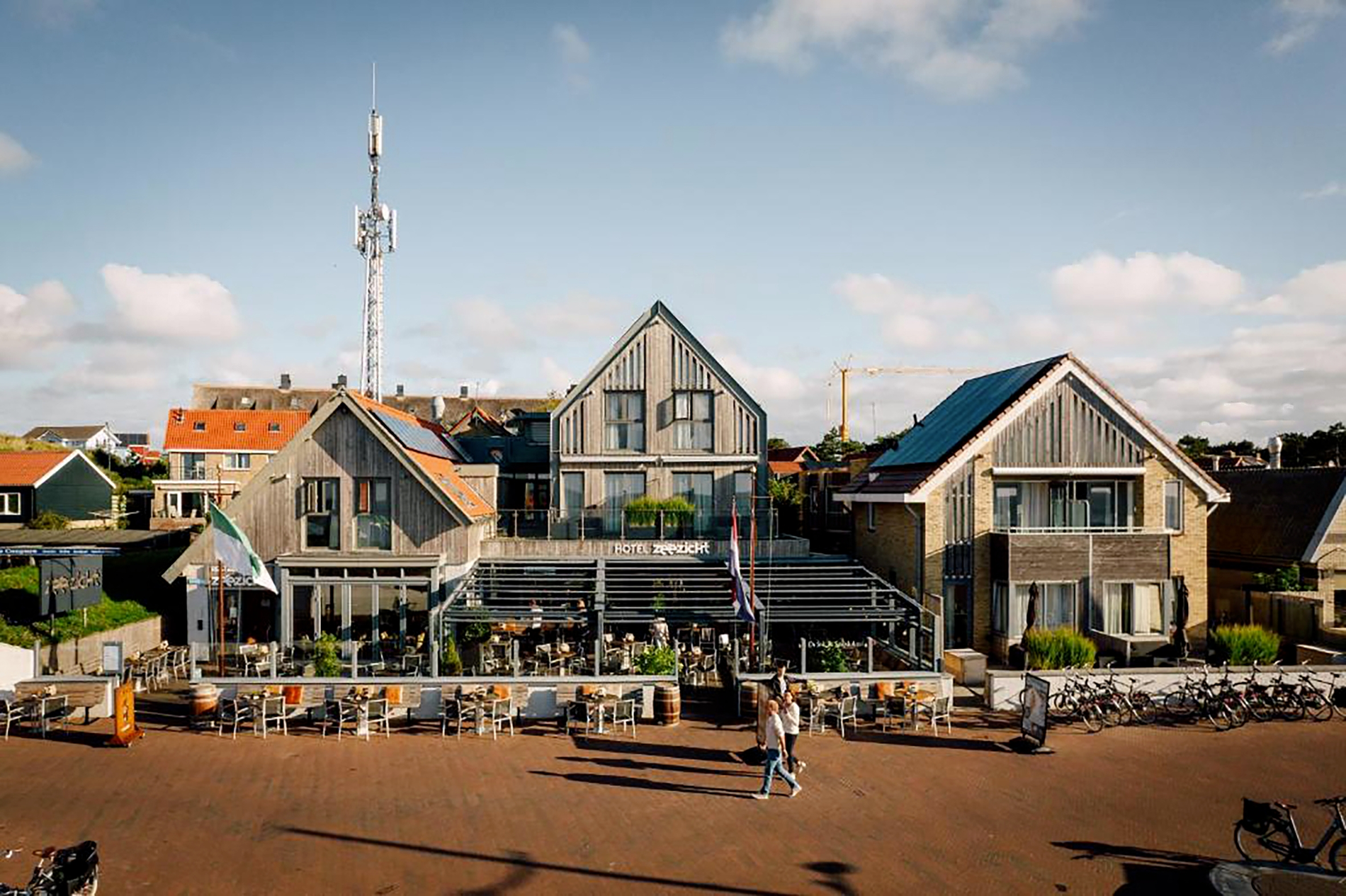
In addition to Hotel Het Uilenbos, Beijne and Koorn also took over Hotel Zeerust Texel, which is situated a short distance away on the same street. According to the entrepreneurs, this is remarkable, precisely because it means the two hotels complement each other well in operational terms, whilst still offering different types of accommodation experience. The 24-room hotel is smaller, quieter and is situated right next to the beach and the woods. The hotel places a strong emphasis on tranquillity, a small-scale atmosphere and trust, featuring, amongst other things, a self-service bar on certain days. With 43 rooms, Het Uilenbos is larger in scale and offers a wider variety of room types, ranging from simpler comfort rooms to refurbished superior rooms.
The second phase of the renovation will also see the remaining part of Hotel Het Uilenbos align with this new direction. In the longer term, Beijne and Koorn are looking to expand further on Texel. Not by replicating the same concept everywhere, but by assessing, on a location-by-location basis, which target audience, atmosphere and guest experience are most suitable for each site
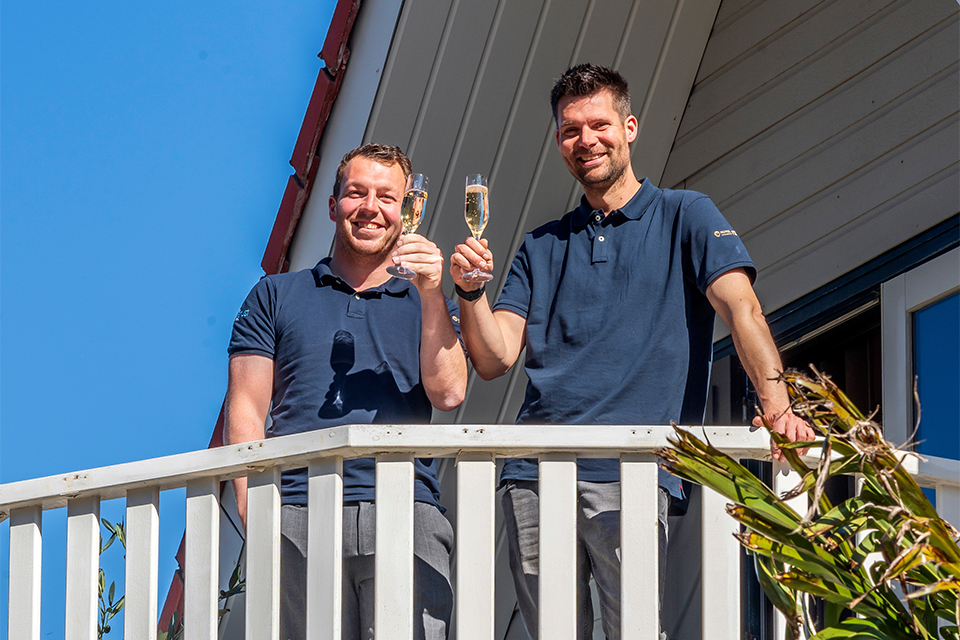
The rapid refurbishment of Hotel Het Uilenbos says a lot about the way Maikel Beijne and Peter Koorn run their business. No sooner had the takeover been officially finalised in early January than the first works got under way. According to both entrepreneurs, that drive to get things done is part of their character.
For Beijne, the takeover marked a move towards self-employment after nearly ten years at De Krim Texel. There, he progressed from food & beverage into hotel management. “I learnt an awful lot there,” he says. “But I also felt I was still too young to sit still. I wanted to build something where I could really put my own vision into practice.”
According to him, that vision centres on the entire guest experience. Not just the room, but also the welcome, the atmosphere, the advice given by staff, and the feeling guests take with them when they leave. “We all have a hotel room on Texel,” says Beijne. “The difference lies in everything else that surrounds it, from the moment guests book until they board the ferry home.”
Partner Peter Koorn brings a different entrepreneurial background to the table. He built up the advertising agency 53 Graden Noord into a company with twenty employees and sold it last year. “I’d always said that I wanted to do something different before I turned forty,” says Koorn. “When this opportunity came along, it just felt right straight away.”
According to Koorn, their backgrounds complement each other. Beijne knows the hotel industry from the inside, at an operational level, whilst Koorn brings experience in the fields of organisation, IT, back-office operations and entrepreneurship. What they also share is a clear sporting mindset. Beijne played squash at a high level for many years, whilst Koorn is involved in motor racing. “We both have a winner’s mentality,” says Koorn. “You want to keep improving and really go for it.”
That approach proved immediately useful during the first few months following the takeover. No sooner had Hotel Het Uilenbos been taken over than the first phase of the renovation got under way. According to both entrepreneurs, that drive to get things done is part of their way of working. “We enjoy building something up,” says Koorn. “Not sitting back, but looking at how we can improve things every year.”
Nevertheless, the entrepreneurs do not see the refurbishment as an end in itself. With Hotel Het Uilenbos and Hotel Zeerust Texel, they are building a small-scale hotel group centred on Texel hospitality, personalised service and a distinct identity of their own.
Even before the first rooms were fitted out, a great deal of attention had already been paid to the hotel’s atmosphere and ambience. Verenigde Schilders, together with the architect and interior designer, advised on the colour palette and the interior finishes.
According to Beijne, the company also played an important role during the project. As well as carrying out painting and wallpapering work, Verenigde Schilders helped to ensure that the work carried out by the various contractors was properly co-ordinated. “As soon as the floor fitter had finished, the next tradesperson could get straight to work,” he says. “That really allowed us to pick up the pace.”
 Nederlands Nederlands
  English (UK)