hotelvak.eu
EN

Platform on hotelmanagement, interiordesign and design in the Netherlands
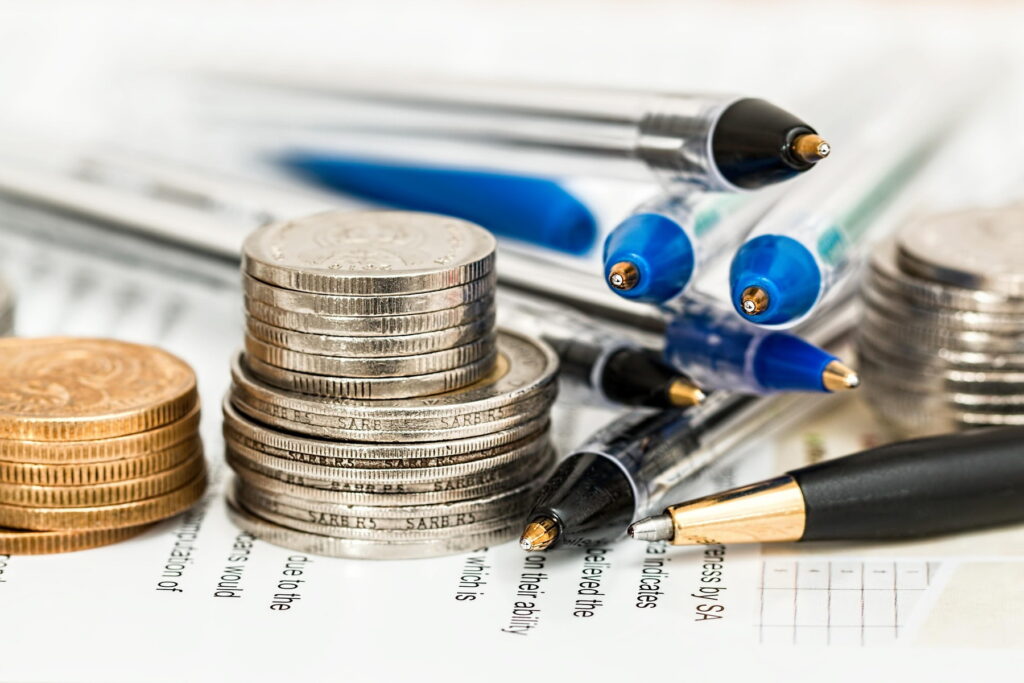
Ten sector organisations, including Vewin and VEMW, are calling for the proposed increase in the tap water tax (BoL) due to come into effect on 1 January 2027 to be scrapped. The increase will lead to higher costs for households, businesses and public institutions, whilst the impact on water saving is expected to be very limited. The organisations are calling for targeted measures that genuinely encourage water saving and water reuse.
The government intends to increase the tax on tap water by 23 per cent, from 43.7 to 53.7 eurocents per cubic metre. The additional revenue will go into the general fund and will not be used for (drinking) water or sustainability measures. At the same time, drinking water companies are facing increasing investment challenges to provide future generations with sufficient, clean and affordable drinking water. It is expected that drinking water tariffs will inevitably rise as a result in the long term. Drinking water is essential for public health. The tariff consists of taxes. An additional tax increase makes drinking water – a sustainable basic necessity – more expensive and does not contribute to its availability.
Water conservation is essential, but, according to the organisations, it requires investment in water-saving technologies and water reuse. A a study from 2024, commissioned by the Ministry of Infrastructure and Water Management, shows that pricing does not automatically lead to water savings.
This increase comes on top of the previously agreed abolition of the BoL levy cap. This will particularly affect businesses and organisations that rely on drinking water for their production or service provision. These include not only large-scale users, but also, amongst others, the food industry, the hospitality sector, swimming pools, car wash businesses, craft breweries, the pharmaceutical industry and other organisations whose operations depend on drinking water.
To illustrate, a municipal swimming pool that uses 25,000 cubic metres of drinking water annually still paid €127.50 in tap water tax in 2025. Due to the abolition of the tax cap and the proposed rate increase, this amount will rise to €13,425 in 2027. This increase will be at the expense of the swimming pool’s operations, sustainability or affordability. For large industrial water users, the additional costs could amount to more than one million euros.
The trade associations are calling for the tariff increase to be scrapped and for an alternative approach that genuinely encourages water saving and reuse and demonstrably contributes to lower drinking water consumption. They are calling for support for investment in water conservation and reuse, the removal of legal and practical barriers, and the promotion of the availability of alternative water sources.
The appeal has been signed by the Association of Water Companies in the Netherlands (Vewin), the Royal Association for Energy, Environment and Water (VEMW), the Royal Association of the Dutch Chemical Industry (VNCI), the Federation of the Dutch Food Industry (FNLI), the Association for Soft Drinks, Waters and Juices (FWS), the Dutch Brewers’ Association, the Royal Dutch Hospitality Association (KHN), the Dutch Dairy Organisation (NZO), the Association for Innovative Medicines (VIG) and BOVAG
Neem dan rechtstreeks contact op met Royal Dutch Catering Association.
 Contact opnemen
Largest trade organisation Royal Catering Netherlands (KHN) is the largest catering trade organisation in the country, with over 20,000 catering entrepreneurs and thus some 255,000 catering employees we represent. We are committed to the industry, give advice and keep an eye on all the news surrounding the hospitality industry. We also regularly launch our own campaigns to ensure [...]
View Company profile Nederlands Nederlands
 English (UK)