hotelvak.eu
EN

Platform on hotelmanagement, interiordesign and design in the Netherlands
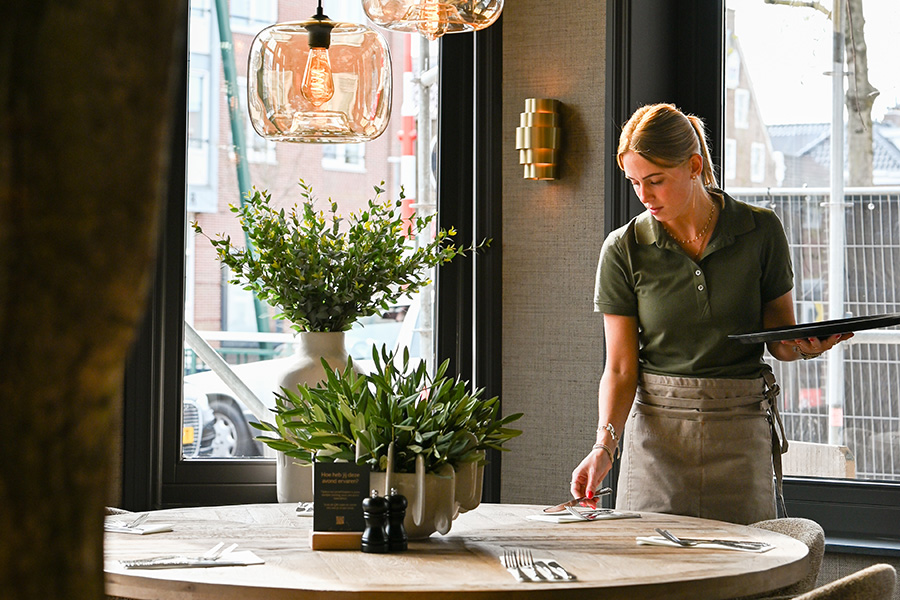
In the Frisian municipality of Opsterland, the Boutique Hotel and Grand Café De Turf is beautifully situated on the waterfront right in the centre of Gorredijk. The Grand Café has been open since 1 May 2026. The hotel expects to welcome its first guests this summer. Nynke Kamstra-Broersma and her partner Niels are running a hospitality business together for the first time. With the help of local business owners and various advisers, they have managed to breathe new life into this historic site. A place where, in days gone by, sailors and other travellers would moor to enjoy a bite to eat, a drink and a place to stay for the night.
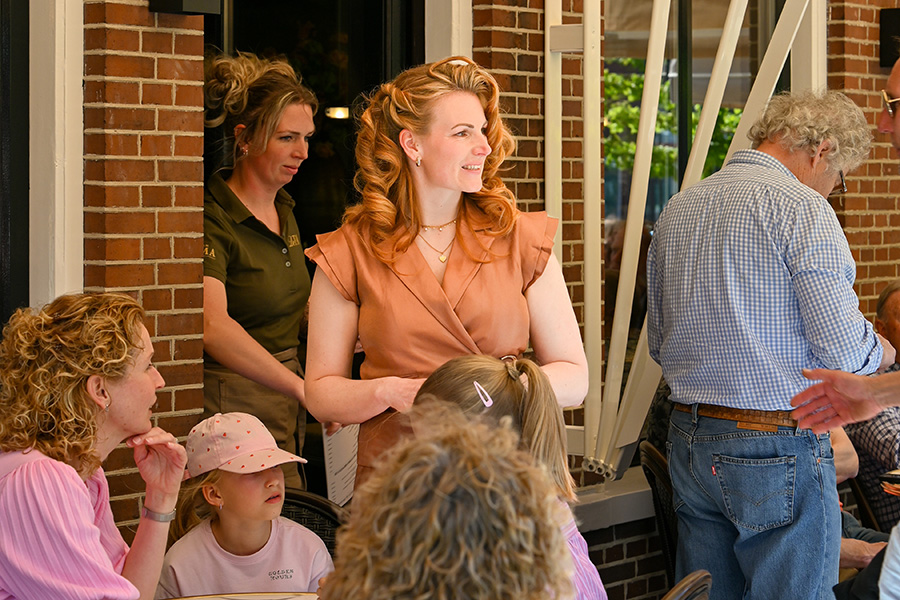
The fully renovated building is situated on the Opsterlandse Compagnonsvaart, a canal dug specifically for the transport of peat. The 16th-century village of Gorredijk, situated on the so-called Turfroute, came into being as a result of peat extraction. There is a long and a short route; the short one remains largely within Friesland, whilst the long one, stretching almost 200 kilometres, also passes through Drenthe and Overijssel. Nowadays, it is best known as a tourist route that can be explored either by boat or by bike. Peat was one of the main sources of heat in those days. It was used to stoke the stove. Peat originates from the peatlands, where it is cut and then transported by water to other parts of the country. It is a historic spot, beautifully situated by the water, where you can still watch the boats go by whilst enjoying a drink.
During the renovation of the building, the young entrepreneurs have encountered various issues. Bats and swifts have made themselves very much at home in the building, and these ‘guests’ are causing delays to the renovation work. According to an ecological assessment, these protected species must be provided with new accommodation. Alongside the conversion into a boutique hotel, special boxes for these animals are now also being installed in the surrounding area.
In Gorredijk and the surrounding villages, stories about De Turf are the talk of the town. Various teams made up of local business owners are contributing ideas on the interior design, branding and paintwork. In the midst of the renovation frenzy, Nynke’s phone rings; it’s a local head chef on the line. He’s curious and keen to have a look round. They hit it off straight away, and for a whole year he contributes his ideas and brainstorms with them on the kitchen layout and the menu. Everything is based on blind trust, and that’s what’s so wonderful about this environment. No thick contracts, just your word. If you agree on something here, it actually happens. Of course, it’s a different matter with a company like Heineken, which contributes ideas and provides the best bar advice. But it’s all for the best result.
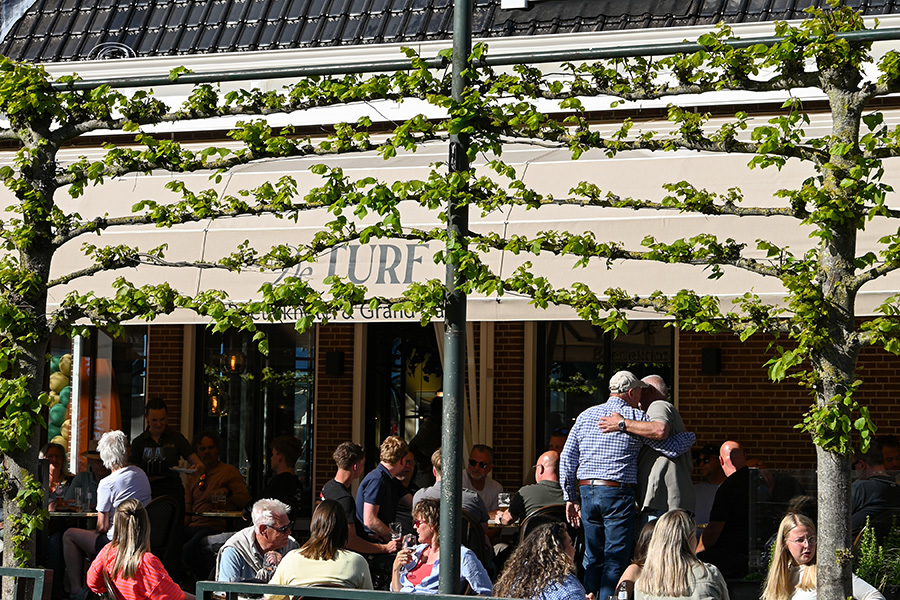
In early January, building the terrace is the biggest challenge. How are the couple going to have it built so that it’s wheelchair-accessible? At the same time, they also need to come up with a solution to bridge a massive height difference of seventy centimetres. The aim is to have everything at ground level from the shop to the terrace. On 1 January, there’s still no green light from the local council, whilst the opening is scheduled for 1 May 2026. How are you going to manage it? At that point, you’re dependent on other parties, the right plans and solutions. It isn’t until eight weeks before the opening that an agreement is reached. We’ve made up our minds – we simply have to open on 1 May. And we’ll pull it off! The renovation of the boutique hotel does run over, however, and unfortunately they won’t manage to welcome their first hotel guests by the end of May. In hindsight, it doesn’t matter, Kamstra-Broersma now admits. This means she can focus entirely on the Grand Café during the busy month of May.
At De Turf, enjoying good food is the top priority. Here, guests can sample the crispy, freshly baked bread and delicious tarts from the local patisserie, De Bakkers van Verloop. A slice of cheese from De Gelder cheese farm in Tijnje may be a little more expensive, but it’s far tastier – and comes with a wonderful story that you’ll be keen to share with your guests.
The cows are happily grazing in the Frisian meadows. A source of pride for the region. We can support one another by working together and encouraging people to stay in Gorredijk for longer. How wonderful would it be if the opening of the hotel also benefited local businesses and attracted more visitors to the splendid museum? At De Turf, they want to create something special, and hospitality is the perfect way to make it all work.
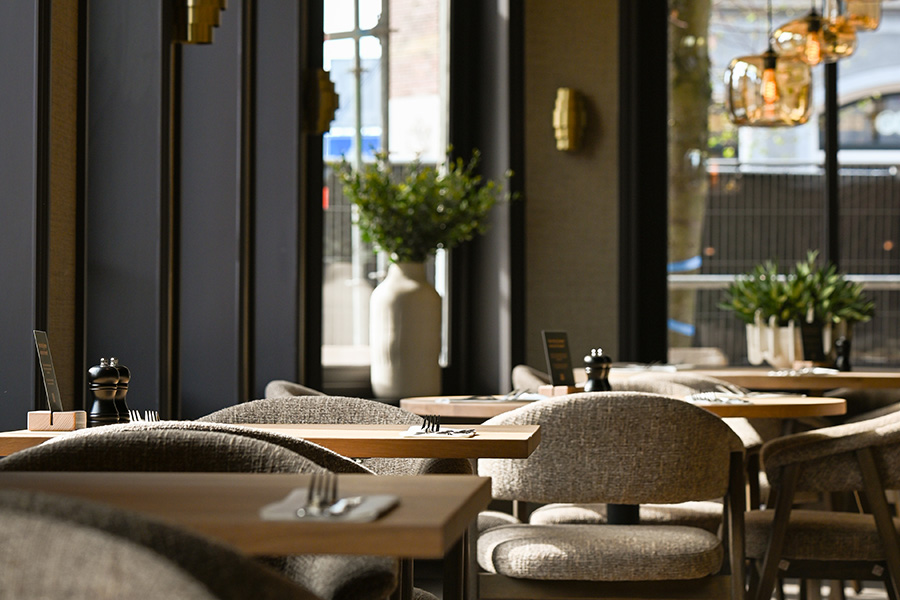
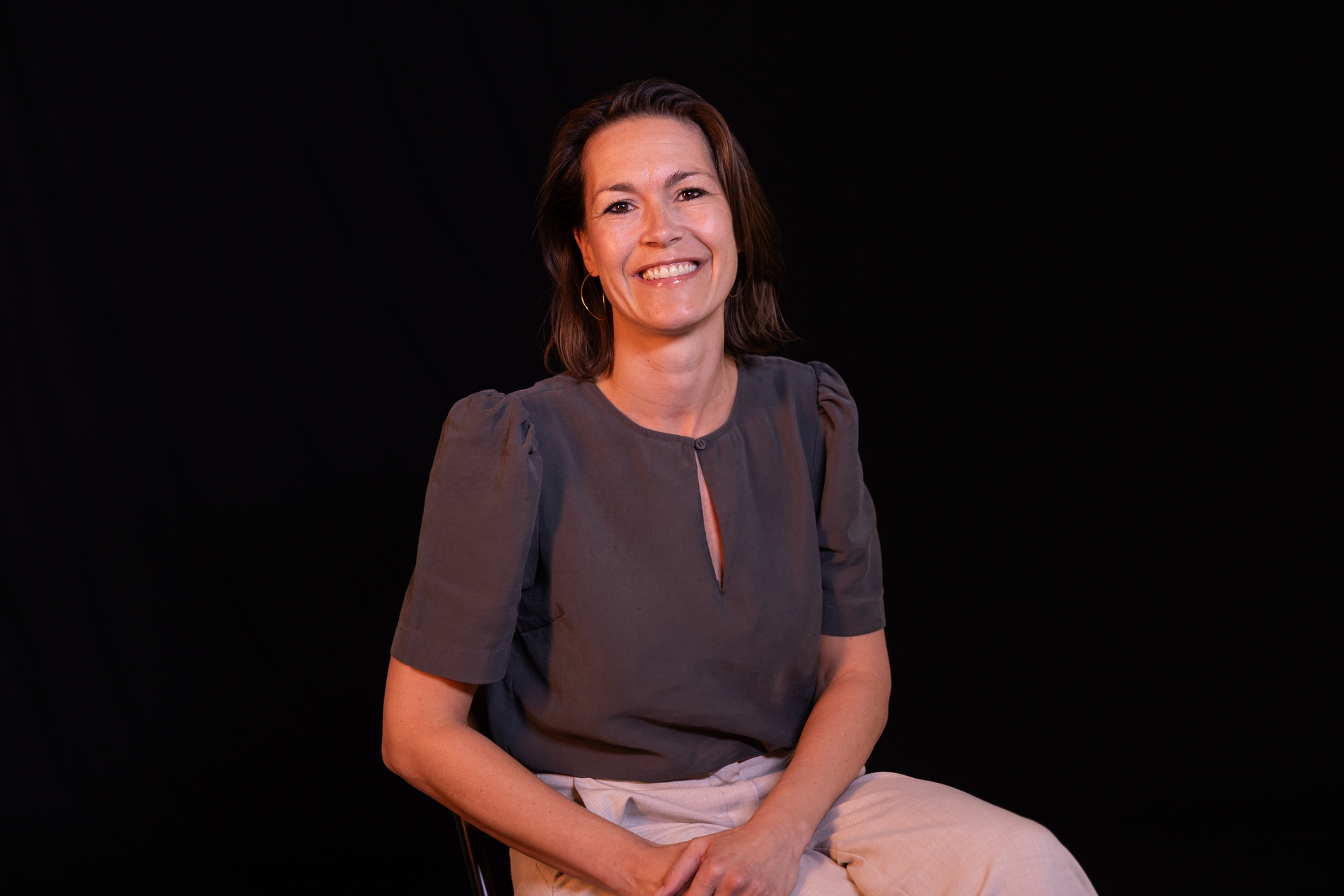
Kamstra-Broersma worked as a nurse for many years, until she decided, two years ago, to open her first catering business together with her husband. He is an accountant, so they complement each other perfectly. As a result, the empathetic hostess has an immediate grasp of the figures and can therefore make adjustments straight away to staff costs or purchasing. The couple got to know each other whilst working at the local pub.
Whilst still a student, Kamstra-Broersma was already working in the hospitality industry. Her first job at the five-star Landgoed Lauswolt hotel in Beetsterzwaag has provided her with valuable lessons that she still draws on today. During breakfast shifts, she learnt that the profession is all about the details: etiquette, service and, of course, genuine hospitality. What extra steps can you take to ensure guests feel truly welcome and are keen to return? The basics, of course, are a clean establishment and good food and drink. You make the difference by remembering guests’ drinks and preferences, thereby making them feel that they are being noticed.
For six years, Kamstra-Broersma travelled the world, continuing to work in the hospitality industry throughout. In Australia, she learnt all about the local wines. It even went so far that she went to pick grapes herself during the harvest month. That way, she experienced the winemaking process at first hand. During that time, her love of coffee also grew. She completed a barista training course. In America, she worked as a nurse at a summer camp for children with disabilities and, at weekends, in a local coffee shop. Later, in Canada, she worked in a skybox during ice hockey matches, where guests would dine before the game. There, she was able to put her knowledge of more exclusive wines and the relevant etiquette to good use. Here, too, the aim was to exceed the guests’ expectations. After the match, the atmosphere changes, which requires the ability to adapt.
In Canada and the US, you’re paid a standard basic wage. Tips are an important supplement to this. “It really feels like direct recognition of your work and is therefore motivating. There, tips could sometimes amount to nearly $100 per table. You really do try harder. You notice that if you have a good evening, the tip is generous. It provides immediate recognition for your work. If you’re not feeling your best one day, the team picks up the slack.”
She is now bringing all her knowledge and experience to bear in her own business. Some skills, such as frothing milk, are never forgotten. After a bit of practice, she picks it up again in no time. She considers learning and development to be very important. “From 20 tables in a fine-dining setting to 100 covers at the Grand Café in Gorredijk. That calls for a different way of working. I’m teaching my team to focus even more on welcoming guests, because that’s the first sign of genuine attention and makes you feel truly welcome as a guest.”.
 Nederlands Nederlands
  English (UK)