hotelvak.eu
EN

Platform on hotelmanagement, interiordesign and design in the Netherlands
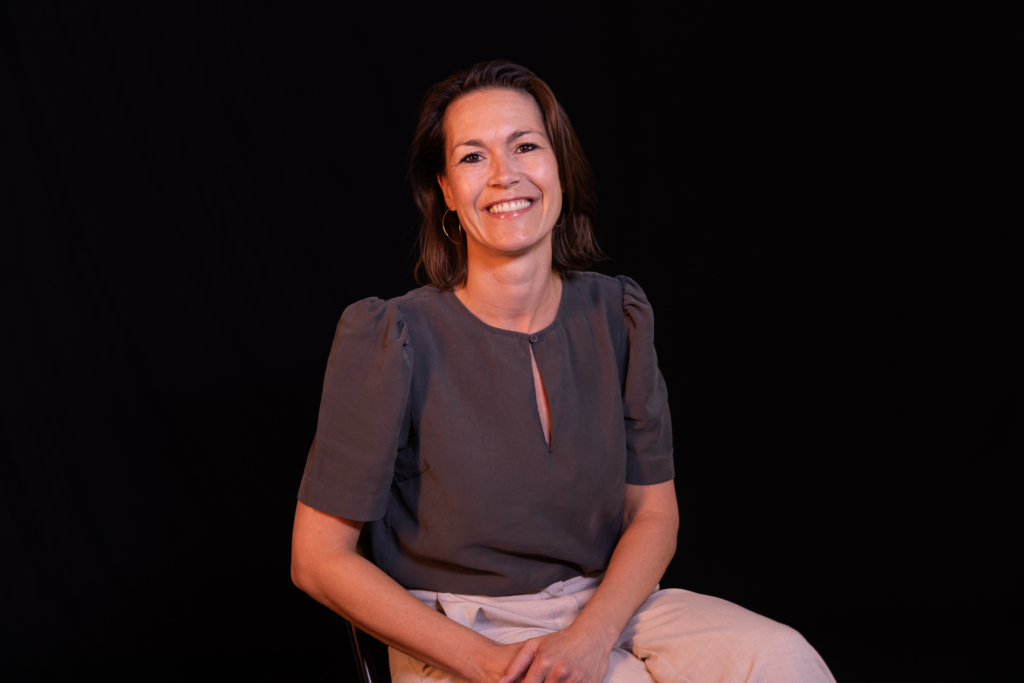
Hotel Mooirivier in Dalfsen was named Best Independent Hotel 2026 this spring. The award recognises not a single spectacular innovation, but a way of working: personalised, independent and without rigid, pre-determined scripts.
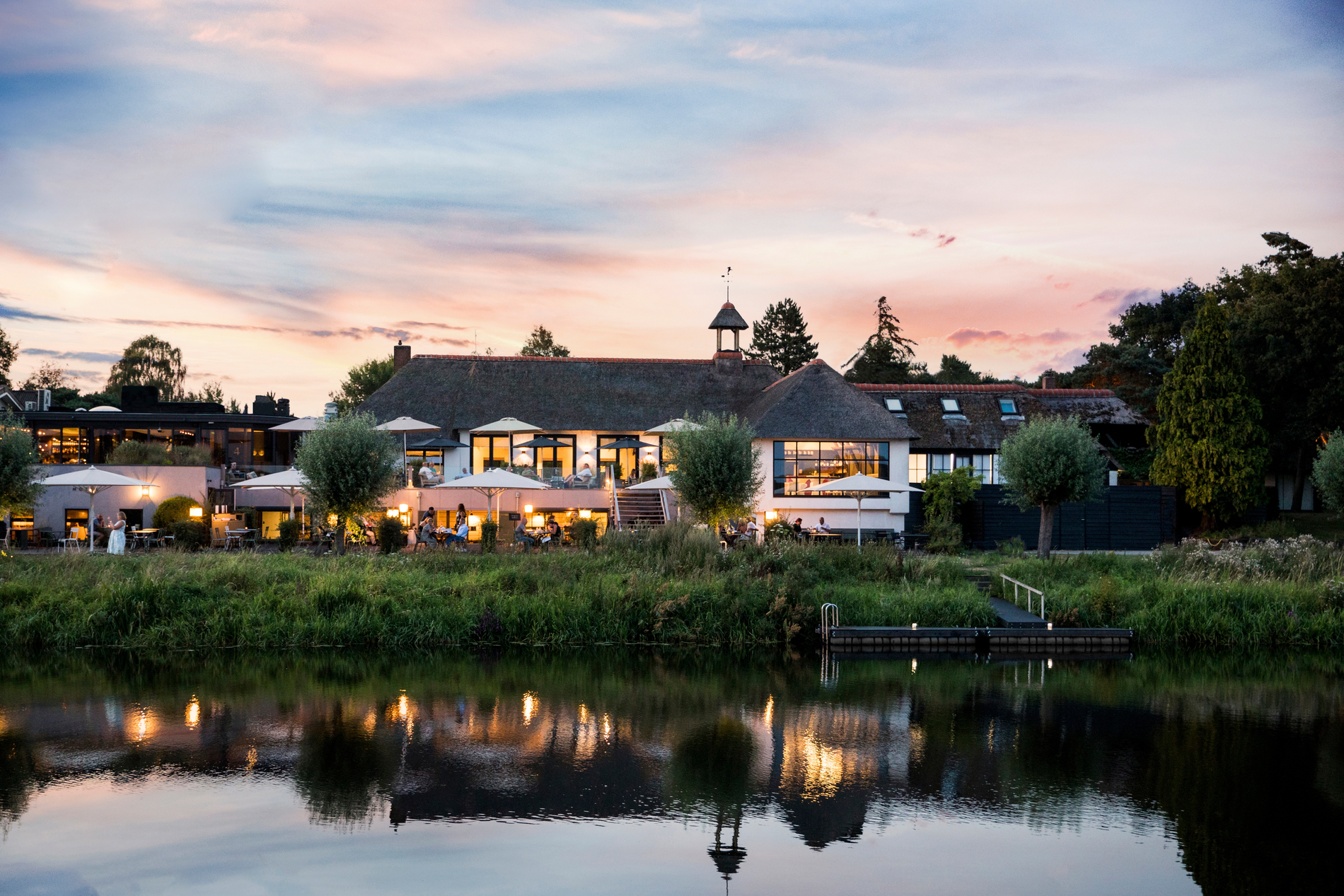
Anyone driving from Dalfsen towards the Vecht in Overijssel will notice how quickly the world becomes quieter. The thatched, farmhouse-style building of Hotel Mooirivier stands atop an old river dune. At the rear, the Vecht flows past the terrace. Across the river, the greenery of the Vecht Valley begins.
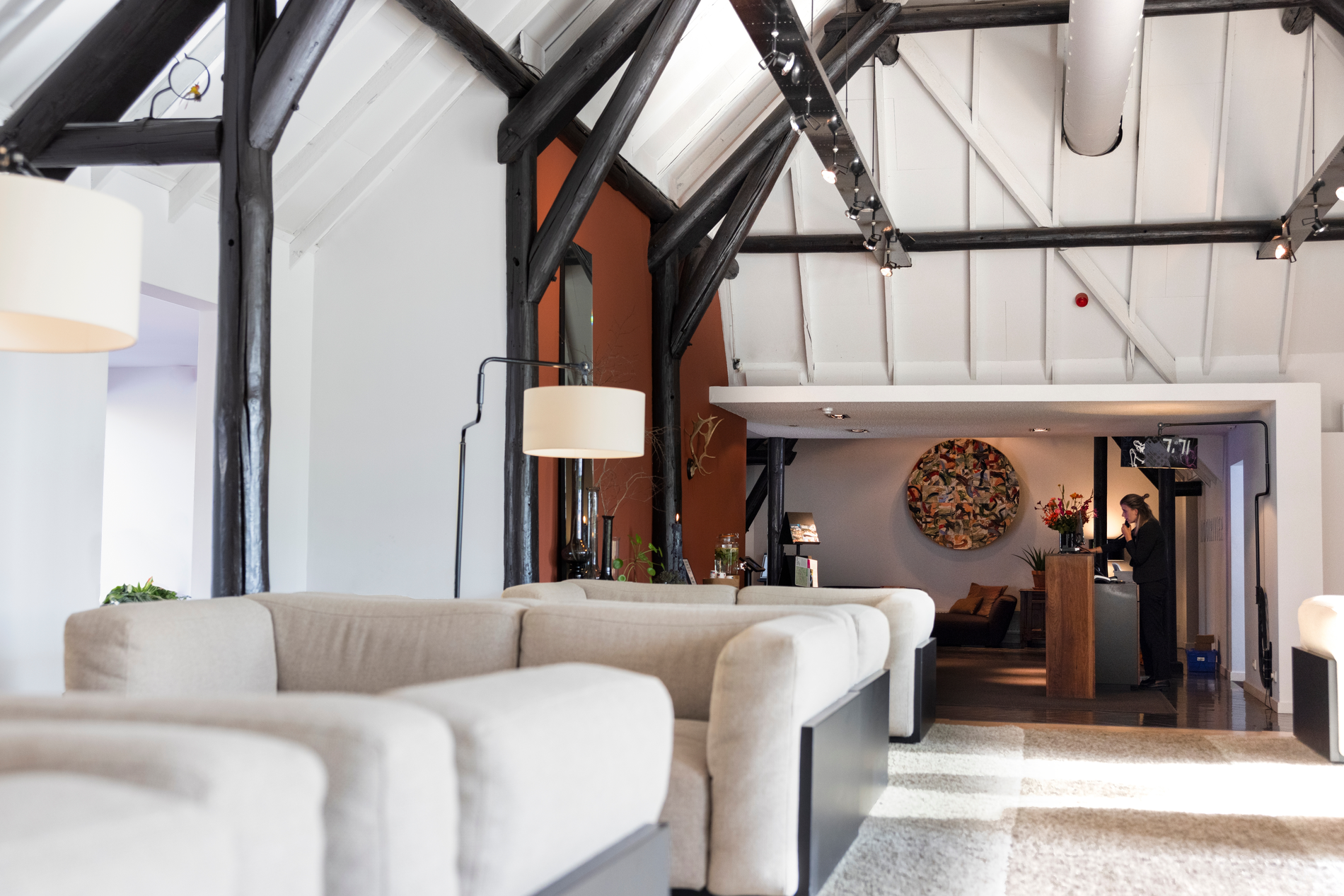
Inside, there is no uniform chain-style aesthetic, but rather a collection of spaces, each with its own atmosphere. Vintage furniture sits alongside design classics; wood and natural materials lend the lobby a homely feel. Guests checking in here do not receive a room key from a machine. Their first point of contact is with a member of staff. It is precisely this that sets Mooirivier apart.
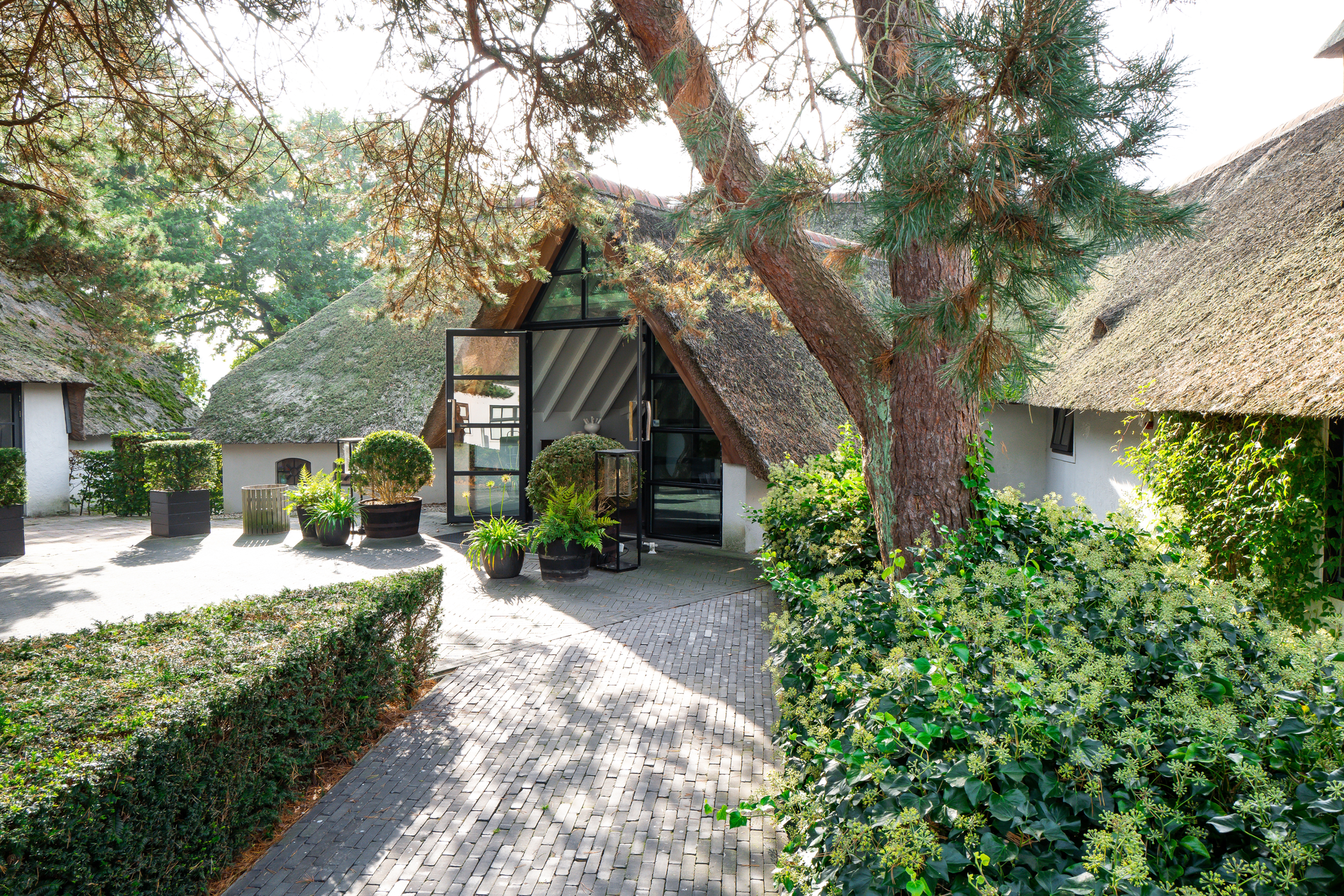
In April, the hotel was named ‘Best Independent Hotel 2026’ at the Independent Hotel Show Amsterdam. A panel of industry experts drew up the shortlist, after which the public chose the winner. The jury praised Mooirivier as a hotel shaped by people, not by a formula. According to the jury’s comments, the service feels natural, personal and unscripted.
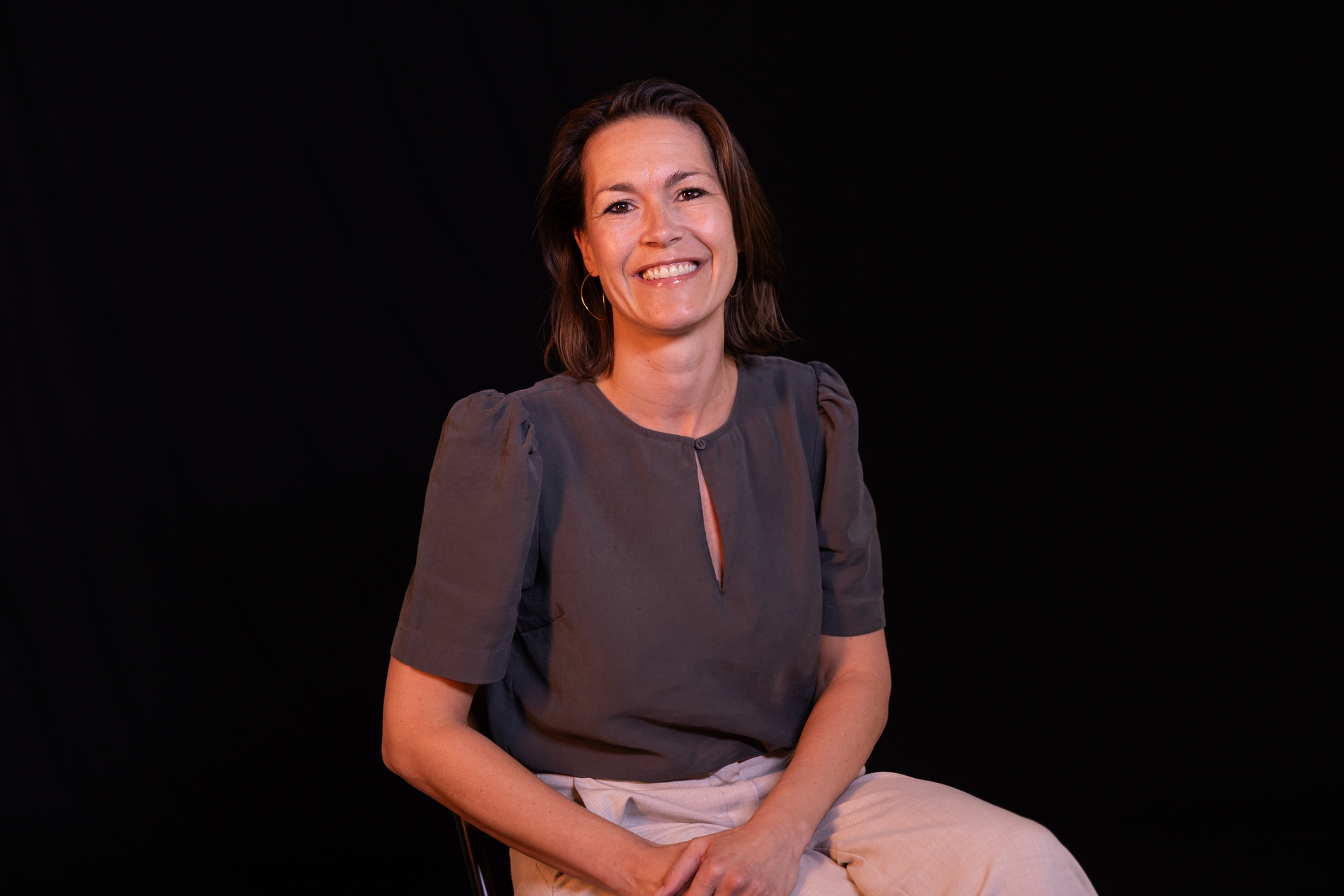
For Hotel Manager Gerdi Snoeijer, the prize came as a surprise. “I thought an award like this would be more likely to go to a new hotel, or to one that had recently undergone a major development. Even after the nomination, I didn’t expect us to win. That made the recognition all the more special.”
Last year, Hotel Mooirivier was awarded a Michelin Key, an international accolade for exceptional hotels. When it was voted Best Independent Hotel 2026, Snoeijer particularly valued the detailed jury report. “It allowed us to show the team why we’d been chosen and what part everyone had played in that. That way, an award like this really feels like something we’ve all achieved together.”
Snoeijer started here in 2007 as an events coordinator, shortly after completing her studies at Saxion’s hotel management school in Apeldoorn. When her manager left, she took over his role. She has now been working for the same employer for almost nineteen years.
The fact that she stayed for so long has a lot to do with the independent nature of the family business, which was launched in 2008 as Mooirivier. “The lines of communication are short and roles are less rigidly defined. Of course, everyone has their own area of expertise, but if you have an idea about something, you can actually do something with it. You don’t have to wait for head office to decide whether it’s allowed.”
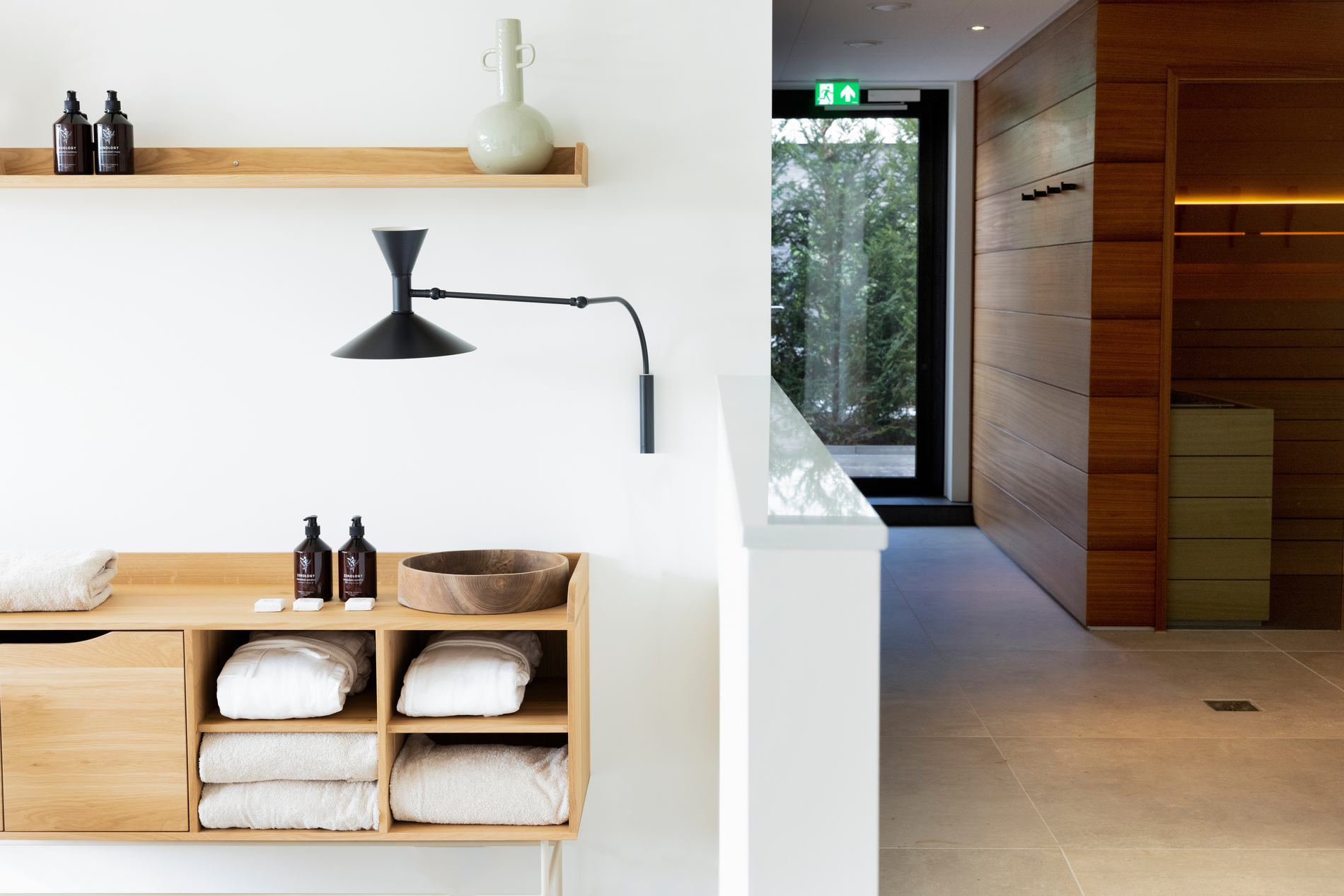
Meanwhile, the hotel is constantly evolving. Every few years, a refurbishment or renovation takes place, tailored to changes in the market. For example, two meeting rooms were converted into a wellness centre. This was a deliberate choice to cater for the growing leisure market, which was also intended to make the hotel more attractive during the winter months.
Hotel guests can enjoy a Finnish sauna, a steam room and an infrared sauna. They can cool off outside, with a view of the river. “The wellness facilities round off our offering,” says Snoeijer. “Guests actually already expected a hotel like this to have such facilities.”
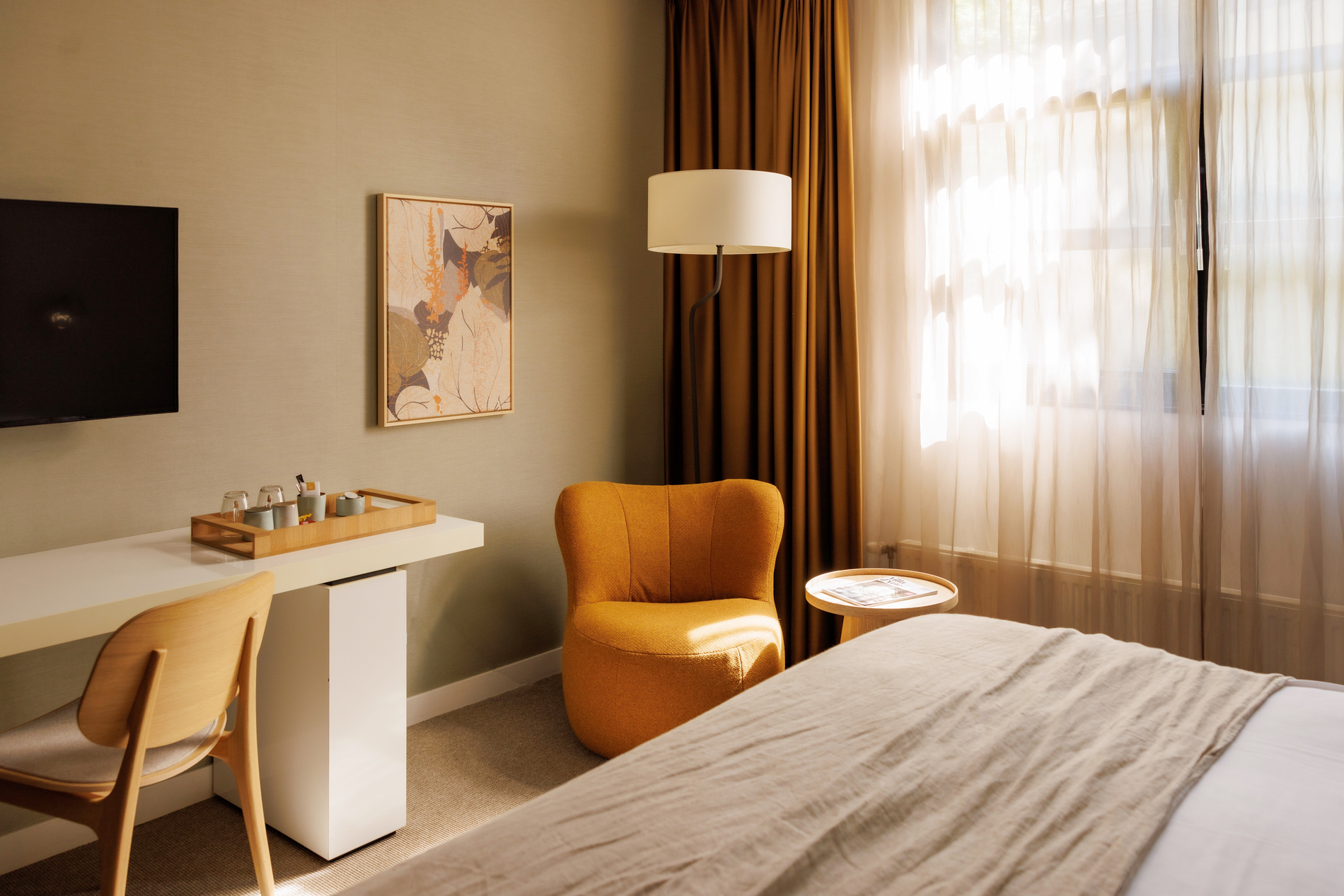
Mooirivier has eighty rooms and seven meeting rooms, and boasts over six hectares of its own grounds. During the week, it hosts multi-day corporate meetings and training courses; at the weekend, leisure guests come for the peace and quiet, the surroundings and Zwolle. According to Snoeijer, the ideal ratio is roughly fifty-fifty.
“Business really is in our DNA. We have a specialist events team that takes the pressure off clients right from the planning stage. A multi-day event isn’t just about the meeting room and hotel rooms; it’s also about the catering and activities that suit the group.”
The location is part of the product. Whether it’s holding meetings outdoors, walking along the River Vecht or canoeing: the surroundings play an active part. At the same time, leisure guests mustn’t feel as though they’ve ended up in a conference centre. This is achieved by ensuring that both types of guest receive the attention they deserve.
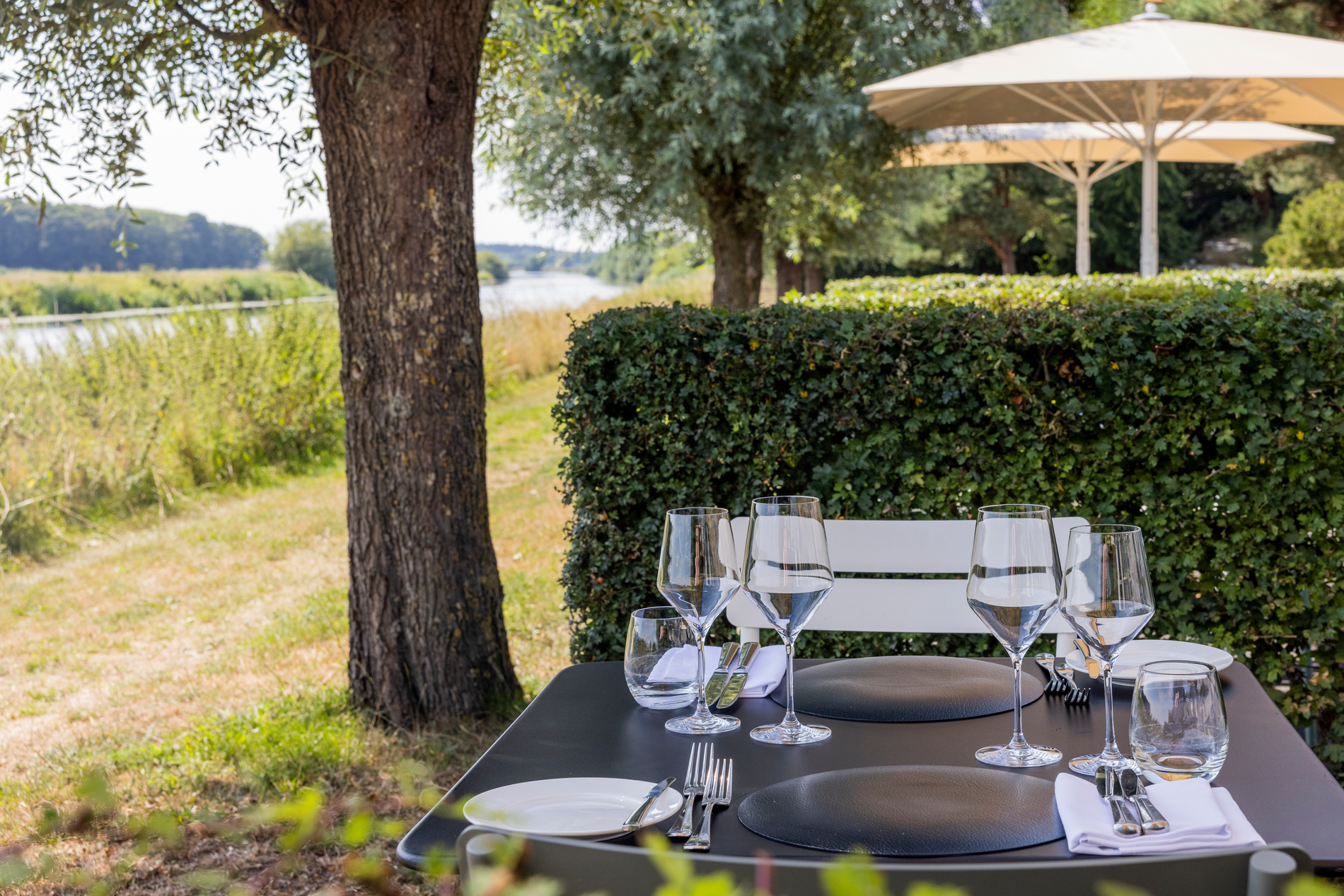
Anyone staying here will quickly understand why the river features so prominently in the name. From the rooms at the rear, you look out over the water and the nature reserve. On the terrace, the sounds of the hotel fade into the background. Guests can read a book there, cycle towards Zwolle or walk to the Vilsteren estate.
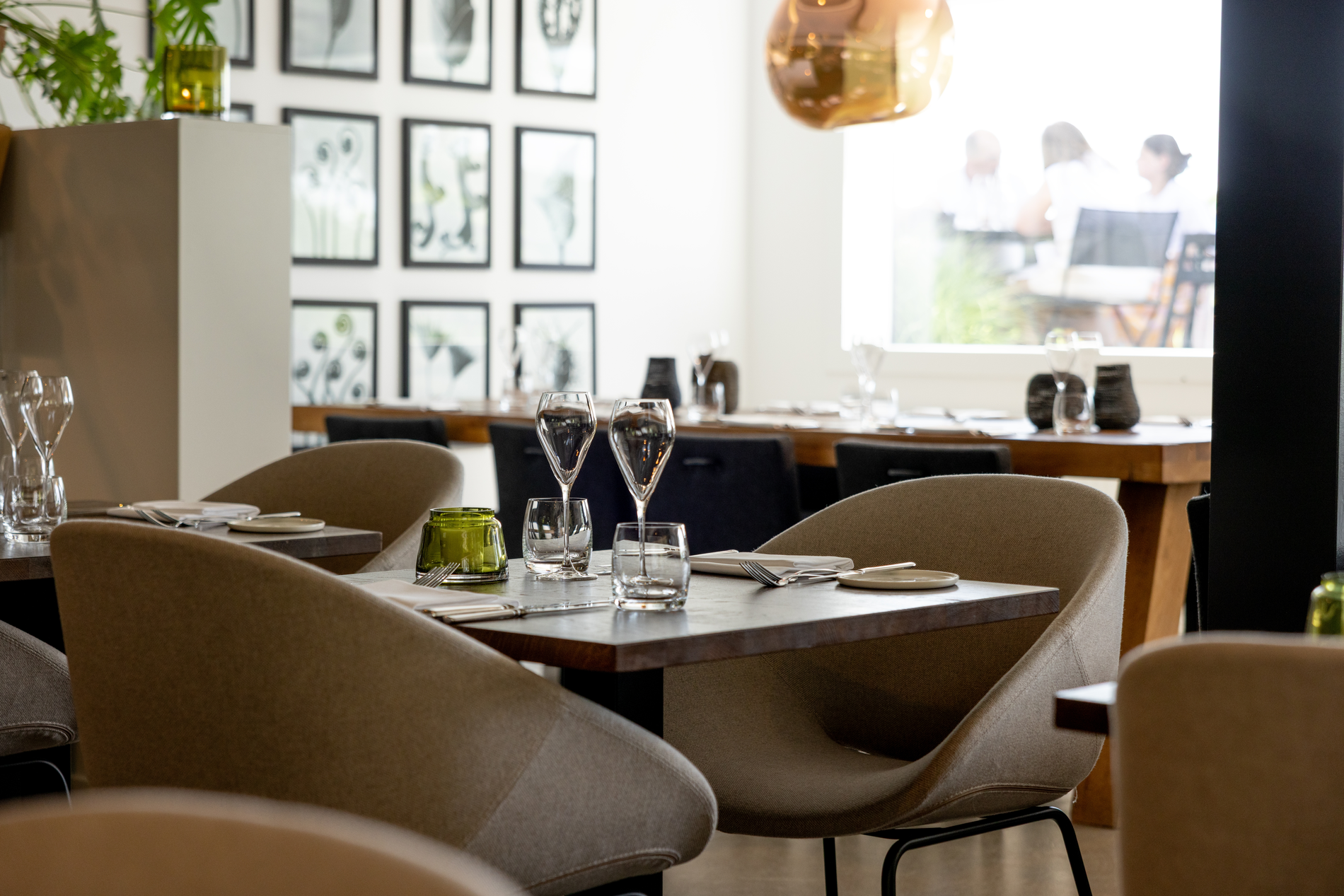
The Aan de Oever restaurant is an integral part of the hotel. Breakfast, lunch and dinner are prepared in the hotel’s own kitchen.
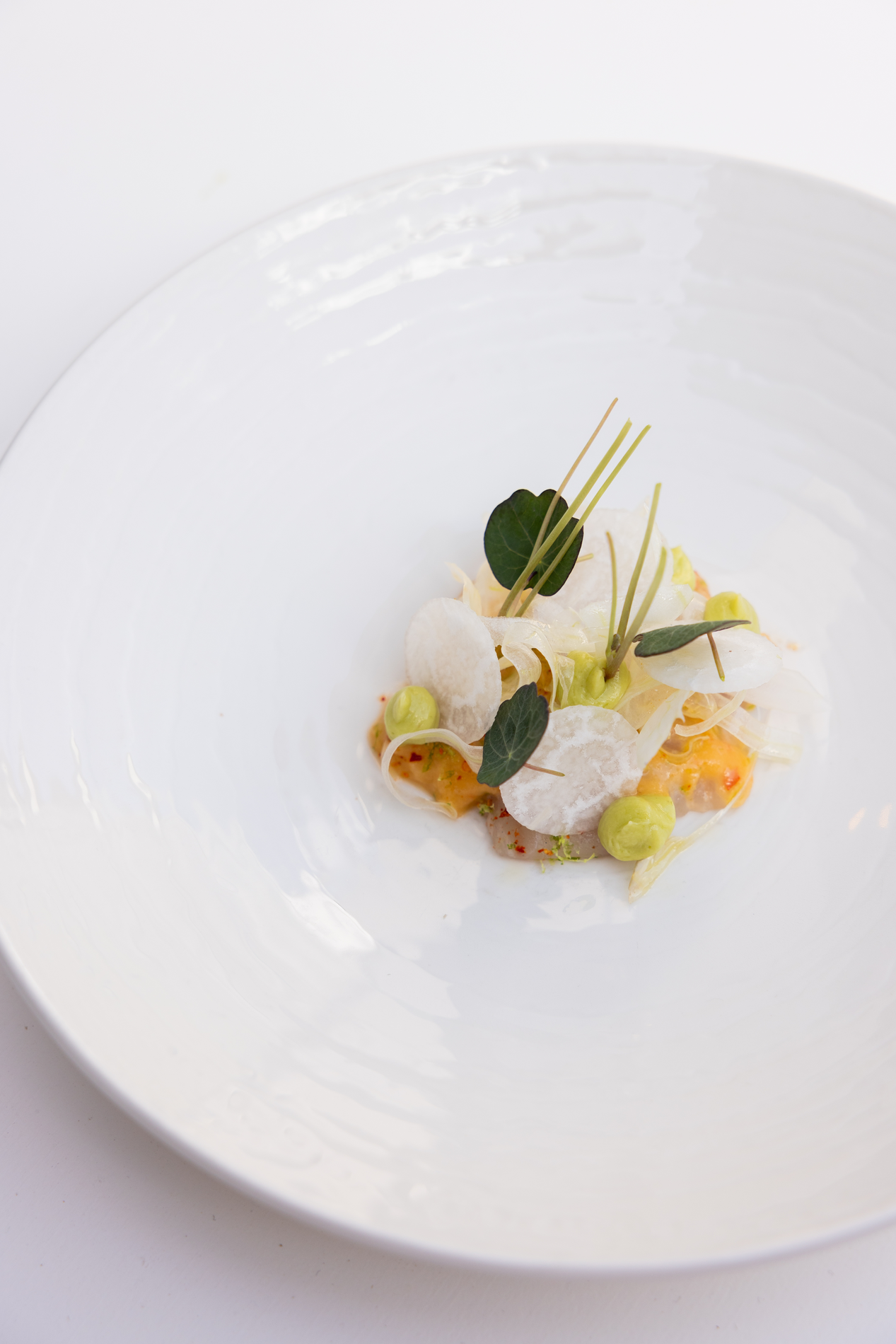
Head chef Arjen Bonder and his team cook with a slight French influence and Dutch roots. Wherever possible, ingredients are sourced locally: dairy and meat from a farm upstream, fruit from nearby, and herbs and flowers from their own garden.
Snoeijer also wants to ensure that guests don’t find themselves faced with a generic buffet at breakfast. “That’s precisely where you can show where you are. By serving eggs, cheese, cold meats and other produce from the Vechtdal, you give a stay a distinctive character.”
Around three-quarters of leisure bookings are made directly with the hotel. “Those guests aren’t just coming for a bed. They want to sit on the terrace, read by the water, and have their meals and breakfast here. When guests experience the whole package, they’re more likely to come back and tell others about it.”
This independence is particularly evident when something unexpected happens. Snoeijer tells the story of a guest who fell elsewhere and broke her ankle. On her return, a member of staff did not need to ask for permission first to give her extra attention.
“A colleague approaches the guest, has a chat and takes action. Sometimes, someone sends a bouquet of flowers later of their own accord. Staff feel they have the freedom to resolve a situation in a way that feels right for both themselves and the guest.”
A stable core of staff helps to uphold that culture. In addition, students from institutions such as Stenden Hotel School undertake long-term work placements here every year. “Once they’ve completed their induction period, they really become part of the team. They bring new ideas with them and are often very keen to share them.”
Technology has its place, but preferably behind the scenes. For the time being, Mooirivier does not have a mobile check-in or chatbot for the initial guest contact. “AI can add a lot, but personal contact is an essential part of our service. Personally, when using a chatbot, I often find myself thinking: ”That wasn’t my question – please put me through to a human.’”
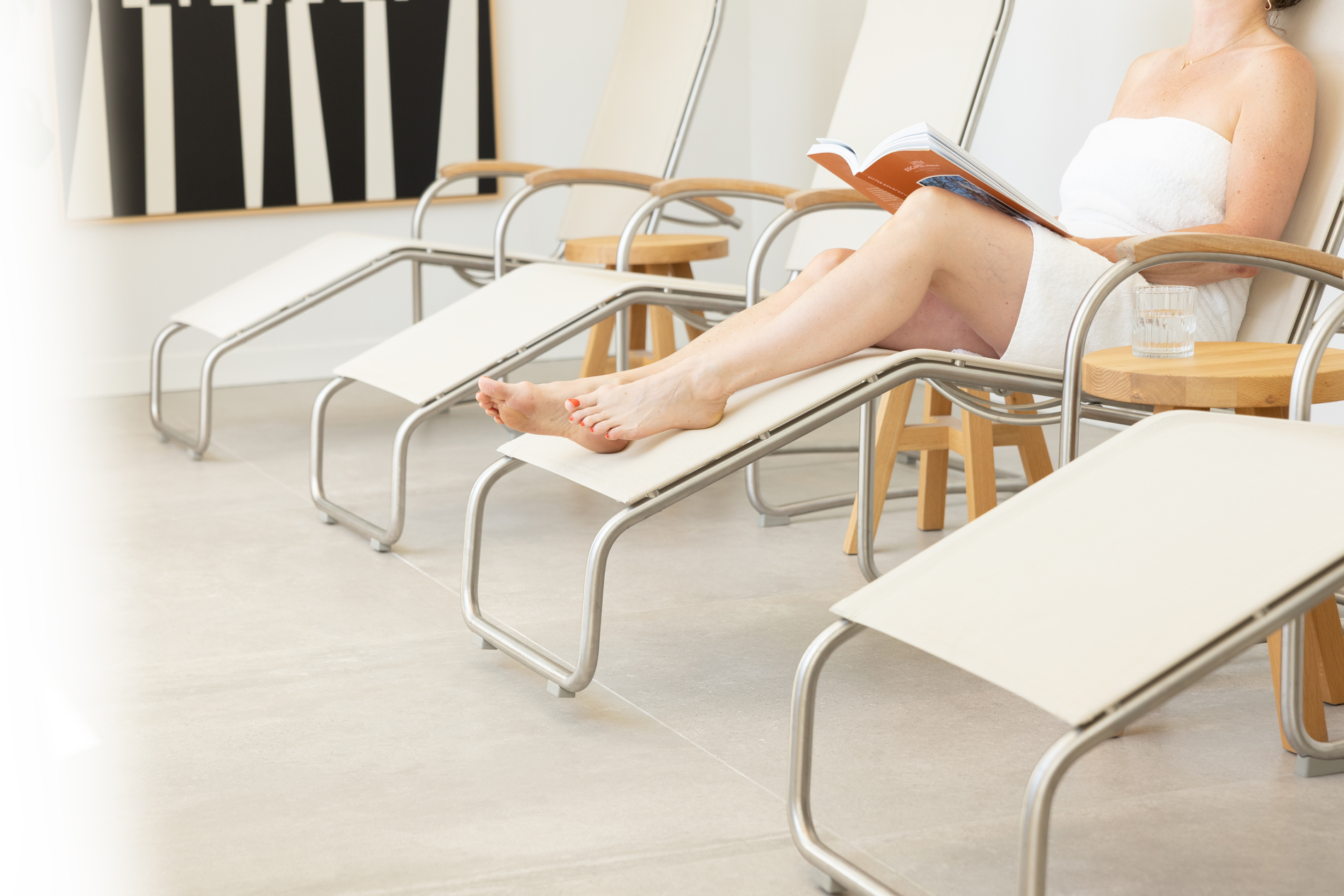
Snoeijer has observed that hotel guests“ expectations have risen sharply over the past twenty years. People are used to comfort at home. A hotel must therefore offer more than just a good bed and a neat bathroom. ”Guests want to be at least as comfortable here as they are at home – but actually even more so. They expect quality, attention and genuine hospitality.”
Mooirivier does not, therefore, derive its strength from a single spectacular discovery. It lies in the sum of its parts: the river outside the window, a kitchen that brings the surroundings indoors, a member of staff who dares to make their own decisions, and an organisation that is large enough to operate professionally, yet remains small enough not to have to follow a script.
The award confirms that this quiet consistency is being recognised. Snoeijer puts it into perspective with a down-to-earth attitude. “We celebrated it together. You have to do that, because it is special. But the next day, we just got back to work as usual.”
 Nederlands Nederlands
  English (UK)