hotelvak.eu
EN

Platform on hotelmanagement, interiordesign and design in the Netherlands

Staff shortages in the hospitality industry are often attributed to a tight labour market. There are simply too few people available, vacancies remain unfilled for longer, and competing sectors are attracting the same staff. That is true, but it is only part of the problem. Because even when a hotel manages to find new staff, there is still no long-term solution if those same people leave again after a few months or a few years.
According to René J.M. Schillings of TOP Hoteliers – Hospitality Executive Search, this starts with a different approach to recruitment. Schillings has been working in executive search within the international hotel industry for over twenty years and has observed the same patterns recurring in various countries. The labour market varies from region to region, but the fundamental question remains the same: who is actually the right person for a specific role, organisation and environment?
In many selection processes, the recruitment process still begins with the CV. Education, work experience, job titles and employers are compared against the job profile. Those who tick enough boxes go through to the next round.
Schillings takes a distinctly different view on this. Of course, a candidate must be capable of handling the job in terms of its content, but for experienced hotel professionals, technical qualifications are often not the main issue. According to him, what is far more important is whether someone is actually a good fit for the environment they will be working in. “Ultimately, it’s really about the person behind that CV,” says Schillings.
This means that recruiters and managers need to look beyond demonstrable experience. Can someone adapt to a different corporate culture? Does the working environment suit the candidate’s personality? Is someone used to the dynamics of a city hotel or, conversely, a resort? And what happens if a role requires a move?
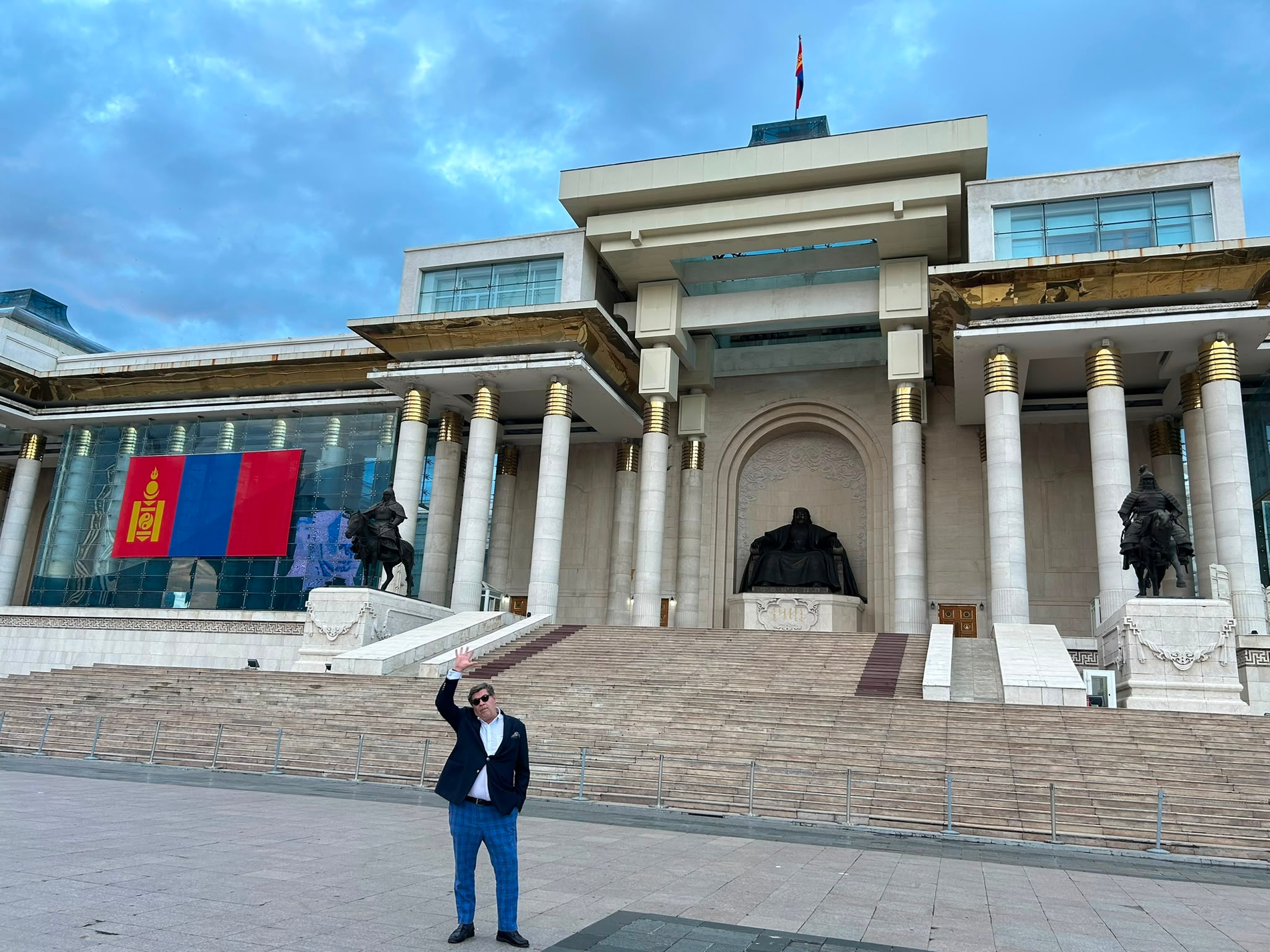
This is particularly true for international management roles. Schillings points out that his organisation in China almost never selects candidates who are going to work in that country for the first time. Not because a newcomer would be unable to handle the role from a technical point of view, but because knowledge of the local culture, economy and way of working is a key component of successful leadership.
That idea applies to the Netherlands as well. The question is not simply whether someone can be a general manager, head chef or head of department. The relevant question is whether that person can be successful in this particular role.
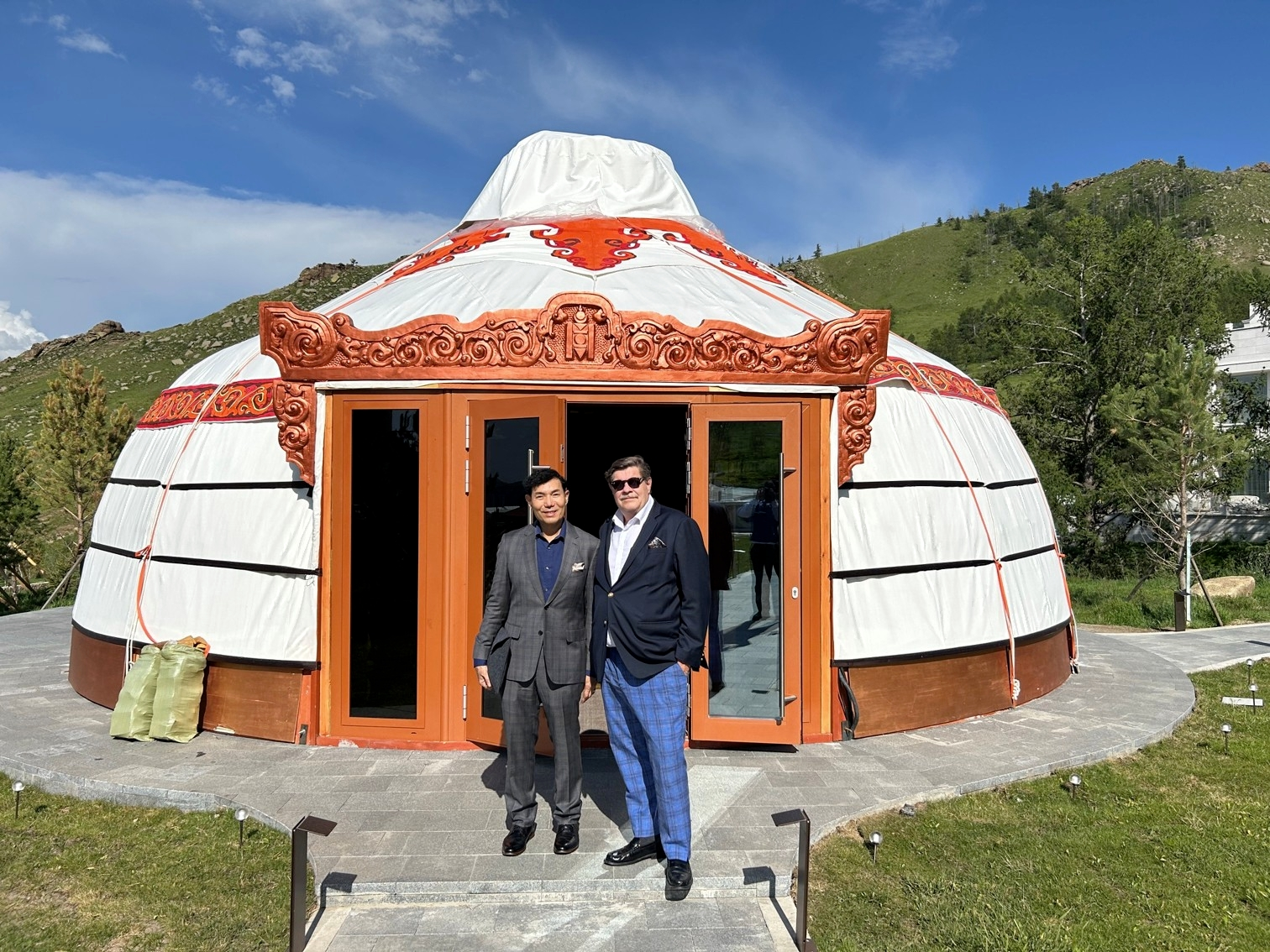
This makes recruitment more complicated, but at the same time more realistic. A candidate may look perfect on paper and yet turn out not to be a long-term fit. Personal circumstances, for example, play a greater role in this than traditional selection processes sometimes recognise. A partner who is unwilling to relocate, children, caring responsibilities, travelling time or simply a strong preference for a particular living environment can ultimately determine whether someone stays.
Schillings makes this point explicitly. Sometimes he advises a client not to choose the candidate with the most impressive CV, because he can already foresee that personal circumstances may cause problems within six or nine months. In such cases, a candidate with a slightly less impressive profile may ultimately prove to be the far better choice.
For hoteliers, this provides a practical selection criterion: don’t just ask, ‘Can this candidate do the job?’, but also, ‘How likely is it that this candidate will still be working here successfully and with motivation in two or three years’ time?’
That is a fundamentally different approach to recruitment. It shifts the focus from filling a vacancy as quickly as possible to the long-term success of the placement.
Schillings is critical of the way in which recruitment processes are organised within large organisations. In his view, there is a risk that HR departments rely too heavily on fixed structures, job profiles and internal frameworks. He refers to this as thinking in “boxes” and silos.
Structure is, of course, essential. Contracts, terms of employment and selection criteria cannot be applied entirely at random. However, when that structure becomes the primary filter, candidates who are actually interesting in substance may be ruled out.
Schillings therefore advocates a different approach for key roles. Let an entrepreneur, director or line manager assess the candidates themselves first. Who would you like to speak to in depth? Which candidate brings something the company needs? HR can then guide the rest of the selection process.
“Take a look at the CVs yourself first,” is his advice to business owners and managers when it comes to roles that are essential to the organisation.
There is an important point behind this. A vacancy for a key position is not an administrative HR issue, but a business decision. The person who is hired can have a major impact on culture, the guest experience, performance and staff turnover. It therefore makes sense for those with operational responsibility to be involved early on in the process.
Even the best recruitment process will not solve the staffing problem if employees subsequently become disillusioned with their employer.
According to Schillings, virtually everyone who chooses a career in hospitality starts out with a certain passion for the profession. People make a conscious choice to enrol in a hotel school, or to work in a restaurant, a kitchen, the front office or a management role. The main question is how long that passion lasts. In his view, the responsibility for this lies more with managers than with HR alone.
Hotels and training programmes have become adept at marketing the hospitality sector. Working in hotels is presented as dynamic, international and full of opportunities. On social media, potential employees see attractive working environments, enthusiastic teams and inspiring career stories. But when the reality falls short of these promises, that marketing ultimately backfires on the employer. “A lot is promised, but it isn’t delivered,” says Schillings.
That sounds simple, but it touches on a fundamental aspect of staff retention. When career progression, training, responsibility or flexibility are discussed during a job interview, those statements become part of the employee’s expectations. If nothing comes of them later on, it leads not only to disappointment but also to a loss of trust.

According to Schillings, social media has further exacerbated this tension. Hotels present themselves online as attractive employers. That is understandable. In a tight labour market, a company needs to demonstrate why someone should choose to work there. But employer branding loses its credibility when the experience of job applicants and staff does not match the online image.
Schillings gives a simple example: a hotel posts enthusiastic messages saying ‘come and work for us’, but a candidate who then applies receives only an automated reply and hears nothing more afterwards.
For a hospitality business, this is particularly ironic. An organisation that sells hospitality to guests finds it difficult to behave impersonally towards job applicants. As a result, the recruitment process itself becomes part of the brand experience. Every applicant experiences how an organisation communicates, how quickly it responds and how much personal attention is given. Even candidates who are ultimately not hired form an impression of the company based on this.
Employer branding is therefore not what a hotel says about itself. It is what a candidate actually experiences.
Retaining talent also means recognising that employees have other options. According to Schillings, the coronavirus pandemic has made this even more apparent. Employees were forced to leave the hospitality industry, found work in other sectors and sometimes discovered that they could earn more there, didn’t have to work as hard or had more favourable working hours.
Anyone who wants to win those people back cannot simply expect old working relationships to return of their own accord. Schillings says that employers need to “make some concessions”.
That does not necessarily mean that every employee’s request will be granted. Hospitality remains a sector in which evenings, weekends and flexibility play a part. However, employers do need to understand what other options they are competing with.
When an employee can do similar work elsewhere on better terms or with greater predictability, a hotel must have a convincing answer to the question of why someone would choose a career in hospitality. That answer could be salary, but it could also be career development, responsibility, team culture, training opportunities, international career prospects or flexibility.
A tight labour market also calls for a critical examination of groups that may be unnecessarily excluded from existing processes.
Schillings singles out the over-50s in particular. In his view, older employees often possess qualities that are particularly valuable in the hospitality sector: professional expertise, life experience, reliability and the ability to deal with different types of guests. Nevertheless, he observes that older applicants sometimes do not even make it through the initial selection stage. Particularly when digital systems or rigid job profiles are used, valuable experience can be overlooked early on in the process.
That is difficult to justify in a tight labour market. Anyone who complains that talent is in short supply, yet at the same time rules out large groups of candidates from the outset, is only making their own problem worse.
The same applies to international experience. Schillings encourages Dutch hotel professionals to gain experience outside their own region or national borders. In his view, anyone who is familiar with only one organisation, city or country is more likely to assume that their own way of working is, by definition, the right one. International experience enhances one’s ability to understand different perspectives and corporate cultures.
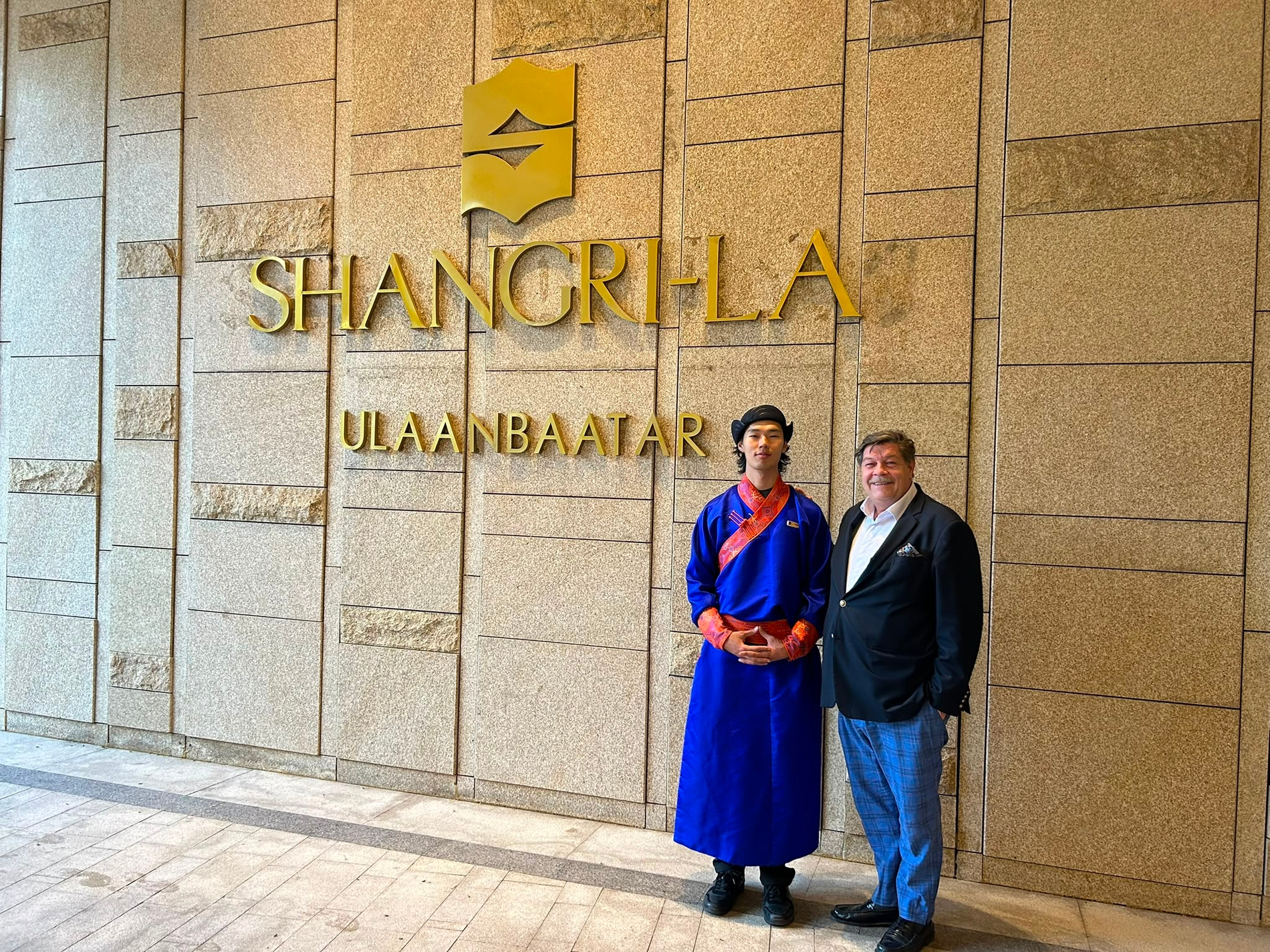
This leads to a broader conclusion. The staff shortage in the hotel industry is not solely a recruitment problem. Of course, it remains essential to publicise vacancies, train new staff and find suitable candidates. But a structured talent management policy begins much earlier and ends much later.
It starts with the question of what sort of person actually suits the organisation. The selection process must then allow for that person to be identified. After that, expectations must be set out realistically. And once someone has joined the organisation, it is the responsibility of managers not only to promise development, trust and prospects, but also to make them a reality.
For hoteliers, therefore, five questions are more relevant than simply the number of vacancies: Who are we unconsciously excluding from our selection process? Are we paying enough attention to the person behind the CV? Does our employer branding reflect the day-to-day reality? Do managers deliver on the promises made during the recruitment process? And why would a good employee still want to work for us in three years’ time?
Anyone who cannot provide a convincing answer to that question probably has more than just a labour market problem. Because finding talent is difficult. Retaining talent requires something else: building an organisation in which good people actually have a reason to stay.
Listen to the podcast episode featuring René J.M. Schillings on Hotelvak, the go-to podcast.
 Nederlands Nederlands
  English (UK)