hotelvak.eu
EN

Platform on hotelmanagement, interiordesign and design in the Netherlands
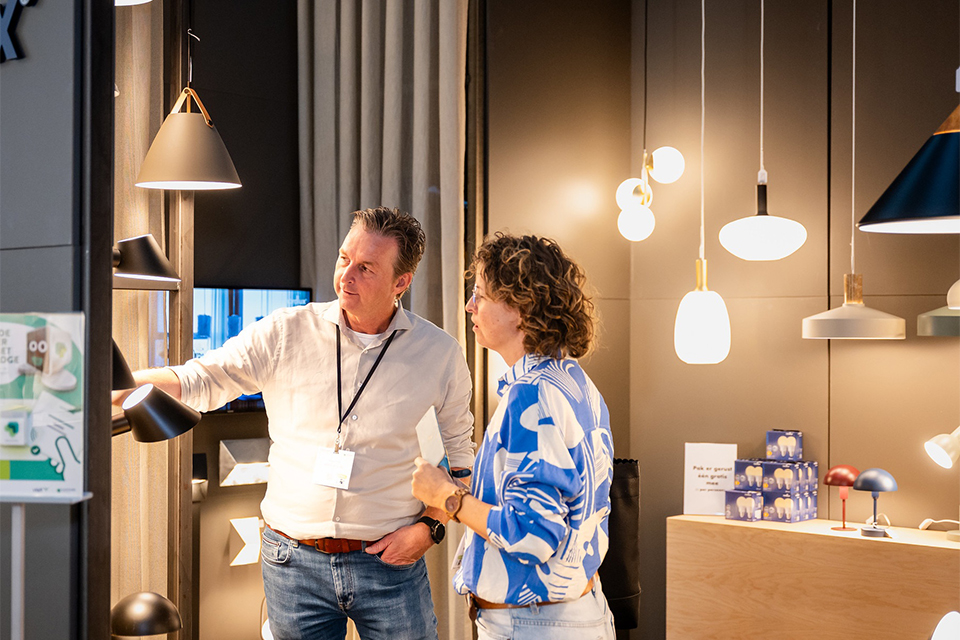
Discover how light is the secret weapon that brings your interior to life and transforms any space! Find out why smart lighting isn’t just functional, but can also enhance the atmosphere and experience in a room.
Imagine a beautifully decorated interior; yet without the right lighting, it still feels flat and lifeless. Lighting is often seen as a practical addition, but in reality it is a powerful design element that determines the atmosphere, depth and experience of a space.
Light can transform a space without being physically present. Think of wall lighting that brings a rough concrete wall to life, or indirect light that makes a ceiling appear higher. By adopting a layered lighting approach — combining general, task, accent and mood lighting — you ensure that an interior looks just right throughout the day. For example, a combination of dimmable recessed spotlights, pendant lights above the dining table or directional spotlights, small spotlights on a focal point and wall washers, and of course floor and table lamps, preferably with a warm colour temperature to create a cosy atmosphere.
Materials react differently to light. A matt wall absorbs it, whilst a glossy surface reflects it. Warm wood tones are shown to their best advantage at a lower colour temperature, whilst natural stone, on the other hand, benefits from accurate colour rendering. That is why it is crucial to consider lighting and the choice of materials together. For example, a carefully chosen light source can enhance the texture of a fabric sofa or subtly reveal the nuances of a wall.
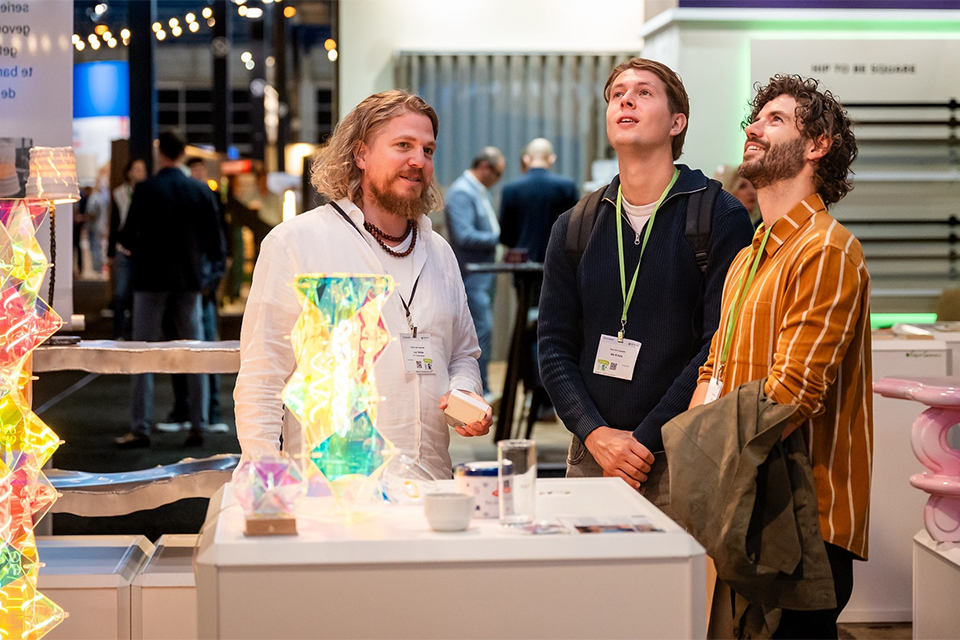
Modern interiors are increasingly integrating lighting into the design itself. Light lines become part of ceilings, light fittings disappear from view and indirect light creates a soft, imperceptible glow. This calls for early collaboration between designers and lighting specialists. Those who only add lighting at the very end miss out on opportunities to truly enhance the interior. For example, determine the ideal positions of light fittings, switches and sockets as early as the initial sketch design stage. Determine the final positions of spotlights and pendant lights and select dimming systems during the structural work and installation phases. During the finishing stage, it is advisable to then choose the light fittings and light sources.
The right light intensity and colour temperature set the mood: warm light encourages relaxation, whilst more neutral light is suitable for workspaces. But it’s also about contrast and dynamism. A space where everything is lit with the same intensity lacks character. By skilfully varying light intensities, you can create tension and depth. For example, keep the general lighting between 30% and 60%, task lighting at 70 to 100% during activities, and accent lighting at 40 to 70% to create a soft focus on the highlighted item.
In short, lighting is not an afterthought, but an essential part of any interior design. It influences how we perceive materials, how spaces feel and how comfortable they are. For anyone who wants an interior that not only looks beautiful but also feels right in terms of experience and functionality, integrating lighting from the outset is essential.
Are you working on a new project or a renovation? If so, consider incorporating lighting into the design at an early stage. This will help you create a well-thought-out design and lighting plan that ensure cohesion and atmosphere.
Sources: Light as part of interior design & De Lichtschool.
Neem dan rechtstreeks contact op met InCoDa.
 Contact opnemen
 Nederlands Nederlands
  English (UK)